
Best Bathtub for Your Bathroom: Materials, Brands and Buying Guide
UK bathtub buying guide comparing acrylic, steel, cast iron and stone resin. Brand-by-brand pricing, installation costs and practical buying advice.
Choosing the Right Bath Is a Decision You Live With for Decades

The bath you choose will probably outlast every other fixture in your bathroom. A quality steel or cast iron bath can serve thirty to fifty years. Even a mid-range acrylic lasts ten to fifteen with proper care. Yet the decision often gets less attention than the tiles or the taps, and the price difference between a bath that flexes underfoot and one that feels as solid as the day it was fitted can be as little as £150.
Material is the single biggest factor. It determines how the bath feels when you step into it, how long the water stays warm, how much it weighs (which affects whether your floor can support it), and how long the bath lasts before it needs replacing. Style matters too, particularly in smaller UK bathrooms where a standard 1700x700mm straight bath might be the only option that fits, or where a P-shaped shower bath serves a family better than a standalone tub.
This guide covers every material and style available in the UK, names specific brands and models with real prices, and sets out the practical installation details that bathroom fitters work through on every project. If you want the bath sourced and fitted as a single package, our bathroom supply and fit service handles everything from selection through to installation.
Bath Materials Compared
Acrylic
Acrylic is the most common bath material in UK homes. A vacuum-formed acrylic shell is reinforced with glass-reinforced plastic (GRP) on the outside and supported by a timber or metal cradle frame. The quality range is enormous, and the differences matter.
Thickness is the first thing to check. Budget baths use 3 to 4mm acrylic, which flexes noticeably underfoot and loses heat quickly. The UK market standard sits at 5mm, which is adequate with proper reinforcement. Premium baths use 8mm acrylic, and Carron’s patented Carronite process bonds an additional 5mm reinforcement layer to the 5mm shell, creating a 10mm composite that carries a 30-year warranty.

How do you check acrylic quality in a showroom? Knock the surface firmly. A quality bath produces a dense, solid sound. A cheap one sounds hollow and tinny. Press the base with your hand. Significant flex means thin material or poor reinforcement. Look at the cut edge where the rim meets the underside. You can see the actual thickness. Five millimetres is the minimum you should accept for daily use. Then look underneath. A thick, even GRP coating with an encapsulated baseboard (15 to 18mm of medium-density board sealed in more GRP) indicates serious reinforcement. A thin, patchy spray coat over bare acrylic is a warning.
Acrylic is warm to the touch from the first moment, unlike steel and cast iron which need the hot water to bring them up to temperature. It is lightweight at 20 to 30 kg for a standard 1700mm bath, making it easy to manoeuvre through doorways and up stairs. Minor scratches can be polished out with a fine abrasive compound. The downside is lifespan. Ten to fifteen years is typical, and cheaper baths can start looking dull and scratched within five.
UK prices: Budget acrylic (3-4mm) starts at £80 to £150. A Wickes Standard 1700x700mm costs £135. Mid-range branded acrylic (5mm) runs £150 to £400, with the Ideal Standard Concept at £263, the Duravit D-Code at £303 to £356, and the Trojan Derwent (a popular UK trade brand stocked at most merchants) around £180 to £250. Premium reinforced acrylic reaches £400 to £800, with the Carron Quantum Carronite 1800x800mm at £776.
Enamelled Steel
Enamelled steel baths occupy the middle ground between acrylic and cast iron. A sheet of steel is pressed into shape and coated with vitreous enamel, creating a surface that is harder, more scratch-resistant and more hygienic than acrylic. Two German manufacturers dominate this segment. Kaldewei uses their proprietary steel enamel, while Bette’s Glazed Titanium Steel with BETTE GLAZE Plus technology delivers a surface so hard that it resists damage from virtually everything except a sharp impact from a dropped object.
At 30 to 50 kg for a standard bath, steel sits midway between acrylic and cast iron in weight. It requires no special floor reinforcement in any normal domestic situation. Heat retention is excellent once the enamel warms up, though the bath feels cold to the touch when you first step in. This is the one characteristic that divides opinion. Some people dislike the initial chill. Others find that a few seconds of hot water eliminates it entirely.
The real advantage of steel is longevity. Both Kaldewei and Bette offer 30-year manufacturer warranties, and Roca guarantees its steel baths for 25 years. At the end of its life, the steel is 100 per cent recyclable. For a bath that costs £300 to £750 and lasts three decades, enamelled steel represents arguably the best value in the entire bathroom market.
UK prices: Kaldewei Eurowa 1700x700mm from £306. Kaldewei Saniform Plus from £390. Kaldewei Cayono from £463. Kaldewei Puro from £722. Bette Form from £546 to £856. Bette Starlet from £741 to £1,055. Bette Lux from £1,396 to £1,530. Roca Contesa 1700x700mm from £205 to £221.
Cast Iron
Cast iron is the material that built Victorian and Edwardian bathrooms across Manchester and beyond, and plenty of those original baths are still in daily use a century later. Molten iron is poured into moulds and coated with porcelain enamel, producing a bath that weighs 80 to 150 kg empty and retains heat longer than any other material. Once a cast iron bath reaches temperature, the water stays warm for an hour or more without topping up.
The weight is both the appeal and the challenge. A Heritage Buckingham 1700x770mm weighs approximately 120 kg empty. Fill it with 200 litres of water and add a person, and the total load reaches 400 to 500 kg concentrated on four small feet. On upper floors in older properties, particularly the Victorian terraces common across Greater Manchester, this often means joist doubling or structural reinforcement before a cast iron bath can be safely installed (see the floor loading section below).
Getting a cast iron bath into position is a logistical exercise in itself. Standard UK internal doors are 762mm wide. Many cast iron baths exceed 800mm. Removing the door from its hinges and turning the bath on its side usually works, but staircases, landings and tight corridors can make upper-floor delivery genuinely difficult.
UK prices: Heritage Baby Buckingham from £1,935 (RRP £2,419). Heritage Buckingham from £2,306 (RRP £2,882). Hurlingham Dryden 1700x750mm from £1,640. Hurlingham Caravel Bateau (painted exterior) from £3,107. Reclaimed Victorian cast iron baths, restored and re-enamelled, sell for £300 to £1,500 depending on condition and provenance.
Stone Resin and Solid Surface
Three proprietary materials compete at the premium end of the UK market. Victoria + Albert’s Quarrycast blends finely ground volcanic limestone with high-performance resin. Clearwater’s ClearStone fuses milled sedimentary stone with an aluminium and titanium filler base. BC Designs’ Cian combines acrylic-modified polyester resin with mineral fillers.
All three produce baths that are warm to the touch, non-porous (meaning they resist mould, bacteria and staining without sealing), and substantially heavier than acrylic at 45 to 120 kg depending on size. Heat retention is very good. The surface feel is distinctive, closer to natural stone than to plastic, and the visual depth of a solid-surface bath in a well-lit bathroom is noticeably different from acrylic.

Floor loading sits between acrylic and cast iron. Stone resin baths are heavier than acrylic but lighter than cast iron, and rarely demand structural reinforcement on standard domestic floors.
UK prices: Victoria + Albert Napoli from £2,661 (RRP £3,547). Victoria + Albert Eldon from £2,695 (RRP £3,594). Clearwater Puro 1700x750mm at £1,925. Clearwater Formoso Grande 1690x800mm at £2,576. BC Designs Esseta 1510x760mm at £2,500. BC Designs Aurelius 1740x760mm at £4,000. Arezzo solid stone freestanding baths from £1,000 to £1,300. Victoria + Albert offers a 25-year consumer guarantee. These are investment purchases that define a bathroom for a generation.
Copper and Natural Stone
At the top of the market, handcrafted copper baths from William Holland (Dorset) start at around £3,900 for the Cuprosa Bateau and reach £6,000 or more for copper-nickel finishes. Hurlingham offers copper bateau baths from £1,632. Copper conducts heat rapidly, retains it well, has natural antimicrobial properties and develops a living patina over decades of use.
Natural stone baths, carved from marble, granite or onyx, occupy a category of their own. A solid marble bath can weigh 200 to 500 kg empty, costs £5,000 to £20,000 or more from suppliers like Lapicida and Lusso Stone, and requires structural engineering involvement at the design stage. These are bespoke commissions with 12 to 13 week lead times. Each piece is unique.
Bath Styles and Sizes for UK Bathrooms
Standard Straight Bath (Alcove/Three-Wall)
The most common UK bath type. Designed to fit between three walls, it is the practical choice for most bathrooms. The standard UK bath measures 1700x700mm. Compact versions at 1500x700mm fit smaller bathrooms and en-suites. Wider options at 1700x750mm or 1800x800mm suit larger rooms.
P-Shaped and L-Shaped Shower Baths
Extremely popular in UK family bathrooms where space does not allow a separate bath and shower. The P-shaped bath has a curved bulge at the shower end creating a wider showering area. The L-shaped bath has a square extension for a generous rectangular shower space. Both typically measure 1700x850/700mm. With a glass screen, they provide a functional shower enclosure within the bath footprint. Bundles with screen and panel start from £170 to £350.
For families weighing up whether a shower bath is the right compromise, our guide to replacing a shower with a bath covers the full installation process.
Freestanding Baths

Freestanding baths make a visual statement but need enough space around them for cleaning and access. Allow at least 100mm clearance on all sides, ideally more. Within the freestanding category, the main styles are:
Single-ended: Taps at one end, sloped backrest at the other. The classic layout for a single bather.
Double-ended: Waste and taps in the centre, sloped at both ends. Comfortable for two people. Popular in larger bathrooms.
Slipper bath: One raised end creates a more reclined bathing position. A Victorian design that has experienced a strong revival.
Roll-top (clawfoot): Traditional design with a rolled rim and decorative feet. Heritage, Burlington and Hurlingham all produce these in cast iron and acrylic. The quintessential period bathroom centrepiece.
Boat (bateau): Symmetrical with high sides rising at both ends, resembling a boat hull. William Holland and Hurlingham specialise in these in copper and cast iron.
Back-to-wall freestanding: Flat back sits against the wall with a curved freestanding front. Offers the freestanding aesthetic without needing space behind the bath. The Victoria + Albert Eldon is a prime example.
Corner Baths
Offset designs typically 1200 to 1500mm along each wall. They can work well in square bathrooms where a straight bath would leave unused space. The triangular footprint uses less floor area than it appears, though the internal bathing space is often smaller than a standard straight bath.
Whirlpool and Spa Baths
Whirlpool baths add water jets powered by an electric pump. Spa (air spa) baths use air jets for a gentler massage effect. Some systems combine both. Prices start from £400 for a basic whirlpool system integrated into an acrylic bath and reach £3,000 or more for premium systems with chromotherapy lighting, digital controls and Bluetooth audio.
The practical considerations are significant. Whirlpool baths require a dedicated electrical supply (typically a 13A fused spur, though larger systems need 20A). The pump and pipework sit underneath or behind the bath, meaning access panels are essential for maintenance. The jet pipework must be flushed regularly with a system cleaner (once a month at minimum) to prevent bacterial build-up in the standing water that sits in the pipes between uses. This maintenance requirement is the reason many homeowners remove whirlpool systems when they renovate. If low maintenance matters to you, a standard bath with a powerful shower overhead may deliver a better long-term experience.
Bath Panels and Finishing
Freestanding baths need no panels, but every straight bath fitted between walls requires a front panel and usually an end panel to conceal the frame and pipework underneath. The panel choice affects both the appearance and the practicality of the installation.
Acrylic panels are the most common. Lightweight, water-resistant and available in white to match most baths. From £20 to £50 for a standard 1700mm front panel. They clip onto the bath frame and can be removed for access to pipework.
MDF (wood-effect) panels offer a furniture-grade finish. Moisture-resistant MDF with a painted or veneered surface costs £30 to £100. They need sealing at the base to prevent water damage where the panel meets the floor.
Tiled panels create a built-in look that integrates the bath with the room’s wall tiling. A timber frame is built between the bath cradle and the floor, tile backer board is fixed to the frame, and tiles are applied. This is the most permanent option and provides excellent access via a removable section or a tiled access panel with magnetic catches. Your bathroom tiler can match the panel tiles to the wall tiling for a flush finish.
Consider Re-Enamelling Before Replacing
If your existing bath is structurally sound but the surface is worn, chipped or stained, re-enamelling may be a better option than replacement. Professional re-enamelling costs £300 to £600 and extends the life of a cast iron or pressed steel bath by 10 to 15 years. The process involves cleaning and preparing the surface, applying a new enamel or epoxy coating, and curing it. The result is a surface that looks and feels new without any of the disruption, waste and cost of a full replacement. This is particularly worth considering for cast iron baths, where the underlying material has decades of life remaining even when the surface coating is past its best.
Cost Comparison Table
| Material | Price Range | Weight (empty) | Heat Retention | Lifespan | Warranty |
|---|---|---|---|---|---|
| Acrylic (budget 3-4mm) | £80-£150 | 15-20 kg | Fair | 5-10 years | 1-2 years |
| Acrylic (mid 5mm) | £150-£400 | 20-30 kg | Good | 10-15 years | 2-5 years |
| Acrylic (premium 8mm+) | £400-£800 | 25-35 kg | Very good | 15-20 years | Up to 30 years |
| Enamelled steel | £200-£1,500 | 30-50 kg | Very good | 20-30+ years | 25-30 years |
| Cast iron | £1,500-£3,500+ | 80-150 kg | Excellent | 50-100+ years | Varies |
| Stone resin | £1,000-£4,000 | 45-120 kg | Very good | 15-25 years | Up to 25 years |
| Copper | £1,600-£10,000+ | 40-80 kg | Excellent | 50+ years | Varies |
UK Bath Dimensions
| Size | Dimensions | Approx. Capacity | Best For |
|---|---|---|---|
| Compact | 1400-1500 x 700mm | 100-140 litres | Small bathrooms, en-suites |
| Standard | 1700 x 700mm | 150-180 litres | Most UK bathrooms |
| Wide standard | 1700 x 750mm | 170-200 litres | More comfortable bathing |
| Large | 1800 x 800mm | 200-250 litres | Spacious bathrooms |
| Extra large | 1900-2000 x 900mm | 250-350 litres | Luxury and bespoke |
On a metered water supply, the difference between a compact bath at 120 litres and a large bath at 230 litres is roughly £0.50 to £0.90 per fill at current UK water rates. Over a year of daily baths, that adds up to £180 to £330 in water costs alone, before heating.
Installation Considerations
Floor Loading
Any bath heavier than standard acrylic needs a floor loading assessment on upper storeys. The total load includes the bath itself, 150 to 250 litres of water, and a bather. A filled cast iron bath can concentrate 400 to 500 kg on four small feet. If you are moving from a lightweight acrylic to cast iron or heavy stone resin, discuss the floor structure with your bathroom fitter before ordering.
Access
Measure every doorway, staircase, landing and corridor between the front door and the bathroom. A 900mm-wide freestanding bath will not fit through a standard 762mm UK door opening unless turned on its side. Cast iron baths present the greatest challenge due to combined width and weight. Planning the delivery route before purchase prevents the frustrating discovery that a £2,500 bath cannot reach the bathroom.
Tap Options for Freestanding Baths
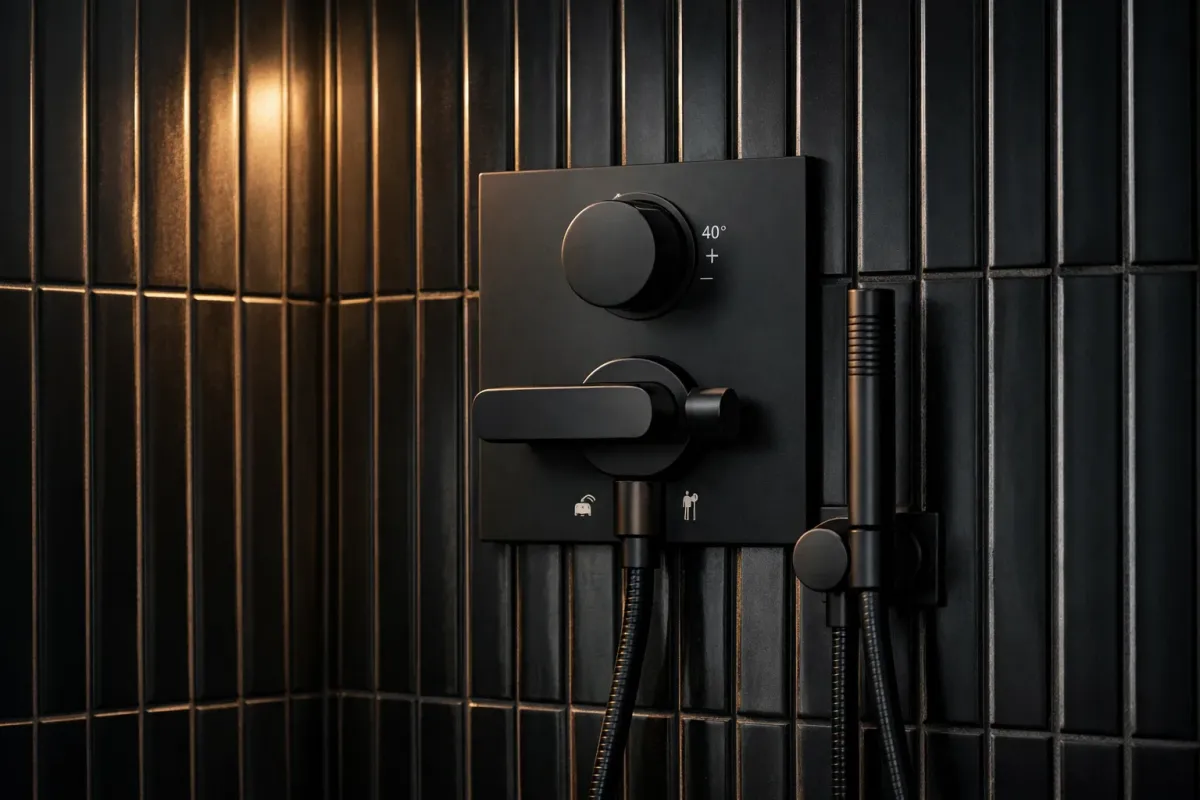
Freestanding baths need a tap strategy. Floor-standing taps are plumbed through the floor and allow the bath to sit anywhere in the room, but they require concealed pipework and cost £300 to £1,500 for the taps alone. Wall-mounted taps need the bath positioned against a wall but give a clean, contemporary look. Deck-mounted taps sit on the bath rim and are the simplest option where tap holes are provided. For advice on tap selection and water pressure compatibility, see our bathroom taps buying guide.
Installation Costs (Labour)
A like-for-like bath replacement (removing the old bath and fitting the new one in the same position) typically costs £200 to £600 including VAT, taking two to four hours. A full bathroom suite installation (bath, toilet and basin, labour only) runs £2,000 to £4,000. Additional costs include old bath removal (£50 to £100), floor reinforcement for heavy baths (£200 to £500), waste and tap modifications (£100 to £200), and tiling around the new bath (£300 to £600). For a full breakdown of renovation costs, see our bathroom cost guide.
Brand Warranty Comparison
| Brand | Warranty | Material |
|---|---|---|
| Kaldewei | 30 years | Steel enamel |
| Bette | 30 years | Glazed titanium steel |
| Carron (Carronite) | 30 years | Reinforced acrylic |
| Victoria + Albert | 25 years | Quarrycast |
| Roca (steel baths) | 25 years | Pressed steel |
| Burlington | 10 years | Various |
| Duravit | 5 years | Sanitary acrylic |
| Budget/unbranded | 1-2 years | Acrylic |
A 30-year warranty from Kaldewei or Bette on a bath costing £400 to £800 is a remarkable proposition. It means the manufacturer is confident their product will outlast the rest of your bathroom by a comfortable margin. When comparing baths, divide the price by the warranty period. A £750 Kaldewei Puro over 30 years costs £25 per year. A £150 unbranded acrylic over 5 years costs £30 per year and delivers a worse experience throughout.
Frequently Asked Questions
What is the best bath material for a UK bathroom?
How thick should an acrylic bath be?
Can my floor support a cast iron bath?
What is the difference between a P-shaped and L-shaped shower bath?
How much does it cost to install a bath in the UK?
Is a freestanding bath practical for a small bathroom?
What bath brands offer the longest warranty in the UK?
Past Projects


Get a Free Quote
Book a free, no-obligation site survey. Call us on 07428 653 653 or request a callback.
Book Free SurveyOur Clients' Reviews

5/5

5/5

5/5

5/5

5/5
Based on 453+ verified reviews across all platforms
Related Articles

How Much Does a New Bathroom Cost in 2026? UK Pricing Guide
What a New Bathroom Really Costs in 2026 The question every homeowner asks before a bathroom renovation is the same. How much? The answer depends on what you want, what you have already, and how much of the existing layout you intend to keep. But the data from thousands of UK projects gives us a clear picture.
view this article Read more
Bathroom Renovation Guide: Every Stage From Start to Finish
What a Bathroom Renovation Actually Involves A complete bathroom renovation is one of the most rewarding home improvement projects you can undertake, but it is also one of the most misunderstood. Homeowners frequently picture the finished result without appreciating the sequence of skilled trades and carefully timed stages that make it happen. Every professional bathroom renovation follows a logical order, and understanding that order is the single most important thing you can do before your project begins.
view this article Read more
Bathroom Tiling Styles for Timeless Elegance
Why Layout Matters More Than the Tile Itself
view this article Read more
Quartz, Granite or Porcelain Worktops: Which Suits Your Kitchen?
The Three-Way Decision Most Kitchen Renovations Come Down To
view this article Read more
Ceramic Disc Technology in Bathroom Taps: How It Works
The Technology Inside Almost Every Modern Tap If your bathroom taps turn with a smooth quarter-turn rather than two and a half rotations, they contain ceramic disc cartridges. This technology has become so dominant that it is now difficult to buy a new tap in the UK that does not use it. Yet most homeowners have no idea how it works, why it fails, or what to do when a ceramic disc tap starts dripping.
view this article Read more

How to Choose an Electrical Bathroom Mirror
What an Electrical Bathroom Mirror Actually Does
view this article Read more
Best Bathroom and Toilet Brands in the UK
What Makes a Good Bathroom Brand The brand name on your toilet, basin or shower valve determines far more than the price tag. It affects how long the product lasts, how easy it is to get replacement parts in five or ten years, whether the finish holds up to daily cleaning, and how well the engineering behind the product actually performs in a real bathroom rather than a showroom.
view this article Read more
Bathroom Underfloor Heating: Types, Installation and What to Expect
Why Underfloor Heating Works So Well in Bathrooms Stepping onto a warm bathroom floor on a cold January morning is one of those small luxuries that, once experienced, becomes very difficult to give up. Underfloor heating has grown from a niche luxury into a genuinely practical heating solution for UK bathrooms, and the reasons go well beyond comfort.
view this article Read more
Tools Required for Bathroom Fitting: The Professional Trade Toolkit
The Professional Bathroom Fitter’s Complete Toolkit Every professional bathroom fitter knows that quality tools are an investment, not an expense. The difference between a flawless installation and a problematic one often comes down to having the right equipment for the job. Over years of bathroom fitting projects across Greater Manchester, we have refined our toolkit to include everything a trade professional needs on site.
view this article Read more
What You Need to Know Before Your Kitchen Renovation
The Gap Between Expectation and Reality A kitchen renovation is not a weekend project. The 2025 Houzz UK Kitchen Trends Study found that 71 percent of homeowners change their kitchen layout during a renovation, and the median spend rose 34 percent year on year to £17,500. Those numbers tell you two things. First, most people end up doing more work than they originally planned. Second, the costs are significant enough that poor preparation leads to genuinely painful surprises.
view this article Read more
Accessible Bathroom Design: UK Regulations, Grants and Guide
Why Accessible Bathroom Design Matters Around 16.8 million people in the United Kingdom have a disability. That is one in four of the population, according to the DWP Family Resources Survey 2023/24, and the figure has risen by 4.9 million over the past decade. Among adults over State Pension age, 45 percent are disabled. The most common impairment types for working-age adults are mental health conditions (48 percent) and mobility impairments (42 percent).
view this article Read more