
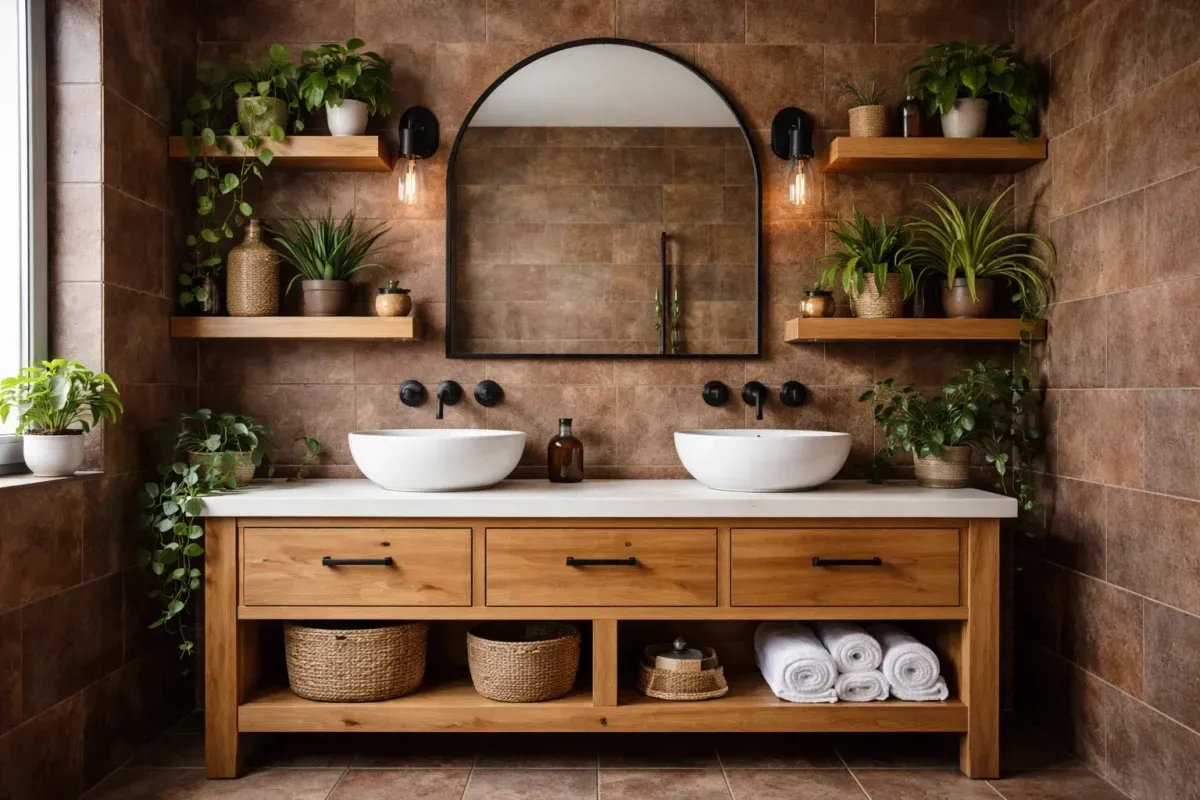
Complete Bathroom Overhaul: When to Strip Out and Start Fresh
Complete guide to full bathroom strip-out renovations. Hidden surprises, trade sequence, Building Regulations and UK costs.
When Does a Bathroom Need a Complete Overhaul?
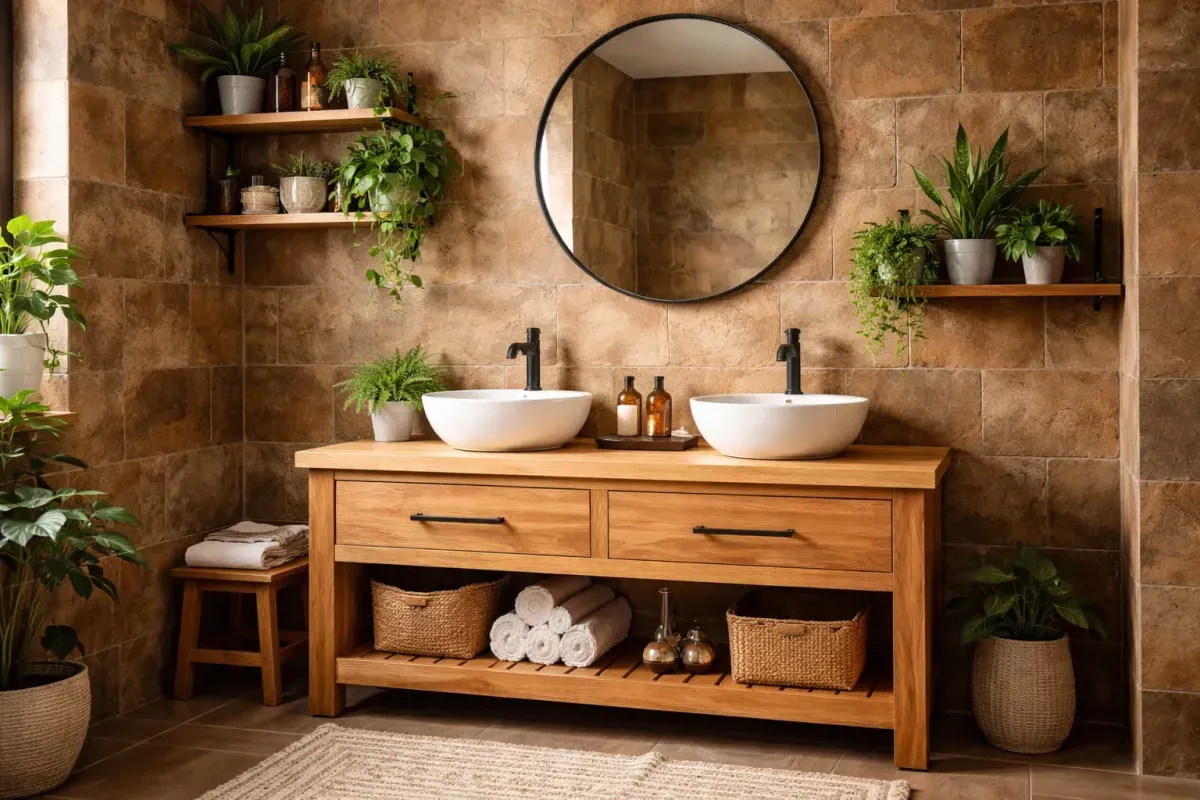
A fresh coat of paint and a new shower curtain can carry a tired bathroom only so far. At some point the underlying structure, pipework and wiring reach a condition where cosmetic touch-ups simply paper over problems that will resurface within months. Recognising that tipping point saves money in the long run and protects your home from water damage, electrical faults and mould-related health risks.
A complete overhaul means stripping the room back to bare masonry (or stud framing), replacing every service run, and rebuilding from scratch. It is more disruptive and more expensive than a cosmetic refresh, but for bathrooms that have passed their useful life, it is the only approach that delivers a lasting result.
Seven Signs Your Bathroom Needs a Full Strip-Out
Not every ageing bathroom needs gutting. Solid walls, sound pipework and a layout that still works can often be updated with new sanitaryware and tiles alone. The following signs, however, point towards a complete overhaul rather than a surface-level refresh.
Persistent damp behind tiles or panels. If the wall surface feels soft, plaster crumbles when touched, or dark patches appear on the other side of a bathroom wall, moisture has penetrated beyond the tile line. Patching individual areas rarely solves the root cause. A full strip-out allows you to inspect the substrate, identify where the waterproofing failed, and rebuild with proper tanking. For detailed guidance on dealing with damp in older properties, see our article on damp proofing in older houses.
Black mould that keeps returning. Mould on grout lines or sealant is a surface issue. Mould growing behind tiles, under the bath panel, or on ceiling plaster indicates a ventilation or waterproofing failure that surface cleaning cannot resolve. Under Awaab’s Law (introduced by the Social Housing Regulation Act 2023), landlords face strict timescales for addressing damp and mould hazards, but the same health risks apply to owner-occupied homes. Prolonged exposure to Aspergillus and Stachybotrys species causes respiratory sensitisation, particularly in children and the elderly.
Lead or galvanised steel pipework. Homes built before 1970 may still have lead supply pipes, and many properties from the 1960s and 1970s retain galvanised steel waste runs. Lead poses a well-documented health risk (particularly to children under six), while galvanised steel corrodes internally, restricting flow and eventually leaking at joints. Replacing individual sections creates dissimilar metal junctions that accelerate corrosion. A full strip-out allows the entire pipework system to be replaced with modern copper or push-fit plastic in one operation.
Outdated or dangerous electrics. Rubber-insulated cables, round-pin sockets, no RCD protection, light pulls wired directly through the ceiling void without junction boxes. Any of these conditions means the electrical installation predates the 18th Edition (BS 7671) of the IET Wiring Regulations. Retrofitting modern electrics around existing tiling and panelling is far more expensive and less reliable than wiring into an exposed room during a strip-out.
A spongy or bouncy floor. Softness underfoot near the shower tray, bath, or toilet base suggests the floor joists or chipboard decking have absorbed moisture over years of slow leakage. Chipboard swells irreversibly when wet. Timber joists develop wet rot (Coniophora puteana) that weakens them progressively. A floor that deflects visibly under load is a structural concern, not a cosmetic one.
The layout no longer works. A bathroom designed for a hip bath and a single cold tap in the 1930s rarely accommodates a modern family’s needs without fundamental reconfiguration. Moving the toilet, repositioning the shower, or converting to a wet room all require first-fix access to the floor and walls that a cosmetic renovation cannot provide.
Previous bodged work. Tiles fixed directly to plasterboard without tanking. Silicone used as a waterproofing membrane. Shower waste connected to a soil pipe with no trap. Electrical connections made outside a junction box. When the original installation was done badly, layering new finishes on top only delays the inevitable failure. Starting fresh allows every element to be installed correctly from the substrate outward.
What a Full Bathroom Strip-Out Involves
A strip-out begins with disconnecting services. The electrician isolates circuits feeding the bathroom. The plumber turns off water supplies and drains down. Sanitaryware (bath, basin, toilet, shower tray) is removed. Wall tiles are chased off. Plasterboard, if water-damaged, is stripped back to the studs. Floor coverings and rotten decking come up. Old pipework and cabling are pulled out.

In an average-sized bathroom (roughly 2.4 by 1.8 metres), a two-person team can complete a full strip-out in one to two days. The debris from a single bathroom typically fills half a builders’ skip. Mixed builder’s waste skips cost between £250 and £400 in the Greater Manchester area. Plasterboard must go into a separate skip because gypsum produces toxic hydrogen sulphide gas in landfill. Any materials suspected of containing asbestos require specialist disposal. For detailed waste disposal rules, see our guide on the environmental impact of bathroom renovations.
After the strip-out, the room is inspected for structural issues. Joists are checked for rot, the subfloor is assessed for level, walls are examined for damp penetration, and the existing drainage route is verified. This inspection stage is critical because it determines how much remedial work is needed before the rebuild can begin.
Hidden Surprises Behind the Tiles
Every experienced bathroom fitter has stories about what the tiles were hiding. Budgeting a contingency of 15 to 20 per cent of your total project cost protects against the most common discoveries.
Asbestos
Any home built or refurbished before 2000 may contain asbestos-containing materials (ACMs). In bathrooms, the most common locations are Artex textured coatings on ceilings, vinyl floor tiles and their adhesive backing, and the cement-fibre board sometimes used behind baths and shower enclosures.
If the textured coating was applied before 1985, the HSE advises treating it as containing asbestos without testing. Coatings applied between 1985 and 2000 should be tested by a UKAS-accredited laboratory. A survey and sample analysis typically costs £50 to £150.
Removal of textured coatings containing asbestos is classified as Notifiable Non-Licensed Work (NNLW) under the Control of Asbestos Regulations 2012. The contractor must hold Category B asbestos awareness training, notify the HSE before starting, and follow a written plan of work. Removal costs for a bathroom ceiling average £400 to £800 depending on accessibility and area. Asbestos-contaminated waste must be double-bagged in UN-rated bags, transported by a registered waste carrier, and disposed of at a licensed facility.
Rotten Floor Joists
Water finds the path of least resistance. Beneath a leaking shower tray, moisture accumulates on the top face of the joist directly below. Wet rot develops silently, often over years, until the timber loses structural integrity. A bathroom joist carrying the weight of a cast iron bath filled with water and a person (total load potentially exceeding 350 kilograms) must be structurally sound.
Where rot is localised, a timber specialist can bolt new timber alongside the damaged section (a process called sistering). Where multiple joists are affected, replacement is the only option. Joist replacement in a first-floor bathroom typically adds £400 to £1,200 to the project depending on the number of joists and accessibility from below.
Outdated Wiring
Pre-1970 wiring used rubber insulation that degrades over decades, becoming brittle and cracking to expose live conductors. Even where the insulation appears intact, the cable will not meet current standards for bathroom zones defined in BS 7671. An electrical survey during the strip-out phase identifies what can remain and what must be replaced. A complete bathroom rewire (first and second fix) typically costs £600 to £1,200 depending on the number of circuits and whether a new consumer unit is needed.
Hidden Damp
Removing tiles sometimes reveals rising damp, penetrating damp from external walls, or condensation damage caused by years of inadequate ventilation. Damp treatment varies from simple improved ventilation to full damp proofing with chemical injection or membrane systems. The advantage of discovering damp during a strip-out is that the walls are already exposed, making treatment far cheaper and more effective than retrofitting later. Our guide on damp proofing with plasterboard membrane covers the main treatment options in detail.
Building Regulations for Bathroom Overhauls
A like-for-like replacement of sanitaryware in the same positions rarely triggers Building Regulations. A complete overhaul, however, almost always involves notifiable work under one or more Approved Documents.
Part P (Electrical Safety). Any new electrical circuit in a bathroom is notifiable. This includes new lighting circuits, extractor fan circuits, underfloor heating circuits, and power supplies for electric showers or smart toilets. The work must be carried out by an electrician registered with a Competent Person Scheme (NICEIC, NAPIT, ELECSA) or separately notified to Building Control. On completion, the homeowner receives an Electrical Installation Certificate and a Building Regulations Compliance Certificate.
Part G (Sanitation, Hot Water and Water Efficiency). Hot water systems must incorporate measures to prevent scalding (thermostatic mixing valves limiting outlet temperature to 48 degrees Celsius maximum). New WCs must not exceed a 6-litre single flush or 6/4-litre dual flush. Any new or modified connections to the drainage system must comply with Part H (Drainage and Waste Disposal).
Part F (Ventilation). A bathroom must have either a mechanical extractor capable of removing a minimum of 15 litres of air per second with a 15-minute overrun after the light is switched off, or an openable window with a free area of at least one-twentieth of the floor area (where the window opens more than 30 degrees). Following a complete overhaul, the ventilation provision must be at least as good as before the works began. In practice, most overhauls improve ventilation because the original provision was often inadequate.
Part L (Conservation of Fuel and Power). If the renovation qualifies as a “major renovation” under the Energy Efficiency Regulations (replacing more than 25 per cent of a thermal element), the affected elements must be brought up to current U-value standards. External bathroom walls that are being replastered provide the opportunity (and potentially the obligation) to add insulation.
The Trade Sequence for a Complete Overhaul
A full overhaul passes through a defined sequence of trades. Skipping steps or reversing the order leads to rework, delay and additional cost. The sequence below reflects the standard approach used by professional bathroom remodelling teams.
Week one: Strip-out and structural remediation. Disconnect services. Remove all fixtures, fittings, tiles and damaged substrate. Inspect structure. Repair or replace joists. Treat damp. Install new floor decking (marine-grade plywood, not chipboard, in wet areas). Frame any new stud walls or box-out pipework runs.
Week one to two: First-fix plumbing and electrics. Route new hot and cold water pipes to sanitaryware positions. Run waste pipework. Install underfloor heating mats or pipework if specified. Cable new lighting circuits, extractor fan, heated towel rail, and any power supplies for electric showers or smart toilets. All first-fix work is left capped or terminated, ready for second-fix connections later.
Week two: Substrate preparation and waterproofing. Fix cement backer board (HardieBacker, Wedi, or Marmox) to walls in wet areas. Apply tanking membrane to shower zones and bath surrounds. Level the floor with self-levelling compound if required. Prime surfaces ready for tiling.
Week two to three: Tiling. Walls are tiled first, then floors. Adhesive selection depends on the substrate and tile type. Flexible adhesive (S1 or S2 rated) is mandatory on plywood floors and over underfloor heating. Grout and seal. Allow a minimum 24-hour cure before grouting and 48 hours before subjecting the floor to foot traffic.
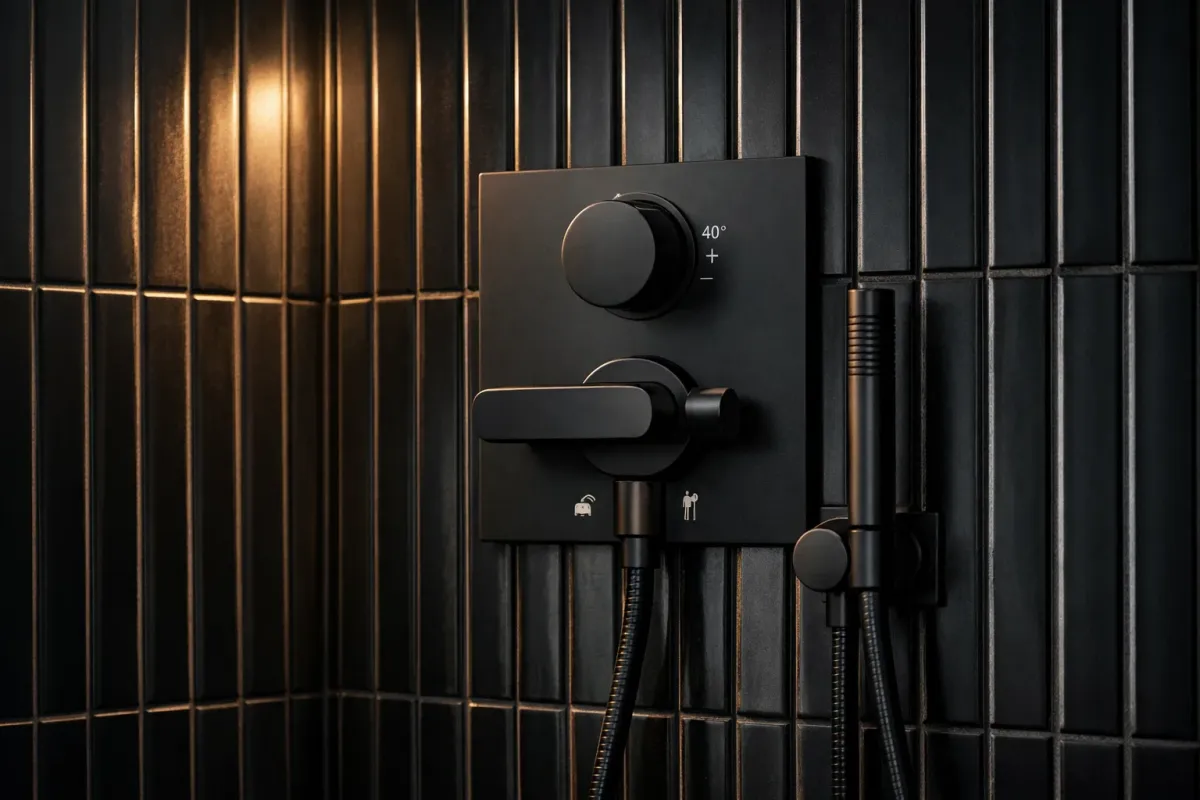
Week three: Second-fix plumbing and electrics. Hang sanitaryware (basin, toilet, bath or shower tray). Connect waste and water supplies. Fit brassware (taps, shower valves, bath fillers). Install the extractor fan, light fittings, heated towel rail and mirror light. Commission the electrics and issue the Electrical Installation Certificate.
Week three to four: Finishing. Silicone all junctions between sanitaryware and tiled surfaces. Fit bath panel, shower screen and accessories (towel ring, toilet roll holder, robe hooks). Touch up any paintwork. Final clean. Client walkthrough and snagging.
For a standard bathroom, a complete overhaul takes three to four weeks from strip-out to handover with a dedicated team. Larger bathrooms, structural complications, or bespoke joinery can extend the programme to five or six weeks. For a detailed breakdown of renovation timelines, see our guide on how long a bathroom remodel takes.
Budgeting for a Complete Overhaul
A complete strip-out and refit costs more than a cosmetic update because it includes demolition, waste disposal, structural repairs and full first-fix services that a surface-level renovation avoids. The table below provides realistic budget ranges for the Greater Manchester area.
| Item | Budget Range |
|---|---|
| Strip-out and waste disposal | £500 – £1,000 |
| Structural repairs (joists, decking, damp treatment) | £400 – £2,000 |
| First-fix plumbing (new pipework throughout) | £800 – £1,500 |
| First-fix electrics (new circuits, consumer unit upgrade if needed) | £600 – £1,200 |
| Substrate preparation and waterproofing | £400 – £800 |
| Tiling (walls and floor, mid-range tiles) | £1,200 – £2,500 |
| Sanitaryware (bath or shower tray, basin, toilet) | £800 – £2,500 |
| Brassware (taps, shower valve, bath filler) | £300 – £1,200 |
| Second-fix plumbing and electrics | £600 – £1,000 |
| Finishing (silicone, accessories, painting) | £200 – £500 |
| Total (standard bathroom) | £5,800 – £14,200 |
The lower end of the range reflects a standard bathroom with mid-range sanitaryware and ceramic tiles. The upper end reflects a larger room, premium brands, natural stone tiles, or complications such as significant structural remediation. A detailed cost breakdown with product-by-product pricing is available in our dedicated guide, and our bathroom renovation cost calculator can give you a personalised estimate based on your room size and specification.
Always ring-fence 15 to 20 per cent of your total budget as a contingency. The hidden costs discussed above (asbestos, rotten joists, outdated wiring, damp) are common discoveries, not rare exceptions. A £10,000 budget should have £1,500 to £2,000 set aside before a single tile is ordered.
Property Value and Return on Investment
A well-executed bathroom overhaul typically adds 4 to 6 per cent to the property value, with the highest uplift achieved when the renovation also adds functionality (converting a separate WC and bathroom into a combined space, or creating an en-suite where none existed). Estate agents consistently rank bathrooms alongside kitchens as the rooms that most influence buyer decisions.
The return on investment for a UK bathroom renovation sits at roughly 48 to 60 per cent. A £10,000 overhaul can add £5,000 to £6,000 to the sale price. The ROI improves further when the old bathroom was actively detracting from value, as is often the case with a bathroom that shows visible damp, dated sanitaryware, or poor-quality tiling.
Beyond the financial return, a complete overhaul eliminates ongoing maintenance costs. Patching a failing bathroom year after year (re-sealing, treating mould, fixing leaks) accumulates costs that a single comprehensive renovation removes permanently.
Planning Your Overhaul: A Practical Checklist
Before any work begins, the following steps prevent costly delays and misunderstandings once the trades are on site.
Commission a survey. In properties built before 2000, arrange an asbestos survey. In properties built before 1970, check for lead pipework. In any property showing signs of damp, arrange a damp survey with a PCA-certified surveyor before designing the new bathroom.
Fix the layout early. Moving the toilet is the single most expensive layout change because it requires a new soil pipe connection. Decide on the layout before ordering sanitaryware. Draw the room to scale, mark door swings and window positions, and confirm that the chosen layout provides the minimum clearances required by Building Regulations (200mm from a WC centre line to any wall, 600mm in front of each sanitaryware item).
Choose sanitaryware and brassware before the first fix. The plumber needs to know the precise positions of water supply and waste connections before running new pipework. Changing your mind about the basin position after first fix means rerouting pipework at additional cost. Our guides on choosing bathroom taps and the best bathroom brands can help you make these decisions early.
Arrange temporary facilities. A complete overhaul puts your bathroom out of commission for three to four weeks. If you have a second bathroom or en-suite, this may be manageable. If not, discuss interim arrangements with your contractor before work starts.
Agree a fixed-price or capped-price contract. A reputable bathroom renovation company will survey the room, provide a written specification, and quote a fixed or capped price. Day-rate arrangements offer no cost certainty and tend to overrun. Insist on a written contract that includes the specification, price, payment schedule, start date, estimated completion date, and details of any warranties or guarantees.
For a step-by-step guide to planning the renovation itself, see our comprehensive bathroom renovation guide. And for common mistakes to avoid during the process, our article on costly bathroom renovation errors covers the pitfalls that catch homeowners most frequently.
Frequently Asked Questions
How do I know if my bathroom needs a complete overhaul or just a cosmetic refresh?
How long does a complete bathroom overhaul take?
Do I need Building Regulations approval for a bathroom overhaul?
What should I budget for a complete bathroom strip-out and refit?
How much value does a new bathroom add to a UK property?
What happens if asbestos is found during the strip-out?
Can I live in the house during a complete bathroom overhaul?
Should I choose sanitaryware before or after the strip-out?
Past Projects


Get a Free Quote
Book a free, no-obligation site survey. Call us on +44 7428 653 653 or request a callback.
Book Free SurveyOur Clients' Reviews

5/5

5/5

5/5

5/5
Based on 453+ verified reviews across all platforms
Related Articles
What You Need to Know Before Starting a Bathroom Renovation
The Planning That Makes or Breaks a Bathroom Renovation The difference between a bathroom renovation that finishes on time and on budget, and one that drags on for weeks with spiralling costs, is almost never about the quality of the tradespeople.
view this article Read more
Bathroom Renovation Guide: Every Stage From Start to Finish
What a Bathroom Renovation Actually Involves A complete bathroom renovation is one of the most rewarding home improvement projects you can undertake, but it is also one of the most misunderstood.
view this article Read more
Bathroom Remodelling vs Renovation: Which Do You Need?
Two Words That Mean Very Different Things Homeowners searching for bathroom help online run into a persistent confusion. One company advertises bathroom renovation.
view this article Read more
How to Replace a Shower with a Bath
Replacing a shower with a bath is an excellent way to enhance both the functionality and comfort of your bathroom, especially if you’re accommodating a growing family.
view this article Read more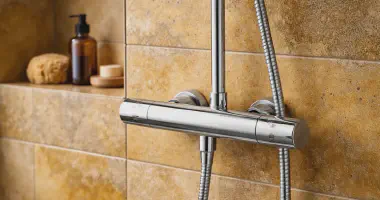
How Much Does a New Bathroom Cost in 2026? UK Pricing Guide
What a New Bathroom Really Costs in 2026 The question every homeowner asks before a bathroom renovation is the same. How much?
view this article Read more
Bathroom Tiling Styles for Timeless Elegance
Why Layout Matters More Than the Tile Itself A bathroom tile is a raw ingredient. The layout pattern is the recipe.
view this article Read more
Quartz, Granite or Porcelain Worktops: Which Suits Your Kitchen?
The Three-Way Decision Most Kitchen Renovations Come Down To Once you have decided that laminate is not enough and solid wood is not right for your cooking habits, the conversation narrows quickly.
view this article Read more
Ceramic Disc Technology in Bathroom Taps: How It Works
The Technology Inside Almost Every Modern Tap If your bathroom taps turn with a smooth quarter-turn rather than two and a half rotations, they contain ceramic disc cartridges.
view this article Read more
Fitting Kitchen Worktops: The Complete Installation Guide
From Order to Fitted The worktop is one of the last things fitted in a kitchen renovation and one of the first things to go wrong if the process is rushed.
view this article Read more
How to Choose an Electrical Bathroom Mirror
What an Electrical Bathroom Mirror Actually Does An electrical bathroom mirror is a permanently wired fixture that combines a mirror with integrated LED lighting, and often a demister pad, Bluetooth speakers, a shaver socket, or adjustable colour temperature.
view this article Read more
Best Bathroom and Toilet Brands in the UK
What Makes a Good Bathroom Brand The brand name on your toilet, basin or shower valve determines far more than the price tag.
view this article Read more
Bathroom Underfloor Heating: Types, Installation and What to Expect
Why Underfloor Heating Works So Well in Bathrooms Stepping onto a warm bathroom floor on a cold January morning is one of those small luxuries that, once experienced, becomes very difficult to give up.
view this article Read more