
Tile History, How Tiles Are Made and Top UK Brands
The history of tiles, how they are manufactured, and the top UK tile brands. Expert tiling advice from professional tilers in Manchester.
A Material That Shaped Civilisation
Few building materials can claim to have survived five thousand years of continuous use and still feel modern. Tiles have decorated palaces and public baths, survived empires, adapted to industrial production, and arrived in the twenty-first century as one of the most versatile surfaces available to homeowners. Whether you are planning a bathroom renovation or a kitchen refurbishment, understanding where tiles come from, how they are made, and which brands produce the best products in the UK will help you make better decisions about the surfaces you live with every day.

The History of Tiles
The oldest known tiles date to around 4,000 BCE in Egypt and Mesopotamia. These early examples were simple clay slabs, dried in the sun and sometimes painted with pigments. They served a practical purpose first. Mud-brick buildings needed protection from rain and moisture, and a fired clay surface provided exactly that.
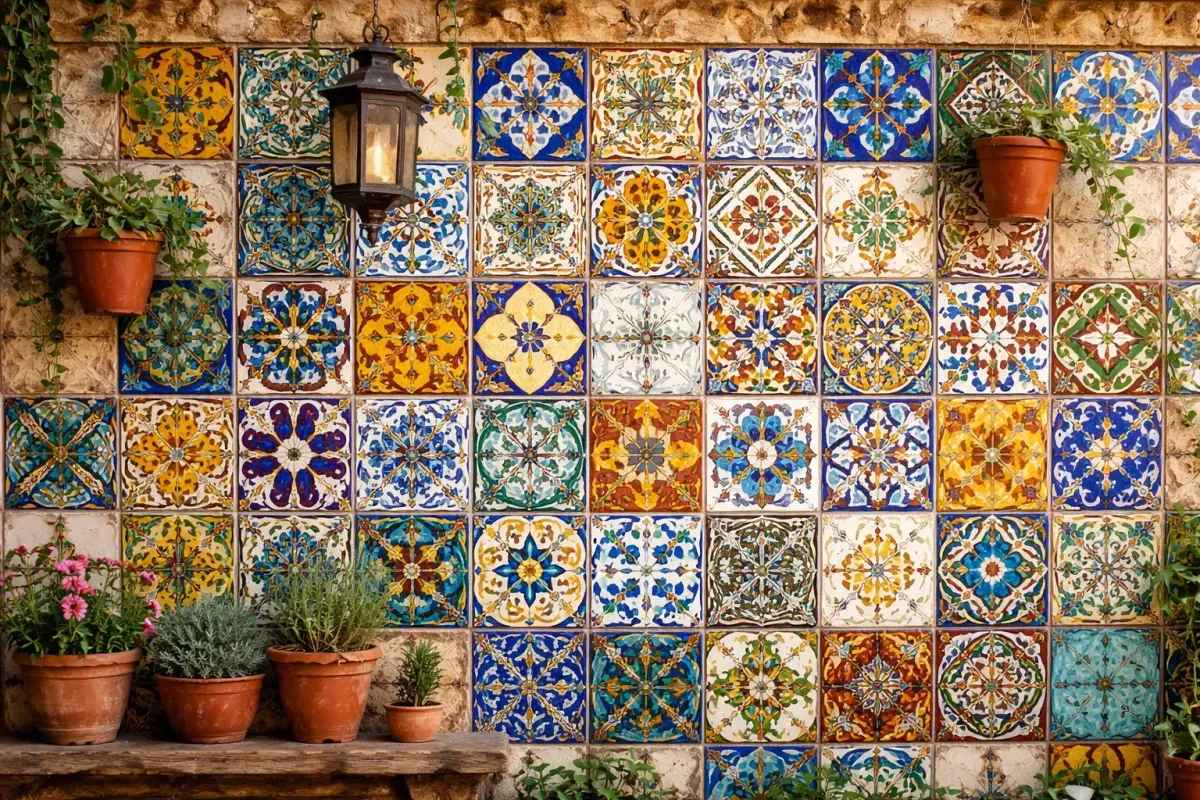
The craft became an art form under Islamic influence. From the eighth century onward, potters across North Africa, Persia and the Ottoman Empire developed increasingly complex geometric patterns and vibrant glazes. The famous blue tilework of the Alhambra in Granada and the mosques of Isfahan represent a peak of tile artistry that still influences designers today. These craftsmen understood something modern manufacturers confirm with laboratory testing. Glazed ceramic, properly fired, resists water penetration almost completely.
Medieval Europe had its own tile tradition. Encaustic floor tiles, made by pressing different coloured clays into a single body before firing, appeared in English monasteries and churches from the twelfth century. Many of these floors survive, a testament to durability that no other flooring material of the period can match. The Victorians revived and industrialised the encaustic process, and original Victorian floor tiles remain highly prized in period property renovations across Manchester and the rest of the UK.
The real transformation arrived with the Industrial Revolution. Stoke-on-Trent became the centre of British ceramic production, and factories like Minton and Maw & Company produced millions of tiles for the rapidly growing towns and cities. Public buildings, Underground stations, hospitals and domestic kitchens were all tiled for hygiene as much as appearance. By the early twentieth century, tiles had become a standard building material rather than a luxury.
Today the global tile industry produces over 17 billion square metres annually. Technology has moved far beyond simple clay and glaze. Digital inkjet printing allows manufacturers to reproduce the appearance of marble, wood, concrete or fabric on a porcelain body. Large-format panels up to 3.2 metres long eliminate grout lines almost entirely. Yet the fundamental principle remains unchanged. Clay, shaped and fired at high temperature, produces a surface that is hard, waterproof, hygienic and extraordinarily durable.
How Tiles Are Made
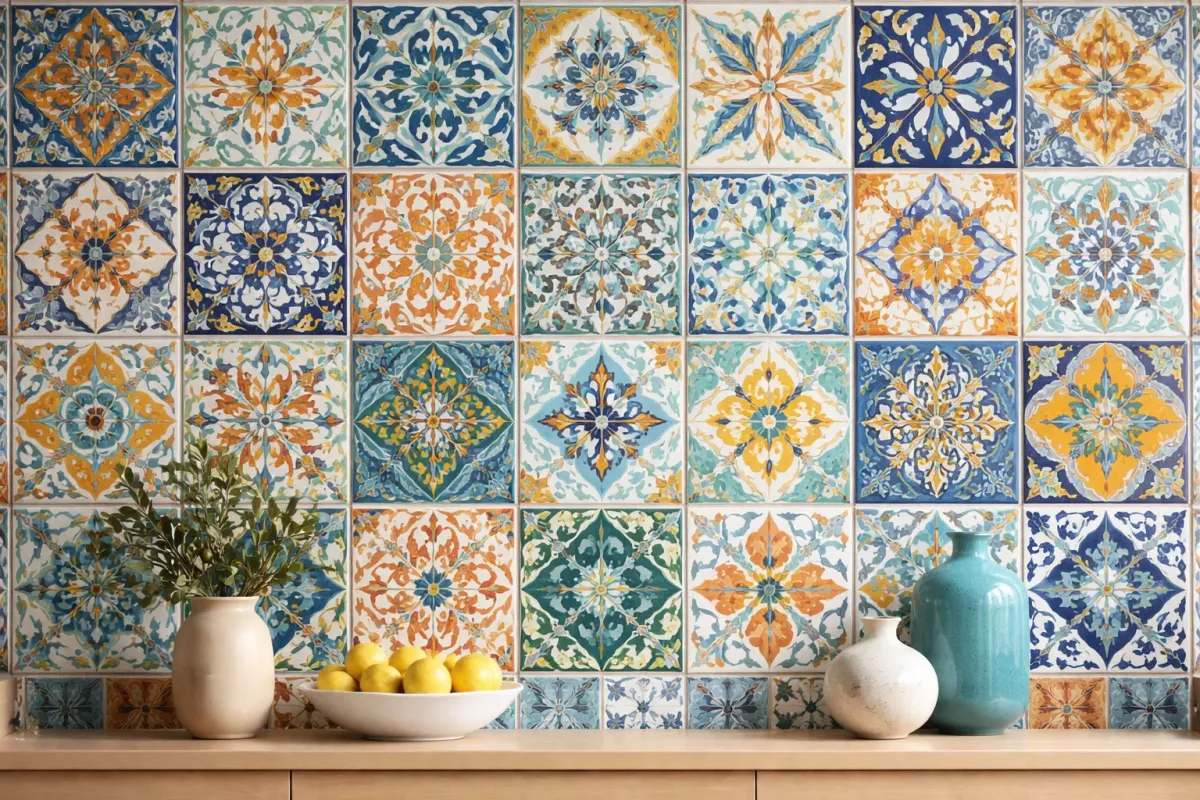
Modern tile manufacturing is a precise industrial process, though the basic stages would be recognisable to a potter from ancient Mesopotamia.
Raw Materials
The primary ingredient is clay, usually ball clay or kaolin blended with feldspar, silica sand and other minerals. The exact recipe determines whether the finished tile will be ceramic or porcelain. Porcelain uses finer, purer clays and a higher proportion of feldspar, which is why the fired body is denser and less porous. Manufacturers guard their formulations carefully because small variations in the raw material blend produce significant differences in the finished tile.
Shaping
Most modern tiles are formed by dry pressing. The blended raw materials are ground to a fine powder, dried to a precise moisture content, and then pressed in hydraulic moulds under enormous pressure. A typical press applies between 300 and 400 kilograms per square centimetre. This compression forces the particles into intimate contact and determines the tile’s density before firing. Extrusion is the alternative method, used mainly for specialist products like quarry tiles and some terracotta. The clay body is pushed through a die, cut to length, and then dried.
Drying and Glazing
Pressed tiles pass through a dryer that reduces their moisture content gradually to prevent cracking. The dried tile body, called a bisque, may receive a glaze at this stage. Glazing involves applying a liquid coating of glass-forming minerals, pigments and opacifiers to the tile surface. Digital inkjet printers now handle much of the decorative work, depositing microscopic droplets of coloured glaze in patterns controlled by high-resolution image files. This technology is what allows a porcelain tile to mimic the grain of oak or the veining of Carrara marble with startling realism.
Firing
The kiln is where the transformation happens. Tiles travel through a tunnel kiln on a continuous conveyor, passing through heating zones that raise the temperature to between 1,100 and 1,250 degrees Celsius depending on the product type. Porcelain tiles are fired at the higher end of this range, which vitrifies the body and produces a water absorption rate below 0.5 percent. Ceramic tiles fire at lower temperatures and retain slightly higher porosity, typically between 3 and 6 percent absorption. The entire firing cycle takes between 40 minutes and two hours. What enters the kiln as a fragile, chalky biscuit emerges as a hard, resonant tile ready for decades of service.
Quality Control
Every tile is inspected after firing. Automated systems check dimensions, flatness, colour consistency and surface defects. Tiles are sorted into batches by shade and calibre, which is why it is important to order sufficient quantity from the same batch for any tiling project. Even tiles that pass quality control will show slight variation between production runs.
Ceramic, Porcelain and Natural Stone
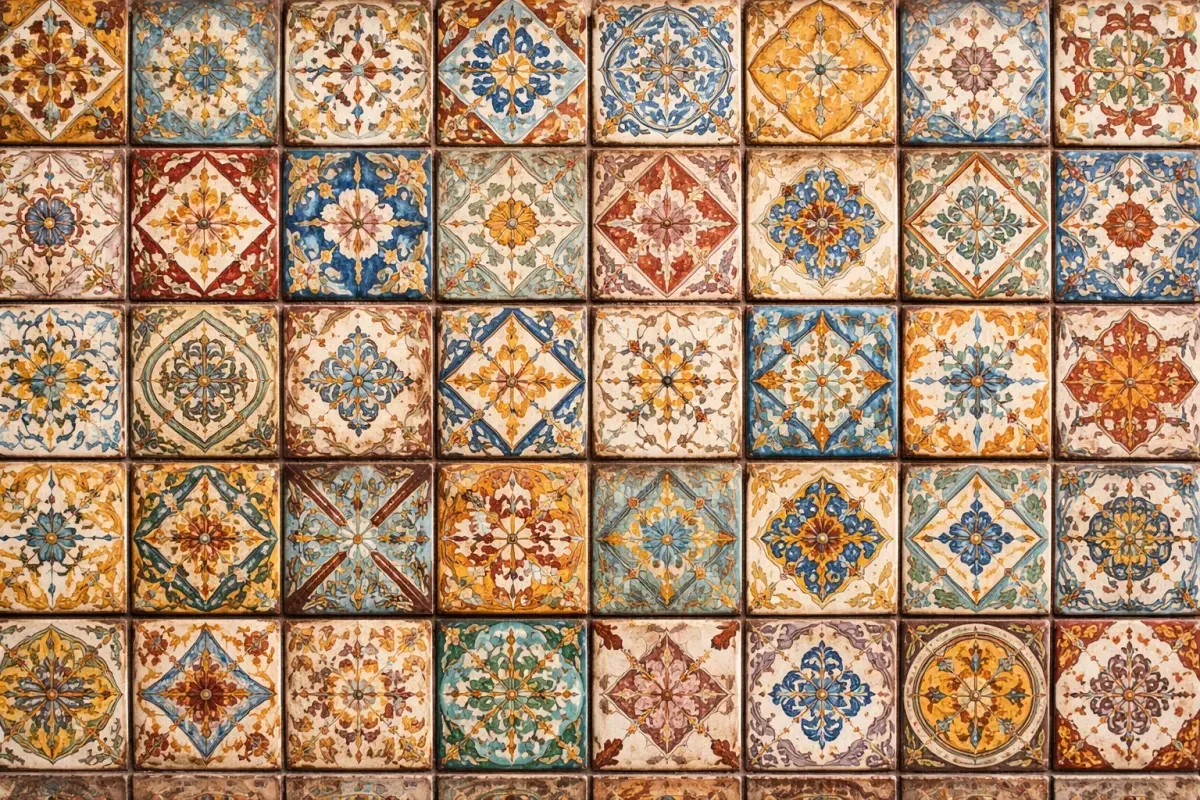
Homeowners choosing tiles for a bathroom or kitchen project face three broad categories, each with distinct characteristics.
Ceramic tiles are the most affordable and easiest to cut. Their higher porosity makes them better suited to walls than floors in wet areas, though glazed ceramic floor tiles perform well in kitchens and hallways. Most decorative wall tiles in UK bathrooms are ceramic.
Porcelain tiles are denser, harder and less porous. They handle heavy foot traffic, resist frost, and work well on both walls and floors. Full-body porcelain carries its colour through the entire thickness of the tile, so chips are less visible. Porcelain is the preferred choice for wet rooms and shower floors where water resistance is critical. Our guide to bathroom tile types covers the practical differences in more detail.
Natural stone tiles (marble, granite, slate, limestone, travertine) offer unique character that no manufactured tile can replicate. Each piece is different. The trade-off is higher cost, greater maintenance requirements, and the need for proper sealing. Stone tiles are heavier and require stronger adhesive and substrate preparation. They are beautiful, but they demand commitment. For a comparison of contemporary tiling styles that includes stone options, see our dedicated guide.
Major Tile Brands in the UK
The UK tile market is served by both domestic manufacturers and international brands. Here are the most significant names that professionals and homeowners encounter.
Johnson Tiles
The oldest surviving tile manufacturer in Britain, operating from their Stoke-on-Trent factory since 1901. Johnson Tiles produces ceramic and porcelain wall and floor tiles for both residential and commercial projects. Their Prismatics range is a staple of commercial specification work, and their residential collections cover everything from classic subway tiles to large-format porcelain. As a UK manufacturer, they offer shorter lead times and lower transport costs than imported alternatives.
British Ceramic Tile
Another Stoke-on-Trent manufacturer with a history stretching back over a century. British Ceramic Tile (BCT) focuses on the residential market with a broad range of ceramic wall tiles, porcelain floor tiles and decorative feature tiles. Their products are widely available through UK tile retailers and builders’ merchants. The company has invested heavily in digital printing technology, allowing them to offer wood-effect and stone-effect porcelain at accessible price points.
Porcelanosa
A Spanish manufacturer with a strong UK presence, including showrooms in major cities. Porcelanosa produces high-end ceramic and porcelain tiles alongside bathroom furniture, kitchen surfaces and architectural cladding. Their products sit at the premium end of the market, with a focus on large-format tiles, textured surfaces and design-forward collections. The quality is consistently excellent, and their UK distribution network means availability is rarely an issue.
RAK Ceramics
One of the world’s largest ceramic manufacturers, headquartered in the UAE with production facilities on three continents. RAK Ceramics offers an enormous range of tiles from budget to premium, and their products are widely specified by UK architects and developers. Their large-format porcelain slabs, some exceeding 1.5 metres in length, are particularly popular for contemporary bathroom and kitchen projects.
Original Style
Based in Exeter, Original Style specialises in decorative tiles, glass mosaics and Victorian-style geometric floor tiles. They are the go-to brand for period property renovations where historical accuracy matters. Their hand-finished encaustic tiles are made using methods that have barely changed since the nineteenth century. If you are restoring a Victorian hallway in a Manchester terrace, Original Style is likely where your tiler will source the floor tiles.
Marazzi
An Italian manufacturer and one of the largest tile producers in Europe. Marazzi is known for innovative surface technology and design-led collections. Their wood-effect porcelain ranges are among the most convincing on the market. Available through specialist tile retailers across the UK, Marazzi products are a common choice for high-specification residential projects.
UK Tile Brand Comparison
| Brand | Origin | Strength | Best For | Price Range |
|---|---|---|---|---|
| Johnson Tiles | Stoke-on-Trent, UK | UK manufacturing, commercial pedigree | Commercial and residential wall/floor | Mid |
| British Ceramic Tile | Stoke-on-Trent, UK | Broad residential range, digital prints | Residential bathrooms and kitchens | Budget to Mid |
| Porcelanosa | Spain (UK showrooms) | Premium quality, design innovation | High-end bathrooms and kitchens | Premium |
| RAK Ceramics | UAE (global production) | Scale, large-format slabs | Contemporary large-format projects | Budget to Premium |
| Original Style | Exeter, UK | Period tiles, glass mosaics | Victorian restorations, feature walls | Mid to Premium |
| Marazzi | Italy | Design-led, wood-effect porcelain | High-spec residential projects | Mid to Premium |
Choosing the Right Tiles for Your Project
The best tile for your project depends on where it will be installed, how much traffic it will receive, and the look you want to achieve. A shower enclosure demands different properties from a kitchen floor. A hallway needs durability that a feature wall does not.
For bathrooms, porcelain tiles with a slip-resistant surface rating of R10 or above are the safest choice for floors. Wall tiles can be ceramic, porcelain or even glass mosaic depending on the design. Our guide to bathroom tile trends covers what is popular right now, while our article on tile fitting techniques explains what the installation process involves.
For kitchens, consider large-format porcelain for minimal grout lines and easier cleaning. Our guide to kitchen tiling covers the options in detail.
If you are weighing up alternatives to traditional tiles, our panels vs tiles comparison sets out the pros and cons of each approach.
Professional tiling services ensure that your chosen tiles are installed correctly on a properly prepared substrate. The best tiles in the world will fail if the surface behind them is not right. We have seen beautifully specified tiles crack and lift because the substrate was not flat, the adhesive was wrong, or the waterproofing was missing. Getting the installation right matters as much as choosing the right product.
Frequently Asked Questions
What is the difference between ceramic and porcelain tiles?
Are UK-made tiles better than imported tiles?
How long do tiles last?
What tiles should I use in a wet room?
Can I tile over existing tiles?
How do I maintain tiles and grout?
Should I hire a professional tiler or tile myself?
Past Projects


Get a Free Quote
Book a free, no-obligation site survey. Call us on +44 7428 653 653 or request a callback.
Book Free SurveyOur Clients' Reviews

5/5

5/5

5/5

5/5
Based on 453+ verified reviews across all platforms
Related Articles
How Much Does a New Bathroom Cost in 2026? UK Pricing Guide
What a New Bathroom Really Costs in 2026 The question every homeowner asks before a bathroom renovation is the same. How much?
view this article Read more
Bathroom Renovation Guide: Every Stage From Start to Finish
What a Bathroom Renovation Actually Involves A complete bathroom renovation is one of the most rewarding home improvement projects you can undertake, but it is also one of the most misunderstood.
view this article Read more
Bathroom Tiling Styles for Timeless Elegance
Why Layout Matters More Than the Tile Itself A bathroom tile is a raw ingredient. The layout pattern is the recipe.
view this article Read more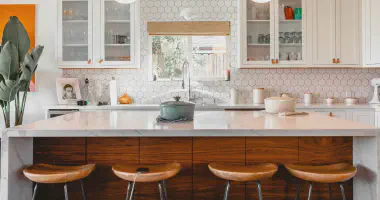
Quartz, Granite or Porcelain Worktops: Which Suits Your Kitchen?
The Three-Way Decision Most Kitchen Renovations Come Down To Once you have decided that laminate is not enough and solid wood is not right for your cooking habits, the conversation narrows quickly.
view this article Read more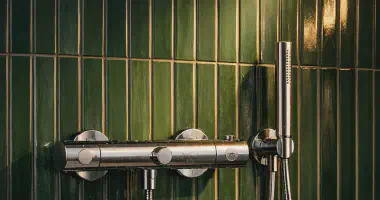
Ceramic Disc Technology in Bathroom Taps: How It Works
The Technology Inside Almost Every Modern Tap If your bathroom taps turn with a smooth quarter-turn rather than two and a half rotations, they contain ceramic disc cartridges.
view this article Read more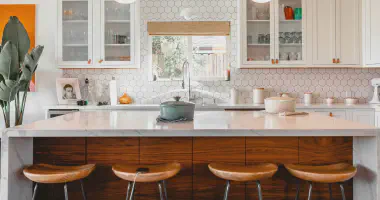
Fitting Kitchen Worktops: The Complete Installation Guide
From Order to Fitted The worktop is one of the last things fitted in a kitchen renovation and one of the first things to go wrong if the process is rushed.
view this article Read more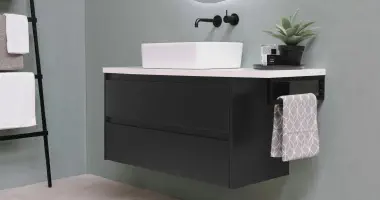
How to Choose an Electrical Bathroom Mirror
What an Electrical Bathroom Mirror Actually Does An electrical bathroom mirror is a permanently wired fixture that combines a mirror with integrated LED lighting, and often a demister pad, Bluetooth speakers, a shaver socket, or adjustable colour temperature.
view this article Read more
Best Bathroom and Toilet Brands in the UK
What Makes a Good Bathroom Brand The brand name on your toilet, basin or shower valve determines far more than the price tag.
view this article Read more
Bathroom Underfloor Heating: Types, Installation and What to Expect
Why Underfloor Heating Works So Well in Bathrooms Stepping onto a warm bathroom floor on a cold January morning is one of those small luxuries that, once experienced, becomes very difficult to give up.
view this article Read more
Tools Required for Bathroom Fitting: The Professional Trade Toolkit
The Professional Bathroom Fitter’s Complete Toolkit Every professional bathroom fitter knows that quality tools are an investment, not an expense. The difference between a flawless installation and a problematic one often comes down to having the right equipment for the job.
view this article Read more
What You Need to Know Before Your Kitchen Renovation
The Gap Between Expectation and Reality A kitchen renovation is not a weekend project. The 2025 Houzz UK Kitchen Trends Study found that 71 percent of homeowners change their kitchen layout during a renovation, and the median spend rose 34 percent year on year to £17,500.
view this article Read more
Accessible Bathroom Design: UK Regulations, Grants and Guide
Why Accessible Bathroom Design Matters Around 16.8 million people in the United Kingdom have a disability. That is one in four of the population, according to the DWP Family Resources Survey 2023/24, and the figure has risen by 4.
view this article Read more