
Hiring Bathroom Fitters in Manchester: Costs, Process and Advice
Hiring bathroom fitters in Manchester? Local costs, qualifications to check, step-by-step hiring process and tips from experienced Manchester fitters.
What Manchester Homeowners Need to Know Before Hiring

Renovating a bathroom is one of the most rewarding home improvements you can make, and one of the easiest to get wrong if you hire the wrong people. The difference between a bathroom that looks and performs brilliantly for fifteen years and one that develops leaks, loose tiles and mould within months comes down to the team you choose and how clearly you communicate what you want.
Manchester presents specific challenges that homeowners in newer build areas rarely encounter. Victorian terraces with narrow rear extensions, 1930s semis with outdated drainage, post-war flats with restricted access and compact rooms that demand creative space planning all require fitters who understand the local housing stock. This guide covers everything a Greater Manchester homeowner needs to know about hiring bathroom fitters, from realistic local pricing to the questions you should ask before a single tile is removed.
For a national perspective on bathroom fitter qualifications and accreditations, including what BiKBBI membership, TrustMark registration and Part P compliance actually mean, our companion guide covers the credentials in detail.
How Much Does Bathroom Fitting Cost in Manchester?
Bathroom fitting costs vary depending on the size of the project, the property type, material quality and layout complexity. The figures below reflect what most bathroom fitting companies in the Greater Manchester area currently charge. For a more detailed virtual estimate tailored to your project, the bathroom renovation cost calculator is a useful starting point.
| Type of Work | Average Cost (Manchester) |
|---|---|
| Bathroom makeover (PVC panels over existing tiles, fixture changes) | £2,500–£4,500 |
| Full bathroom refit (standard, back to bricks with new plumbing) | £4,400–£7,000 |
| Full bathroom refit (premium finish, back to bricks) | £6,000–£9,000+ |
| Mobility bathroom fitting (grab rails, structural reinforcement, additional wiring) | £9,000–£12,000+ |
| Commercial bathroom fitting | £8,000–£14,000+ |
| Toilet and basin replacement | From £500 |
| Shower installation (labour only) | £500–£1,200 |
| Fitter/plumber hourly rate | £30–£60 |
These figures sit roughly 15 to 20 per cent below London and the South East. A detailed breakdown covering every line item from sanitaryware to tiling labour is available in our bathroom cost guide.
Always ask for a written quote that includes materials, labour, VAT and any potential extras such as waste disposal or structural work. A quote and an estimate are not the same thing. A quote is a fixed price for a defined scope of work. An estimate is a rough guide that can change.
What a Bathroom Fitter Actually Does
Bathroom fitters do far more than install toilets and basins. A competent fitter manages or coordinates multiple trades across the full renovation sequence.
Strip-out and demolition. Removing old suites, tiles (sometimes multiple layers), panelling, flooring and damaged substrate. In older Manchester properties, this stage often reveals hidden damp, rotten joists or outdated wiring that needs addressing before the rebuild begins. Our guide to avoiding costly renovation mistakes covers the most common discoveries.
First-fix plumbing and drainage. Running new hot and cold supply pipes, installing waste runs and connecting to the soil stack. Some projects require complete soil pipe stack replacement, particularly in Victorian properties where the original cast iron is corroding.
First-fix electrics. Lighting circuits, extractor fan wiring, heated towel rail spurs, underfloor heating and shaver socket installations. Under Part P of the Building Regulations, most electrical work in a bathroom must be carried out by a registered electrician.
Tiling. Wall and floor tiling in standard and advanced patterns. Smaller tiles are more time-consuming to install, and complex patterns (herringbone, chevron) require significantly more cutting and waste, which adds to the cost.
Second-fix installation. Fitting baths, shower trays, basins, toilets, taps, shower valves, mirrors, cabinets and accessories.
Finishing. Silicone sealing, grouting, painting, and final commissioning of all fixtures.
Many bathroom fitters in Manchester act as project managers too, coordinating the plumber, electrician, tiler and plasterer into a single programme of work. Builders Squad Ltd manages the entire process from first fix to snagging.
Qualifications and Credentials to Check
Not all bathroom fitters hold the same credentials. The trade is unregulated, meaning anyone can legally offer bathroom fitting services. The qualifications a fitter holds voluntarily are therefore your most reliable signal of professionalism.
NVQ or City & Guilds certification in plumbing or bathroom installation confirms formal training. City & Guilds 6189 (NVQ Level 2 in Plumbing and Heating) is the standard competence qualification.
Gas Safe registration is a legal requirement if the project involves any gas work, such as boiler relocation or gas water heater installation.
Part P electrical registration (NICEIC, NAPIT or ELECSA) confirms that the electrician working on your bathroom can self-certify notifiable electrical work and issue an Electrical Installation Certificate.
BiKBBI membership (now BIFIS) requires minimum £2 million public liability insurance, DBS checks on all installers and proof of HMRC registration. BiKBBI members also offer deposit protection through their escrow-based Protected Scheme.
Public liability insurance of at least £2 million protects you if the fitter causes damage to your property during the work. Ask to see the certificate and check it is current.
Always verify credentials independently. Check the Gas Safe Register online. Confirm BiKBBI membership on their website. Ask the fitter for their NICEIC or NAPIT registration number and verify it.
Step-by-Step Hiring Process
The process of finding and hiring a bathroom fitter becomes straightforward when you follow a structured approach.
1. Research and shortlist. Check online reviews across multiple platforms (Google, Trustpilot, Checkatrade, TrustATrader). Look at the business’s website and portfolio. Check Companies House to confirm the business is legitimate and active. Shortlist three to five fitters.
2. Request detailed written quotes. Always get at least three. Specify your requirements clearly: tile sizes and patterns, plumbing preferences (copper vs composite), fixture types (standard vs wall-hung), and any structural changes. The more information you provide, the more accurate the quotes. A vague brief produces vague pricing.
3. Compare scope, not just cost. Check what each quote includes. Does the price cover waste disposal? Skip hire? Electrical certification? Painting above the tile line? The cheapest quote may exclude items that the others include.
4. Check availability. Good fitters are often booked weeks or months ahead. Larger companies have more capacity, while sole traders tend to have longer waiting times. Plan ahead and be flexible on start dates if possible.
5. Agree a written contract. The contract should specify the scope of work, materials, total price, payment schedule, start date, estimated completion date and guarantee terms. Reputable companies do not take full payment upfront. Builders Squad Ltd operates a no-upfront-payment policy because we believe in the quality of the work we deliver.
6. Verify backup plans. If hiring a sole trader, ask what happens if they become ill or unavailable. Do they work with a trusted colleague who can step in? A company with multiple fitters has built-in continuity.
7. Confirm responsiveness. A fitter who takes days to return calls or emails before the job starts will not improve once the work is underway. Responsiveness during the quoting stage is a reliable predictor of communication during the project.
Manchester-Specific Considerations
Greater Manchester properties present challenges that fitters working exclusively in new builds may not anticipate.
Victorian and Edwardian terraces across Levenshulme, Chorlton, Didsbury and Salford often have narrow bathrooms added in rear extensions, old cast iron pipework, lead supply pipes and restricted access for waste runs. The bathroom renovation process in these properties typically takes longer and costs more than in modern homes because of the remedial work required once tiles and panelling come off.
1930s semi-detached houses in areas like Heaton Mersey, Prestwich and Stretford usually have workable bathroom sizes but may need plumbing upgrades. Converting a separate toilet and bathroom into a single room is one of the most common projects in this housing type and requires careful assessment of whether the dividing wall is load-bearing.
Flats and conversions may need freeholder permission for plumbing changes. Leasehold agreements sometimes restrict modifications to drainage or soil stacks. Check before commissioning any work.
Compact bathrooms demand space-saving fixtures. Wall-hung toilets, sliding shower screens and wet room conversions can transform a small space. For ideas on maximising a tight layout, our bathroom remodelling ideas for Manchester homeowners covers practical options.
Limited access and parking. Restricted parking for vans and limited space for skip placement can directly affect project pricing. Discuss logistics with your fitter before work begins, especially in terraced streets with residents’ parking schemes.
Low water pressure in some Manchester postcodes may require a booster pump or accumulator to deliver adequate shower performance. Your fitter should assess water pressure during the site survey and recommend solutions if needed.
Tips to Save Money on Your Bathroom Refit
A few practical decisions can reduce costs significantly without compromising the finished result.
Reuse existing layouts wherever possible. Keeping the toilet in its current position avoids the expense of rerouting the soil pipe, which is consistently the most expensive single change in a bathroom renovation.
Buy fixtures and tiles during seasonal sales, but confirm compatibility with your fitter before purchasing. Avoid buying bulky items (baths, shower trays) before the site survey, because dimensions and access constraints may rule out certain products.
Mix high-end and budget items strategically. Invest in a quality shower valve and save on accessories. The shower is the fixture you use every day; the toilet roll holder is not.
Ask about waste disposal costs upfront. Skip hire, plasterboard disposal (which must go in a separate skip) and specialist asbestos removal all add to the bill if not included in the original quote.
Check whether your fitter can share trade discount codes for bathroom suppliers. Many established fitters have accounts with Victorian Plumbing, Toolstation, Screwfix or specialist merchants that offer meaningful savings on sanitaryware and brassware.
For more ways to manage your budget, our guide to bathroom panels vs tiles compares two of the most popular wall finish options at different price points.
Frequently Asked Questions
How long does a standard bathroom renovation take in Manchester?
How much should I budget for a bathroom fitter in Manchester?
What qualifications should a bathroom fitter hold?
Is a bathroom fitter the same as a plumber?
How do fitters arrange toilet access during the renovation?
Will I be able to use my bathroom during the refit?
How do I get a quote for my bathroom renovation?
Should I buy my own bathroom fixtures or let the fitter supply them?
Past Projects


Get a Free Quote
Book a free, no-obligation site survey. Call us on +44 7428 653 653 or request a callback.
Book Free SurveyOur Clients' Reviews

5/5

5/5

5/5

5/5
Based on 453+ verified reviews across all platforms
Related Articles

How to Replace a Shower with a Bath
Replacing a shower with a bath is an excellent way to enhance both the functionality and comfort of your bathroom, especially if you’re accommodating a growing family.
view this article Read more
GROHE Grohtherm 800 Thermostatic Shower Mixer Review
An Installer’s Honest Assessment We fit dozens of thermostatic shower mixers every year across Greater Manchester bathrooms and shower rooms. Some arrive in impressive packaging and disappoint within months.
view this article Read more
Tile Fitting in a Bathroom Renovation: What Homeowners Should Know
Why the Tiling Phase Matters More Than You Think Choosing beautiful tiles is the exciting part. Getting them onto the walls and floors so they stay there for twenty years without cracking, lifting or letting water through is the part that actually determines whether your bathroom renovation succeeds or fails.
view this article Read more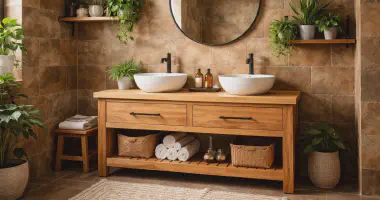
Bathroom Tap Finishes: Chrome, Brass, Matt Black and Beyond
The Finish You Choose Outlasts Every Other Bathroom Decision Tiles can be re-grouted. Paint can be refreshed in a weekend. But the finish on your taps, shower valves and accessories is permanent for the life of the fitting.
view this article Read more
Top 10 Shower Mixers You Can Buy in the UK
Why Your Shower Mixer Matters The shower mixer is the heart of your shower system. A good one delivers stable temperature, consistent flow and reliable performance for years.
view this article Read more
Bathroom Renovation Mistakes and How to Avoid Them
Why Bathroom Renovations Go Wrong Most bathroom renovations that end badly were doomed before the first tile came off the wall.
view this article Read more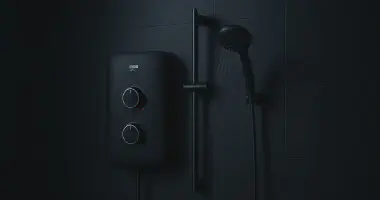
Electric Shower Not Working? Expert Troubleshooting Guide
Why Electric Showers Fail and What You Can Do About It Electric showers heat water on demand using a powerful element, drawing between 7.
view this article Read more
How Small Businesses Are Being Targeted by Fake Negative Reviews
What Fake Reviews Look Like Fake negative reviews usually follow a recognisable pattern. Some common red flags include: Vague or generic complaints – Reviews that lack specific details about the service, product, or experience.
view this article Read more
Asbestos in Bathrooms and Kitchens: Risks, Safety and UK Law
What Is Asbestos? Asbestos refers to a group of six naturally occurring silicate minerals made up of fine, durable fibres. Because of its strength and fire resistance, it was commonly used in insulation materials, roofing and flooring products, cement compounds, automotive parts and fireproof textiles.
view this article Read more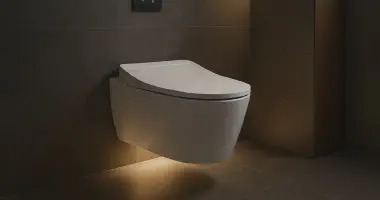
The Best Toilet Brands for Your Home: A UK Buyer's Guide
Choosing a Toilet Brand: What Actually Matters Selecting a toilet brand might seem less important than choosing a specific model, but the manufacturer behind your toilet determines the quality of the ceramic, the reliability of the flush mechanism, the availability of spare parts years down the line, and the level of after-sales support when something eventually needs attention.
view this article Read more
Bathroom Remodelling Ideas for Greater Manchester Homeowners
Remodelling Ideas That Work for Manchester Homes Greater Manchester homes come with character. Victorian terraces in Didsbury, semi-detached houses in Prestwich, post-war estates in Salford, new builds in Trafford.
view this article Read more
How to Find the Best Bathroom Fitters Near You
Finding a Bathroom Fitter You Can Trust Searching for “bathroom fitters near me” returns dozens of results, but a Google listing tells you almost nothing about whether a contractor will deliver quality work on time, stay within budget, and stand behind their installation for years to come.
view this article Read more