
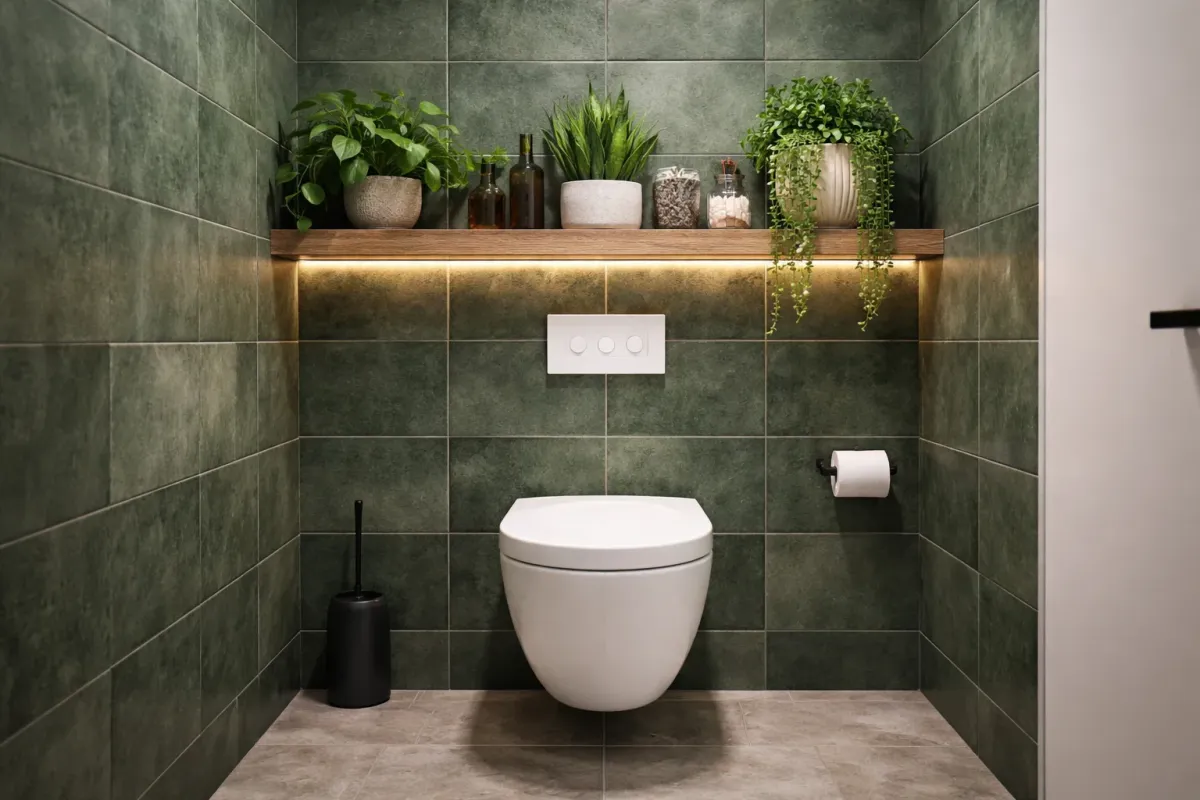
Mastering the Art of Bathroom Cleaning
Surface-specific bathroom cleaning guide covering safe products for natural stone, acrylic, chrome and grout plus UK mould prevention tips.
Why the Wrong Cleaning Product Causes More Damage Than Dirt
Most bathroom damage does not come from daily use. It comes from cleaning. The wrong product on the wrong surface strips sealant from natural stone, dulls chrome finishes, scratches acrylic baths and dissolves grout joints that took your tiler hours to perfect. The bathroom industry sees this pattern repeatedly, and it is almost always avoidable.

This guide covers which products are safe for each bathroom surface, which ones cause permanent harm, and how to build a cleaning routine that keeps your bathroom spotless without shortening the lifespan of the materials you have invested in. Every recommendation is UK-specific, referencing products available on British high streets and supermarket shelves.
Know Your Surfaces Before You Reach for a Bottle
The single most important rule in bathroom cleaning is this: not every surface can tolerate the same product. A cleaner that works brilliantly on ceramic tiles will destroy a marble vanity top. A cream cleanser that shifts limescale from a steel bath will leave permanent scratches on an acrylic one. Before cleaning anything, identify the material.
Most UK bathrooms contain a combination of these surfaces: ceramic or porcelain tiles, natural stone (marble, limestone, travertine, slate), acrylic or steel baths, chrome or brushed nickel taps and fittings, glass shower screens, grouted joints, and silicone sealant. Each has different tolerances, and each requires a different approach.
Ceramic and Porcelain Tiles
Glazed ceramic and porcelain tiles are the most forgiving bathroom surface. Their fired glaze resists most household chemicals, and they tolerate both acidic and alkaline cleaners without damage. A general-purpose bathroom spray such as Cif Power & Shine or Method Bathroom Cleaner handles routine cleaning. For heavier limescale deposits, Viakal (£2.68 to £6.00 depending on size) dissolves calcium buildup without harming the glaze.
The vulnerable point is not the tile itself but the grout between tiles. Acidic cleaners that are perfectly safe on glazed porcelain will erode cementitious grout over time if left in contact for more than a few minutes. Spray, leave for 30 to 60 seconds, scrub with a nylon brush, and rinse thoroughly. Never let acidic products sit on grout lines for extended periods.
Natural Stone
Natural stone requires the most careful handling of any bathroom surface. Marble, limestone and travertine are calcium-based stones with a Mohs hardness of just 3 to 4, which means they react chemically with acids. Vinegar, lemon juice, Viakal, Cillit Bang and any product containing hydrochloric or phosphoric acid will etch the surface permanently, leaving dull spots that cannot be removed without professional re-polishing.
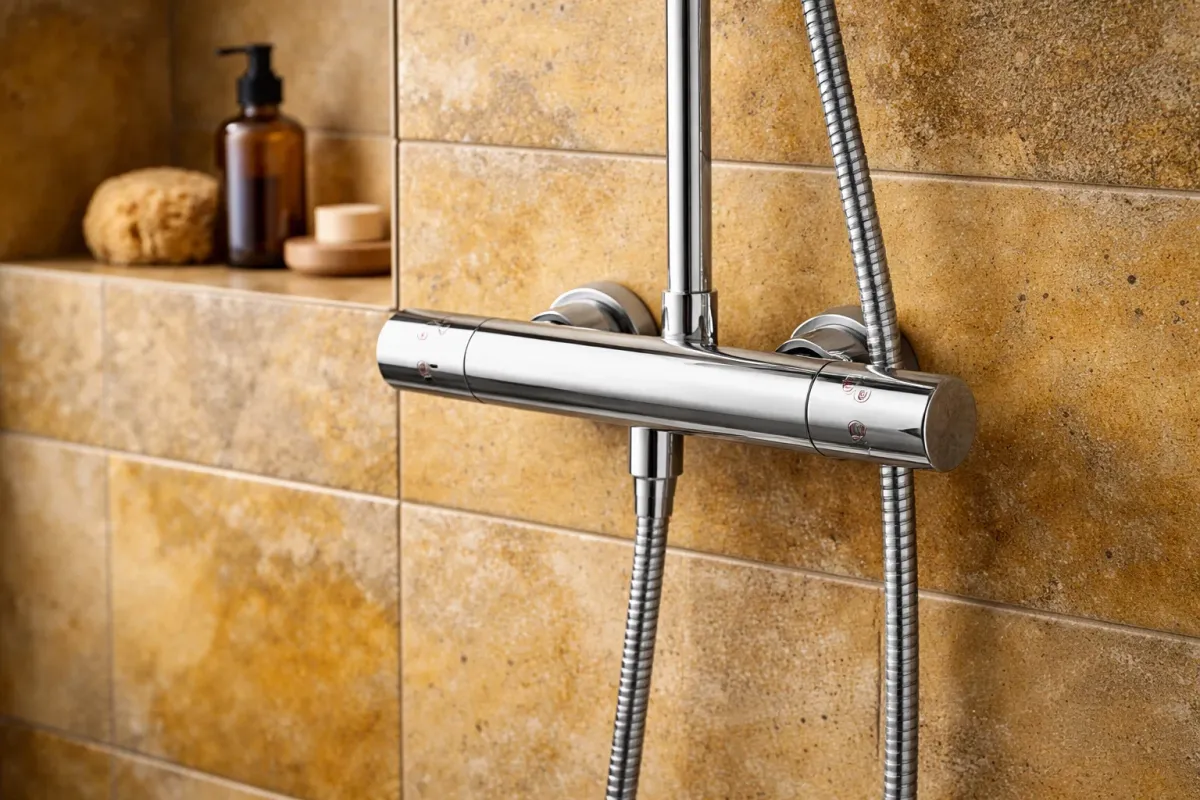
Use only pH-neutral stone cleaners. LTP Waxwash (around £8 for 1 litre) and Fila Cleaner (around £11 for 1 litre) are formulated specifically for natural stone. For daily maintenance, warm water with a few drops of washing-up liquid and a soft microfibre cloth is all that is needed. Dry the stone after each use to prevent water marks building up. If you are choosing new bathroom tiles, understanding the maintenance demands of each material matters as much as the aesthetic.
Slate is an exception among natural stones. It has a denser, less porous structure and tolerates slightly acidic cleaners, though pH-neutral products remain the safest choice.
Acrylic Baths and Shower Trays
Acrylic is lightweight, warm to the touch and affordable, but it scratches easily. Cream cleansers like Cif Original, Barkeeper’s Friend and The Pink Stuff will all leave fine scratches on acrylic surfaces. Those scratches are invisible at first but accumulate over months until the surface looks permanently dull and grey.
Clean acrylic with a soft cloth, warm water and a non-abrasive liquid cleaner. Ecover Bathroom Cleaner and Method Bathroom Cleaner are both safe. For stubborn marks, a paste of bicarbonate of soda (not baking powder) applied gently with a soft cloth works without scratching. Never use scouring pads, magic erasers or any product labelled “abrasive” on acrylic.
Steel and cast iron baths with enamel coatings are tougher. They tolerate cream cleansers and most bathroom sprays, though abrasive pads will still damage the enamel over time.
Chrome, Brushed Nickel and Black Taps
Chrome-plated taps have a thin metallic coating (typically 0.25 to 0.50 microns thick) that polishes beautifully but scratches if cleaned with anything abrasive. Use a soft microfibre cloth dampened with warm water for daily wiping. For water spots and light limescale, a 50/50 solution of white vinegar and water applied with a soft cloth and buffed dry works well on chrome.
Brushed nickel and matt black finishes are more delicate. Many manufacturers, including Grohe and Hansgrohe, specifically warn against using acidic cleaners, limescale removers or abrasive cloths on brushed and coated finishes. Check the care instructions that came with your taps. If in doubt, warm water and a microfibre cloth is always safe. For guidance on tap types and their maintenance requirements, our bathroom taps buying guide covers the full range of finishes and mechanisms.
Glass Shower Screens
Glass is hard-wearing but shows water spots and soap scum readily. The most effective approach is prevention: use a squeegee after every shower to remove standing water before it dries and deposits minerals. This takes 15 seconds and eliminates most of the cleaning problem at source.
For existing buildup, Viakal or HG Limescale Remover (around £4.50 for 500ml) sprayed on and left for two to three minutes dissolves mineral deposits. Rinse thoroughly and squeegee dry. Avoid razor blade scrapers on coated glass screens, as many modern screens have an anti-limescale coating (such as Merlyn’s Mershield) that a blade will damage.
Grout Care That Actually Works
Grout is the weakest link in any tiled bathroom. Cementitious grout is porous, absorbs moisture and stains, and provides an ideal surface for mould spores to colonise. The difference between grout that stays clean for years and grout that turns black within months comes down to two things: sealing and ventilation.
After installation, cementitious grout should be sealed with a penetrating grout sealer once fully cured (typically 72 hours). LTP Groutshield (around £12 for 600ml) and Mapei Keranet are both widely available in UK tile shops. Reapply every 12 to 18 months, or annually in shower enclosures where water exposure is constant. Epoxy grout, which is becoming increasingly popular in wet rooms and shower enclosures, does not require sealing and resists staining and mould far more effectively than cement-based alternatives.
For grout that has already discoloured, HG Grout Cleaner (around £5.50 for 500ml) is formulated specifically for the job. Apply with a stiff nylon brush, leave for five minutes, and scrub along the grout lines. For severe mould staining in grout, HG Mould Spray (£4.29 to £5.38) contains a higher concentration of active sodium hypochlorite than standard bathroom sprays and is more effective on deep-set mould. The distinction between grout maintenance and tile maintenance matters. If you are weighing up whether panels or tiles suit your bathroom better, grout upkeep is one of the key factors.
Mould Prevention Before It Starts
Mould is not primarily a cleaning problem. It is a ventilation problem. Black mould (Stachybotrys chartarum and Aspergillus niger are the most common species in UK bathrooms) thrives in environments with sustained relative humidity above 70 percent and poor air circulation. No amount of scrubbing will keep mould away permanently if the underlying moisture is not addressed.
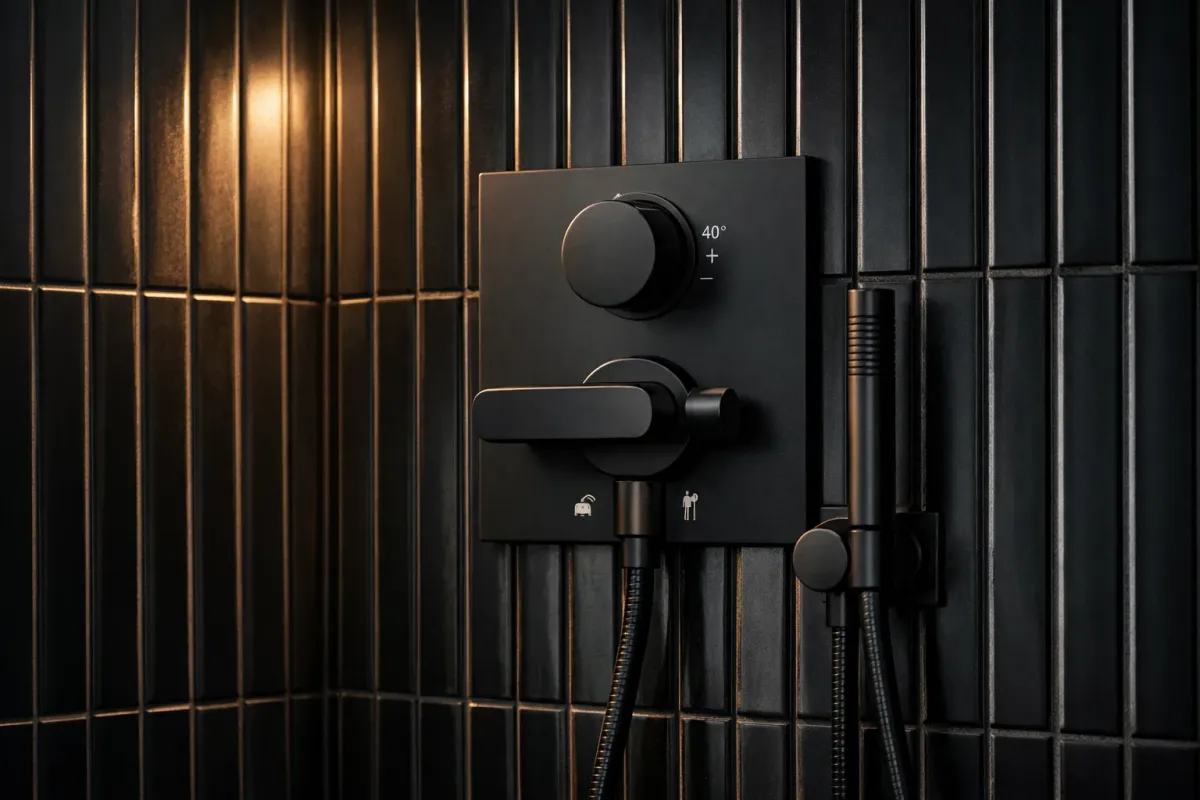
The UK Building Regulations Part F (2022 revision) requires bathrooms to have mechanical extract ventilation capable of 15 litres per second for intermittent fans or 8 litres per second for continuous running systems. If your bathroom fan struggles to clear steam within 15 to 20 minutes of a shower, it is likely underperforming. Humidity-sensing extractor fans that activate automatically when moisture levels rise and continue running until humidity drops below a threshold are the most effective solution. They cost £40 to £120 and fit into a standard 100mm duct.
Beyond ventilation, practical habits make a significant difference. Leave the bathroom door open after showering to allow cross-ventilation. Keep a gap between the shower curtain or screen and the wall to allow air circulation. Avoid drying wet towels over the shower screen or bath where they hold moisture against surfaces. Bathroom underfloor heating also helps, as the warmth drives moisture from tile and grout surfaces more quickly than an unheated floor.
When mould does appear, act early. For small patches on grout or silicone, spray with HG Mould Spray or Astonish Mould & Mildew Blaster (around £0.95 from B&M and Home Bargains), leave for 10 to 15 minutes, and wipe clean. Always ventilate the room well when using bleach-based mould sprays. For mould on silicone sealant that does not respond to surface treatment, the sealant itself needs replacing. Bathroom silicone has a functional lifespan of three to five years in shower areas and five to ten years elsewhere. Once mould has penetrated below the surface, no cleaning product will remove it.
Limescale and Water Hardness
The severity of limescale buildup depends entirely on your local water hardness. Manchester and much of the North West benefits from soft water supplied by United Utilities, typically measuring 30 to 50 parts per million (ppm). This is among the softest mains water in England, and it means limescale is a minor issue compared to the South East, where readings of 200 to 350 ppm are common.
In soft water areas, a weekly wipe with a damp microfibre cloth and occasional use of a general bathroom spray keeps limescale under control. In hard water areas, regular use of Viakal, HG Professional Limescale Remover or a 50/50 white vinegar solution on glass and chrome prevents buildup from calcifying into stubborn deposits. The key is frequency. Limescale that is wiped away weekly stays soft and easy to remove. Limescale left for months hardens and bonds chemically with the surface beneath it, requiring more aggressive intervention.
For showerheads clogged with mineral deposits, unscrew the head and soak it in a bowl of white vinegar for two to four hours. The acetic acid dissolves calcium carbonate without damaging the chrome or plastic components. Rinse thoroughly and refit.
A Maintenance Schedule That Prevents Problems
The most effective bathroom cleaning is little and often. Heavy periodic cleans are less effective than consistent light maintenance, and they increase the risk of using aggressive products out of frustration with built-up grime.
| Frequency | Tasks |
|---|---|
| After every shower | Squeegee glass screen, wipe taps dry |
| Daily | Quick wipe of basin and taps with microfibre cloth |
| Weekly | Clean toilet (inside and out), wipe all tiled surfaces, clean mirrors, mop floor |
| Monthly | Deep clean grout lines, descale showerhead, clean extractor fan grille |
| Quarterly | Check silicone sealant for mould or peeling, re-grout any cracked joints |
| Annually | Reseal cementitious grout, replace silicone if needed, service extractor fan |
This schedule assumes a household of two to four people using the bathroom daily. Busy family bathrooms or en-suites with heavy use may need weekly grout attention rather than monthly. For a step-by-step cleaning routine, our companion guide covers the process from start to finish.
Products to Avoid
Some widely recommended bathroom cleaning products cause more problems than they solve when used on the wrong surface.
The Pink Stuff has become enormously popular through social media, but it is an abrasive paste. It will scratch acrylic baths, acrylic shower trays, brushed nickel taps, and coated glass screens. Its proper use is on hard, non-coated surfaces like ceramic hobs, ovens and unglazed ceramic tiles.
Bleach is effective against mould but attacks metal fittings, discolours coloured grout, and degrades silicone sealant over time. Use it sparingly and never leave it in contact with chrome, brass or silicone for more than a few minutes.
Vinegar is a safe, effective, inexpensive cleaner for glass, chrome and ceramic, but it must never be used on natural stone, unsealed grout or marble. The acetic acid etches calcium-based materials permanently.
Wire wool and scouring pads should never be used in a bathroom. Even on surfaces that feel hard, the micro-scratches they create trap dirt and bacteria, making the surface harder to clean in the long term. Nylon brushes and microfibre cloths handle every bathroom cleaning task without causing damage.
Professional Bathroom Care
If your bathroom surfaces have already suffered damage from incorrect cleaning, or if persistent mould suggests a ventilation or waterproofing issue, professional assessment can identify the root cause. Our bathroom remodelling team can survey your bathroom, advise on material replacement where needed, and ensure ventilation meets current Building Regulations. Sometimes the most effective “clean” is a targeted renovation that replaces damaged grout, sealant or surfaces with materials better suited to the conditions.
Frequently Asked Questions
Can I use vinegar to clean my bathroom?
How do I remove black mould from bathroom silicone?
Is The Pink Stuff safe for bathroom cleaning?
How often should I reseal bathroom grout?
Why does my bathroom get mouldy even though I clean it regularly?
Do I need different cleaners for different bathroom surfaces?
How do I prevent limescale in a hard water area?
Past Projects


Get a Free Quote
Book a free, no-obligation site survey. Call us on 07428 653 653 or request a callback.
Book Free SurveyOur Clients' Reviews

5/5

5/5

5/5

5/5

5/5
Based on 453+ verified reviews across all platforms
Related Articles

How Much Does a New Bathroom Cost in 2026? UK Pricing Guide
What a New Bathroom Really Costs in 2026 The question every homeowner asks before a bathroom renovation is the same. How much? The answer depends on what you want, what you have already, and how much of the existing layout you intend to keep. But the data from thousands of UK projects gives us a clear picture.
view this article Read more
Bathroom Renovation Guide: Every Stage From Start to Finish
What a Bathroom Renovation Actually Involves A complete bathroom renovation is one of the most rewarding home improvement projects you can undertake, but it is also one of the most misunderstood. Homeowners frequently picture the finished result without appreciating the sequence of skilled trades and carefully timed stages that make it happen. Every professional bathroom renovation follows a logical order, and understanding that order is the single most important thing you can do before your project begins.
view this article Read more
Bathroom Tiling Styles for Timeless Elegance
Why Layout Matters More Than the Tile Itself
view this article Read more
Quartz, Granite or Porcelain Worktops: Which Suits Your Kitchen?
The Three-Way Decision Most Kitchen Renovations Come Down To
view this article Read more
Ceramic Disc Technology in Bathroom Taps: How It Works
The Technology Inside Almost Every Modern Tap If your bathroom taps turn with a smooth quarter-turn rather than two and a half rotations, they contain ceramic disc cartridges. This technology has become so dominant that it is now difficult to buy a new tap in the UK that does not use it. Yet most homeowners have no idea how it works, why it fails, or what to do when a ceramic disc tap starts dripping.
view this article Read more

How to Choose an Electrical Bathroom Mirror
What an Electrical Bathroom Mirror Actually Does
view this article Read more
Best Bathroom and Toilet Brands in the UK
What Makes a Good Bathroom Brand The brand name on your toilet, basin or shower valve determines far more than the price tag. It affects how long the product lasts, how easy it is to get replacement parts in five or ten years, whether the finish holds up to daily cleaning, and how well the engineering behind the product actually performs in a real bathroom rather than a showroom.
view this article Read more
Bathroom Underfloor Heating: Types, Installation and What to Expect
Why Underfloor Heating Works So Well in Bathrooms Stepping onto a warm bathroom floor on a cold January morning is one of those small luxuries that, once experienced, becomes very difficult to give up. Underfloor heating has grown from a niche luxury into a genuinely practical heating solution for UK bathrooms, and the reasons go well beyond comfort.
view this article Read more
Tools Required for Bathroom Fitting: The Professional Trade Toolkit
The Professional Bathroom Fitter’s Complete Toolkit Every professional bathroom fitter knows that quality tools are an investment, not an expense. The difference between a flawless installation and a problematic one often comes down to having the right equipment for the job. Over years of bathroom fitting projects across Greater Manchester, we have refined our toolkit to include everything a trade professional needs on site.
view this article Read more
What You Need to Know Before Your Kitchen Renovation
The Gap Between Expectation and Reality A kitchen renovation is not a weekend project. The 2025 Houzz UK Kitchen Trends Study found that 71 percent of homeowners change their kitchen layout during a renovation, and the median spend rose 34 percent year on year to £17,500. Those numbers tell you two things. First, most people end up doing more work than they originally planned. Second, the costs are significant enough that poor preparation leads to genuinely painful surprises.
view this article Read more
Accessible Bathroom Design: UK Regulations, Grants and Guide
Why Accessible Bathroom Design Matters Around 16.8 million people in the United Kingdom have a disability. That is one in four of the population, according to the DWP Family Resources Survey 2023/24, and the figure has risen by 4.9 million over the past decade. Among adults over State Pension age, 45 percent are disabled. The most common impairment types for working-age adults are mental health conditions (48 percent) and mobility impairments (42 percent).
view this article Read more