
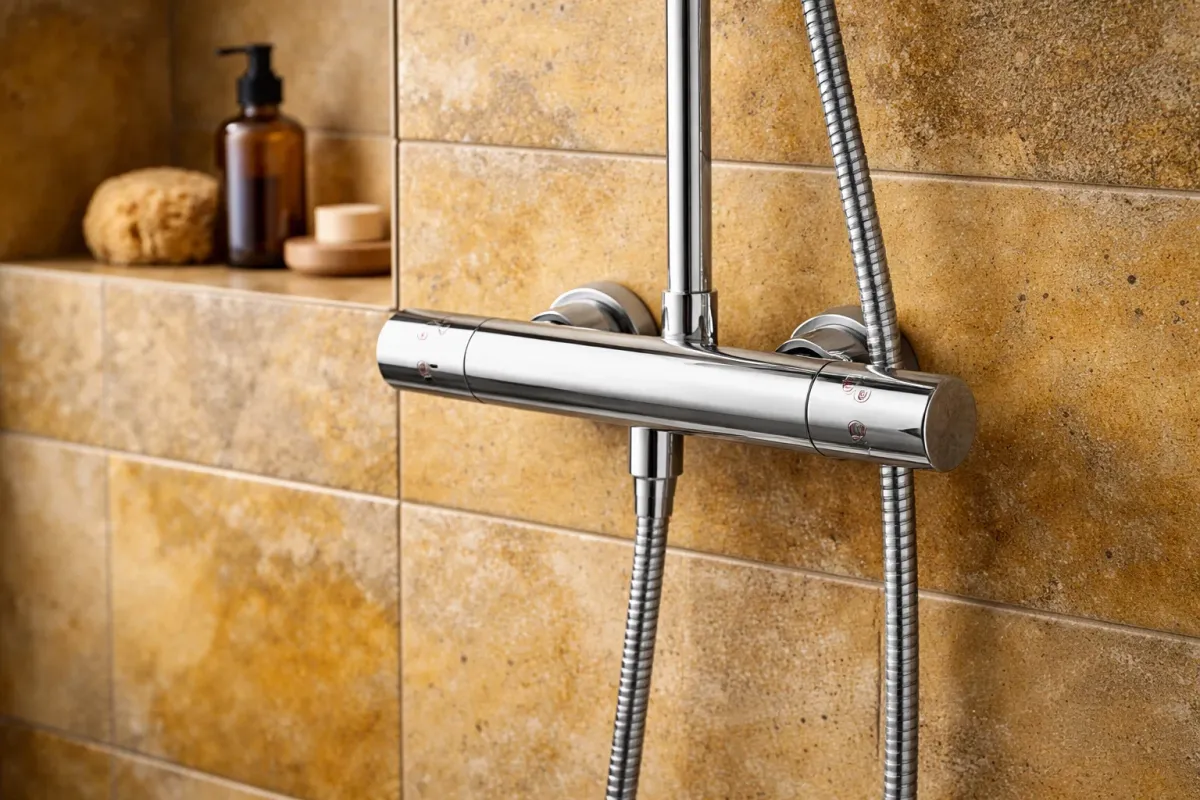
How Much Does a New Bathroom Cost in 2026? UK Pricing Guide
UK bathroom renovation costs for 2026 with full breakdown of labour, materials and hidden fees. Budget to luxury pricing from real project data.
What a New Bathroom Really Costs in 2026
The question every homeowner asks before a bathroom renovation is the same. How much? The answer depends on what you want, what you have already, and how much of the existing layout you intend to keep. But the data from thousands of UK projects gives us a clear picture.
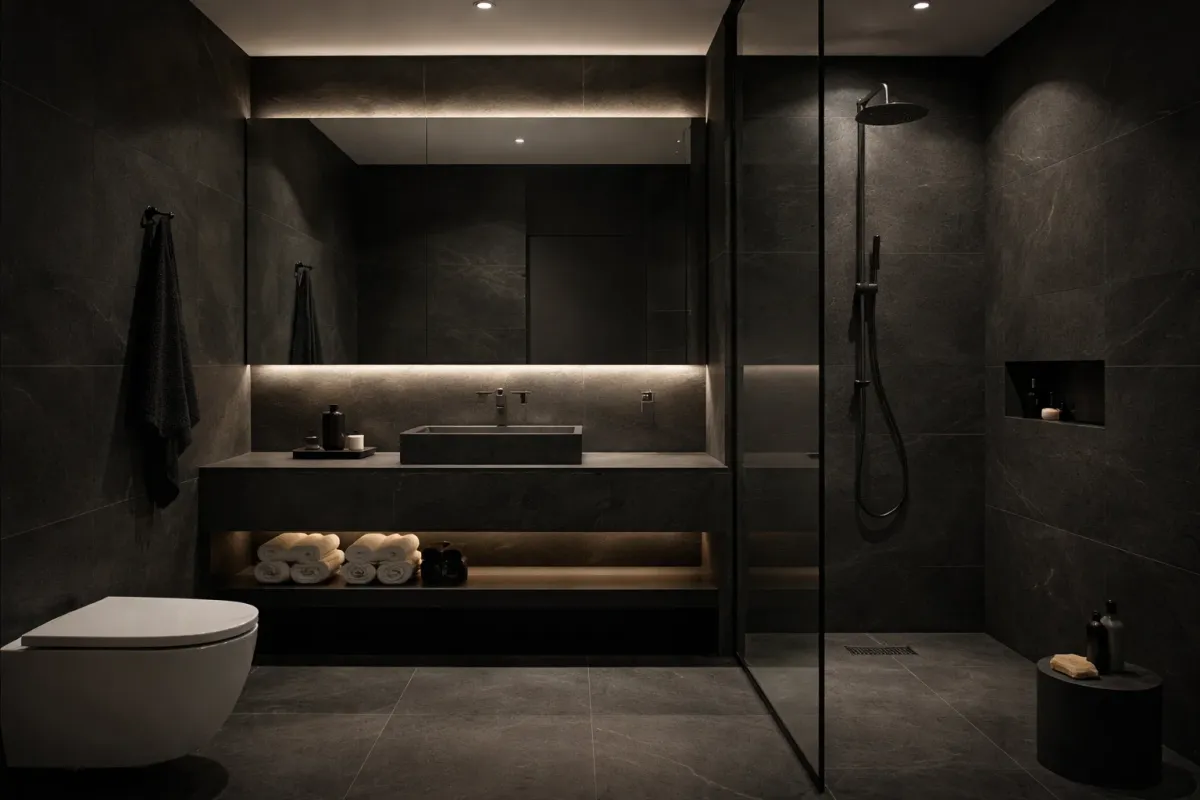
The UK average for a standard bathroom renovation in 2026 sits at approximately £7,000. That figure comes from multiple independent sources including Checkatrade, Victorian Plumbing and the 2024 Houzz UK Bathroom Trends Study, which recorded a median primary bathroom spend of £7,000, up 33 percent from £5,250 the previous year. The good news is that overall home improvement prices have fallen roughly 25 percent since their 2023 peak, according to Homebuilding and Renovating magazine. Material supply chains have normalised, energy costs affecting manufacturing have reduced, and while skilled labour remains in demand, the acute inflationary pressure of 2022 to 2024 has eased.
This guide breaks down where that money goes, what affects the final figure most, and where you can realistically save without compromising the finished result. For a personalised estimate based on your specific room and requirements, try our bathroom renovation cost calculator.
Cost by Renovation Type
Not every bathroom renovation is the same scope. A cosmetic refresh that keeps the existing suite in place costs a fraction of a full strip-out and redesign. Here is what each level typically involves and what it costs across the UK in 2026.
Budget Refresh: £2,000 to £4,500
A budget refresh keeps the existing bathroom layout and plumbing positions. It might include new tiles over the shower area, fresh paint, updated accessories, a replacement toilet seat, new taps, and perhaps a shower screen. The suite stays where it is. No plumbing gets moved. This is the fastest and least disruptive option, typically completed in three to five working days.
Mid-Range Renovation: £5,000 to £9,000
This is the most common project we carry out across Greater Manchester. It involves stripping out the old bathroom completely, installing a new suite (toilet, basin, bath or shower), full wall and floor tiling, new brassware, updated lighting, and a heated towel rail. The layout stays broadly the same, which keeps plumbing costs down. A standard mid-range renovation takes eight to fifteen working days.
Full Renovation with Layout Changes: £9,000 to £15,000
When you want to move the toilet, relocate the shower, swap a bath for a walk-in wet area, or reconfigure the room entirely, costs increase significantly. Moving plumbing positions means altering waste pipes and potentially the soil stack, which is specialist work. Structural changes like removing a wall to combine a separate WC with the bathroom add further cost. These projects typically run three to five weeks.
Luxury or Bespoke: £15,000 to £25,000+
High-end fixtures, designer tiles, freestanding baths, bespoke vanity units, underfloor heating, custom glass enclosures and premium finishes like brushed brass brassware throughout. Luxury projects also tend to involve larger bathrooms (6 to 10 square metres or more) and often include features like recessed LED lighting, built-in speakers and heated mirrors. The 2025 Houzz UK study found that the top 10 percent of renovating homeowners spent £169,000 on their overall projects, with bathrooms forming a substantial share.
Cost by Bathroom Type
The size and purpose of the bathroom affects cost more than most people expect. A useful rule of thumb is £1,500 to £2,200 per square metre for a standard-specification renovation, fully fitted.
| Bathroom Type | Typical Size | Cost Range | Average |
|---|---|---|---|
| Cloakroom or WC | 1–2 sqm | £1,500–£4,000 | £2,800 |
| En-suite | 2–4 sqm | £3,500–£10,000 | £5,000 |
| Main family bathroom | 4–6 sqm | £5,000–£12,000 | £7,500 |
| Large or master bathroom | 6–10 sqm | £8,000–£20,000+ | £12,000 |
| Wet room conversion | 3–6 sqm | £4,000–£12,000 | £6,500 |
En-suites are smaller but often cost more per square metre than larger bathrooms because the plumbing and labour time does not scale proportionally. A shower room fitting in a 3 square metre en-suite still requires first-fix plumbing, electrical work, waterproofing, tiling and a second-fix installation, the same sequence as a room twice the size.

Materials Breakdown
Materials typically account for 40 to 50 percent of the total project cost. Here is what the main components cost at each quality level in 2026.
Sanitaryware
| Item | Budget | Mid-Range | Premium |
|---|---|---|---|
| Close-coupled toilet | £50–£150 | £150–£300 | £300–£800+ |
| Basin (pedestal or wall-hung) | £50–£150 | £150–£350 | £350–£600+ |
| Standard acrylic bath | £80–£250 | £250–£650 | £650–£2,000+ |
| Freestanding bath | — | £500–£800 | £800–£2,500+ |
| Shower tray (stone resin) | £100–£200 | £200–£350 | £350–£500 |
A complete budget suite (toilet, basin and bath) starts from around £200 to £400. A mid-range suite from brands like Ideal Standard, Roca or RAK Ceramics typically costs £500 to £1,000. For a detailed look at toilet options and the brands behind them, see our dedicated guides.
Tiles
Tiles are often the single largest materials cost in a bathroom renovation. A typical family bathroom (roughly 20 to 25 square metres of wall and floor area) costs £1,500 to £3,500 for supply and labour combined.
| Tile Type | Cost per sqm (supply) |
|---|---|
| Budget ceramic | £15–£25 |
| Mid-range porcelain | £25–£50 |
| Large-format porcelain | £50–£100 |
| Natural stone (marble, slate) | £40–£80+ |
| Adhesive, grout and sealant | Add £10–£20 per sqm |
Modern porcelain tiles convincingly replicate marble and natural stone at a fraction of the cost, and they are significantly easier to maintain. To work out how many tiles and how much grout your bathroom needs, use our tile and grout calculator before placing your order. For a comparison of tiles versus wall panels, our guide covers the practical and cost differences.
Brassware and Shower
| Item | Budget | Mid-Range | Premium |
|---|---|---|---|
| Basin mixer tap | £30–£60 | £65–£150 | £150–£400+ |
| Bath mixer tap | £40–£100 | £100–£200 | £200–£500+ |
| Thermostatic shower valve | £80–£150 | £150–£300 | £300–£600 |
| Shower enclosure | £150–£350 | £350–£600 | £600–£2,000 |
| Walk-in glass panel | £250–£500 | £500–£900 | £900–£2,000+ |
For help choosing taps, see our bathroom tap buying guide and our review of the top shower mixers available in the UK.
Other Materials
| Item | Typical Cost |
|---|---|
| Vanity unit (wall-hung, mid-range) | £200–£600 |
| Heated towel rail (supply and install) | £150–£450 |
| Electric underfloor heating (4–5 sqm) | £400–£800 installed |
| LED downlights (4–6 units, IP65 rated) | £350–£750 installed |
| Waterproofing and tanking | £300–£700 |
Underfloor heating is a popular upgrade that adds warmth and comfort. Electric mat systems are the most common choice for bathrooms, and at £60 to £100 per square metre installed, they add a manageable cost for a significant improvement in daily comfort.
Labour Costs
Labour accounts for 50 to 60 percent of a standard bathroom renovation. In Greater Manchester and the North West, trade rates sit roughly 10 to 15 percent below the national average and significantly below London and the South East.
| Trade | Manchester Rate | London Rate | Days |
|---|---|---|---|
| Bathroom fitter | £200–£300/day | £300–£500/day | 5–10 |
| Plumber | £200–£300/day | £300–£400/day | 2–3 |
| Electrician | £180–£280/day | £300–£350/day | 1–2 |
| Tiler | £150–£250/day | £250–£350/day | 3–5 |
| Plasterer | £150–£220/day | £250–£300/day | 1–2 |
A fully managed renovation from a single bathroom fitting company means one point of contact coordinating every trade. This avoids the scheduling conflicts, rework and communication breakdowns that happen when homeowners try to manage multiple tradespeople independently. For advice on finding and vetting a reliable fitter, see our guide to hiring bathroom fitters in Manchester.
Hidden Costs People Miss
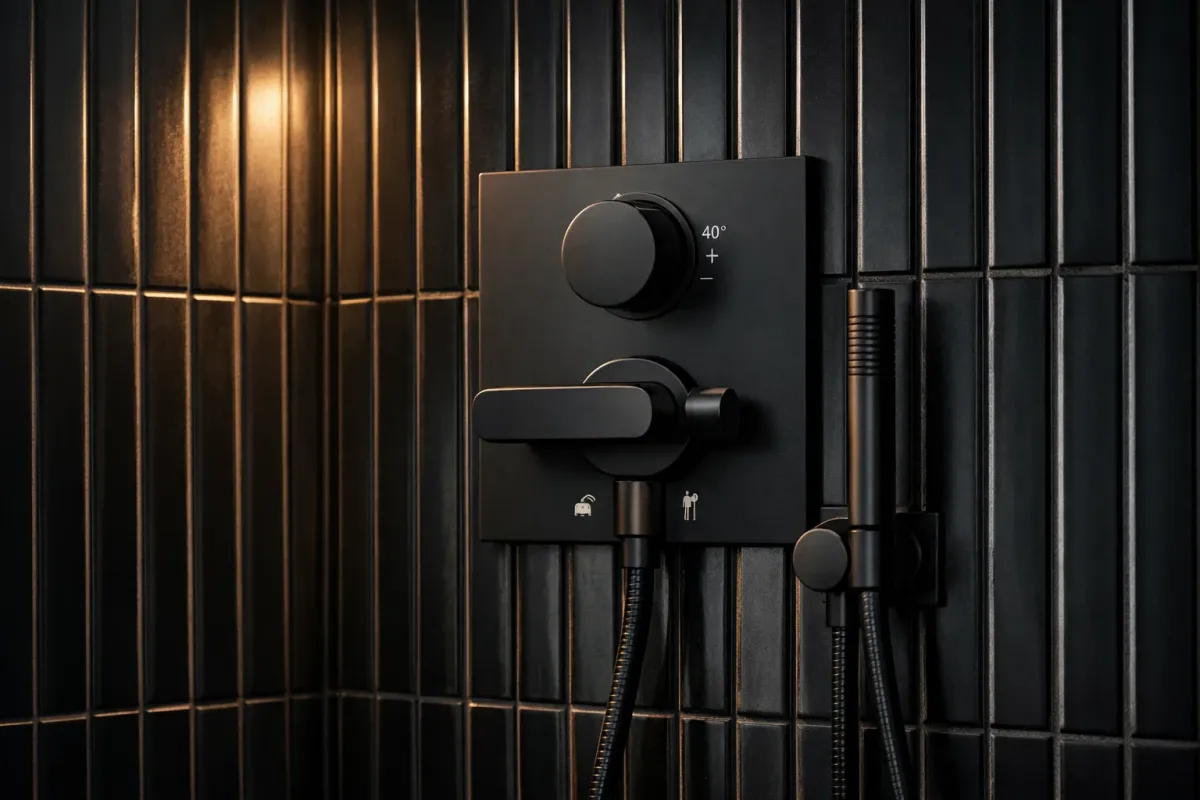
The quote you receive from a bathroom fitter should cover most of the work, but some costs catch homeowners off guard. Building a contingency of 10 to 15 percent into your budget protects against surprises.
| Hidden Cost | Typical Range |
|---|---|
| Strip-out and demolition | £300–£600 |
| Skip hire (4–6 yard) | £150–£350 |
| Building control, Part P | £150–£500 |
| Moving toilet or soil stack | £500–£1,500 |
| Rotten floorboards or joists | £200–£1,000+ |
| Asbestos testing and removal | £300–£1,000+ |
| Delivery charges | £30–£100+ |
The single biggest hidden cost is discovering structural problems behind the old tiles. Damp, rotten timber, failed waterproofing and outdated electrical wiring can all be lurking behind a bathroom that looks fine on the surface. A thorough bathroom renovation starts with a full strip-out precisely because it reveals these issues before new materials go on top of them. Our guide to avoiding costly mistakes in bathroom renovation covers the most common problems and how to prevent them.
What Drives the Price Up (and Down)
The biggest single cost variable is layout changes. Keeping the toilet, basin and bath or shower in their existing positions saves £1,500 to £3,000 in plumbing and waste pipe modifications. Moving a toilet means altering the soil stack connection, which is specialist work that adds time and cost to every project.
Material quality is the second biggest variable. A budget suite at £200 to £400 versus a premium suite at £1,000 to £2,500 represents a five to six times difference. Tiles range from £15 per square metre for basic ceramic to £100 or more for large-format porcelain. Choosing mid-range materials from reputable UK bathroom suppliers gives you durability and aesthetics without the premium price tag.
Bathroom size matters, but not linearly. Each additional square metre adds roughly £1,500 to £2,200 to the total, but the fixed costs of plumbing and electrical work apply regardless of room size. A 3 square metre en-suite does not cost half what a 6 square metre family bathroom costs.
Location affects labour rates. Manchester and the North West are 10 to 15 percent below the UK national average for trade rates. London and the South East are 10 to 25 percent above average. The same renovation with the same materials costs measurably less in Greater Manchester than in central London.
How Long Does It Take?
| Project Type | Duration | Notes |
|---|---|---|
| Cosmetic refresh | 3–5 days | No plumbing changes |
| Like-for-like suite swap | 5–7 days | Same positions, minimal pipework |
| Standard full renovation | 8–15 days | New suite, full tiling |
| Layout or structural changes | 15–25 days | Plumbing relocation, wall removal |
| Wet room conversion | 10–20 days | Extra time for tanking and curing |
A standard renovation follows a predictable sequence. Demolition and strip-out (one to two days), first-fix plumbing and electrics (two to three days), plastering and wall preparation (one to two days), waterproofing where needed (one to two days plus drying time), tiling (three to five days), second-fix plumbing and suite installation (two to three days), second-fix electrics and painting (one to two days), and final accessories and snagging (half a day to one day).
How to Save Money Without Cutting Corners
The most effective savings come from decisions, not compromises.
Keep the existing layout. This is the single most impactful saving, worth £1,500 to £3,000. If the current plumbing positions work for the new design, leave them where they are.
Supply your own materials. Research online retailers like Victorian Plumbing and BigBathroomShop, and buy during sales or clearance events. Overstock and end-of-line tiles regularly sell at 30 to 50 percent below standard retail. Some fitters charge a handling fee for customer-supplied materials, so discuss this upfront.
Tile selectively. Full floor-to-ceiling tiling is beautiful but expensive. Tiling the wet areas (shower zone, behind the basin, around the bath) and using moisture-resistant paint elsewhere can reduce tiling costs by 20 to 40 percent while still looking deliberate and well-designed.
Choose porcelain over natural stone. Modern porcelain tiles replicate marble, slate and travertine convincingly. The cost difference is substantial (£25 to £50 per square metre for porcelain versus £40 to £80 for natural stone), and porcelain is easier to maintain.
Get at least three written quotes. Compare them line by line, ensuring each covers the same scope. The cheapest quote is not always the best value, and the most expensive is not automatically the highest quality. Our guide on finding bathroom fitters near you explains what to look for in a quote and what red flags to watch for.
Book outside peak season. Tradespeople are busiest in spring and summer. Autumn and winter bookings may attract better rates and shorter lead times.
Frequently Asked Questions
How much does a mid-range bathroom renovation cost in the UK?
What is the most expensive part of a bathroom renovation?
How long does a bathroom renovation take?
Is a bathroom renovation cheaper in Manchester than London?
How much does an en-suite bathroom cost?
How much does a wet room conversion cost?
What contingency should I budget for a bathroom renovation?
Can I save money by doing some of the work myself?
Past Projects


Get a Free Quote
Book a free, no-obligation site survey. Call us on +44 7428 653 653 or request a callback.
Book Free SurveyOur Clients' Reviews

5/5

5/5

5/5

5/5
Based on 453+ verified reviews across all platforms
Related Articles

Bathroom Remodelling vs Renovation: Which Do You Need?
Two Words That Mean Very Different Things Homeowners searching for bathroom help online run into a persistent confusion. One company advertises bathroom renovation.
view this article Read more
Bathroom Renovation Guide: Every Stage From Start to Finish
What a Bathroom Renovation Actually Involves A complete bathroom renovation is one of the most rewarding home improvement projects you can undertake, but it is also one of the most misunderstood.
view this article Read more
Bathroom Tiling Styles for Timeless Elegance
Why Layout Matters More Than the Tile Itself A bathroom tile is a raw ingredient. The layout pattern is the recipe.
view this article Read more
Quartz, Granite or Porcelain Worktops: Which Suits Your Kitchen?
The Three-Way Decision Most Kitchen Renovations Come Down To Once you have decided that laminate is not enough and solid wood is not right for your cooking habits, the conversation narrows quickly.
view this article Read more
Ceramic Disc Technology in Bathroom Taps: How It Works
The Technology Inside Almost Every Modern Tap If your bathroom taps turn with a smooth quarter-turn rather than two and a half rotations, they contain ceramic disc cartridges.
view this article Read more
Fitting Kitchen Worktops: The Complete Installation Guide
From Order to Fitted The worktop is one of the last things fitted in a kitchen renovation and one of the first things to go wrong if the process is rushed.
view this article Read more
How to Choose an Electrical Bathroom Mirror
What an Electrical Bathroom Mirror Actually Does An electrical bathroom mirror is a permanently wired fixture that combines a mirror with integrated LED lighting, and often a demister pad, Bluetooth speakers, a shaver socket, or adjustable colour temperature.
view this article Read more
Best Bathroom and Toilet Brands in the UK
What Makes a Good Bathroom Brand The brand name on your toilet, basin or shower valve determines far more than the price tag.
view this article Read more
Bathroom Underfloor Heating: Types, Installation and What to Expect
Why Underfloor Heating Works So Well in Bathrooms Stepping onto a warm bathroom floor on a cold January morning is one of those small luxuries that, once experienced, becomes very difficult to give up.
view this article Read more
Tools Required for Bathroom Fitting: The Professional Trade Toolkit
The Professional Bathroom Fitter’s Complete Toolkit Every professional bathroom fitter knows that quality tools are an investment, not an expense. The difference between a flawless installation and a problematic one often comes down to having the right equipment for the job.
view this article Read more
What You Need to Know Before Your Kitchen Renovation
The Gap Between Expectation and Reality A kitchen renovation is not a weekend project. The 2025 Houzz UK Kitchen Trends Study found that 71 percent of homeowners change their kitchen layout during a renovation, and the median spend rose 34 percent year on year to £17,500.
view this article Read more
Accessible Bathroom Design: UK Regulations, Grants and Guide
Why Accessible Bathroom Design Matters Around 16.8 million people in the United Kingdom have a disability. That is one in four of the population, according to the DWP Family Resources Survey 2023/24, and the figure has risen by 4.
view this article Read more