
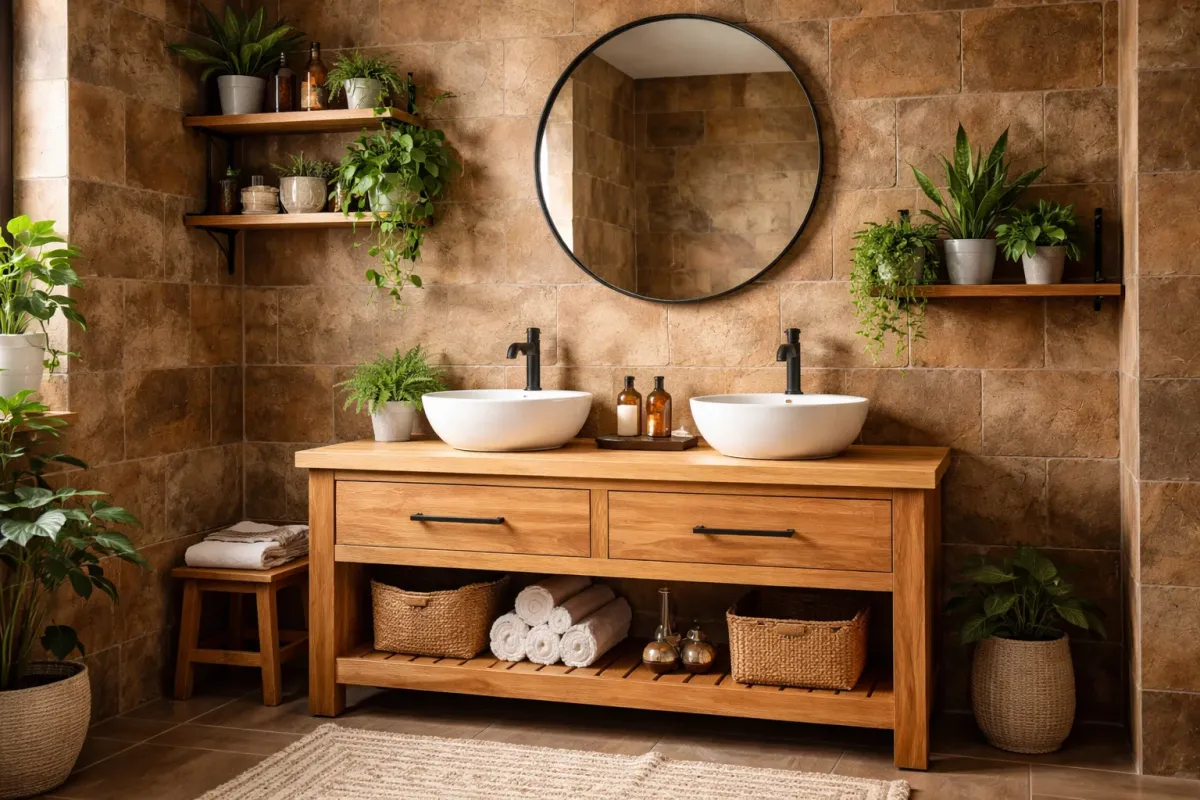
Bathroom Tap Finishes: Chrome, Brass, Matt Black and Beyond
Compare bathroom tap finishes available in the UK. Durability, maintenance, cleaning and warranty data for chrome, brass, matt black and more.
The Finish You Choose Outlasts Every Other Bathroom Decision
Tiles can be re-grouted. Paint can be refreshed in a weekend. But the finish on your taps, shower valves and accessories is permanent for the life of the fitting. Choose a finish that scratches, tarnishes or shows every water spot, and you will notice it every time you wash your hands for the next decade.

The UK bathroom market now offers more finish options than at any point in its history. Chrome is no longer the only serious choice. Brushed brass, matt black, brushed nickel, gunmetal and brushed gold have all moved from niche showroom displays into mainstream renovation specifications. Each finish looks different, wears differently, cleans differently and carries different warranty terms depending on the manufacturer and the coating technology used.
This guide covers every finish available in the UK market, explains the manufacturing processes behind them, and provides the cleaning and maintenance protocols that keep each one looking as it should. If you are choosing taps rather than maintaining existing ones, our bathroom taps buying guide covers water pressure, valve types and basin configurations alongside finish selection.
How Bathroom Finishes Are Made
Three manufacturing processes produce virtually every tap finish on the UK market. Understanding which process your taps use determines how durable the finish will be and how you should clean it.
Electroplating
The traditional and most widespread method. The brass tap body passes through a series of chemical baths where electrical current deposits thin layers of metal onto the surface. Standard chrome plating involves a copper base layer, one or more nickel layers (providing corrosion resistance and reflectivity) and a final decorative chrome layer typically 0.25 to 0.50 microns thick. The total multi-layer coating reaches 10 microns or more. Electroplating is proven, cost-effective and the basis for every chrome tap on the market. Modern manufacturers increasingly use trivalent chromium for the final layer, which is over 500 times less toxic than the older hexavalent process.
PVD (Physical Vapour Deposition)
The technology transforming the premium end of the market. In a high-vacuum chamber, solid metal is vaporised and reacts with a gas to form an extremely hard compound that deposits molecule by molecule onto the tap surface. The resulting coating scores up to 9 on the Mohs hardness scale, comparable to sapphire. Hansgrohe’s FinishPlus PVD surfaces are 10 to 20 times more scratch-resistant than electroplated chrome in standardised testing. PVD coatings are typically 0.5 to 2 microns thick but extraordinarily durable, and they will not fade, tarnish or discolour over time. PVD is also more environmentally responsible than electroplating because it avoids toxic chemical baths.
Powder Coating
Used primarily for matt black and coloured finishes at the budget to mid-range level. Dry powder is electrostatically sprayed onto the tap body and heat-cured at up to 400 degrees Celsius. The coating is thick (50 to 125 microns) but softer than PVD. Powder coating is susceptible to chipping, peeling and cracking with temperature changes and physical impact. If you are choosing matt black taps, the distinction between PVD matt black and powder-coated matt black is the single most important specification to check.
Every Finish Available in the UK Market
Chrome (Polished)
Chrome remains the dominant finish in UK bathrooms, accounting for an estimated 70 to 80 percent of all brassware sales. Its mirror-like reflectivity, proven durability and universal availability make it the default specification for new-build homes and most renovations. Chrome is chemically stable, corrosion-resistant and carries full manufacturer warranties from every brand.
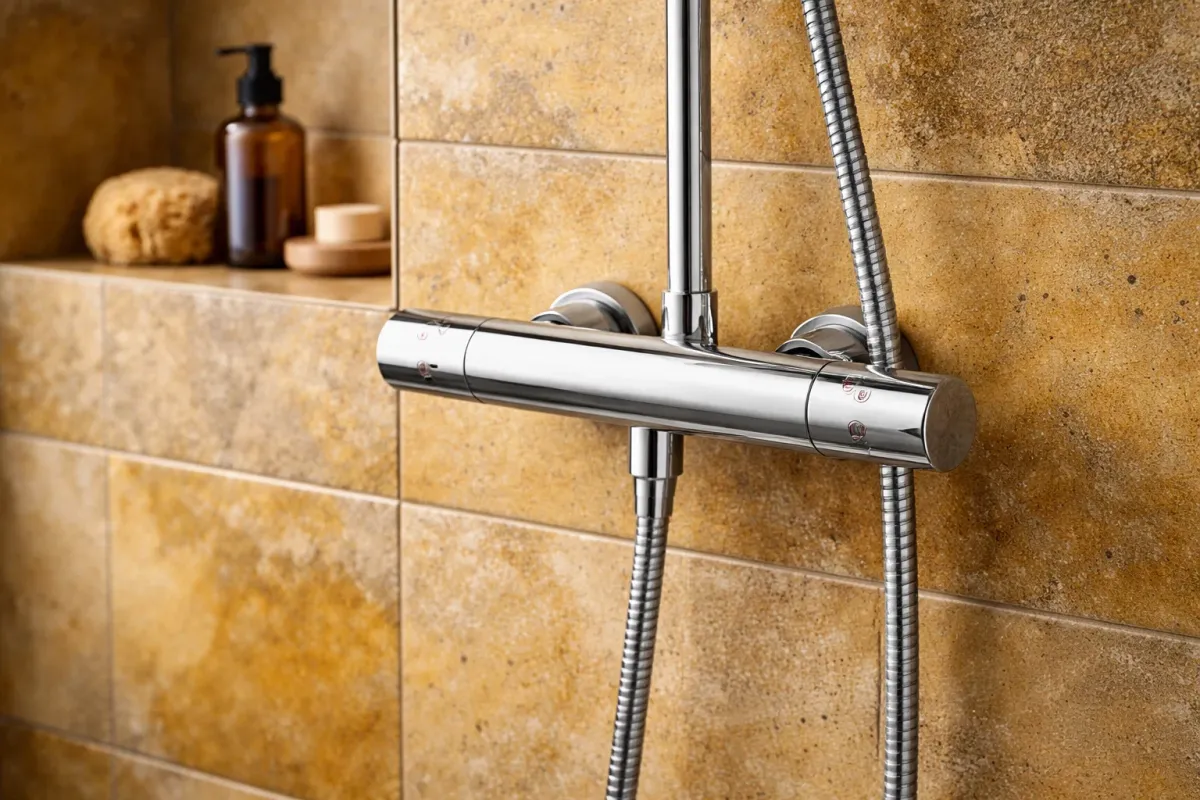
The practical trade-off is visibility. Chrome’s high reflectivity means fingerprints, water spots and limescale deposits show clearly on the surface. In hard water areas, daily wiping is needed to keep chrome looking its best. In Manchester and the North West, where United Utilities delivers some of the softest mains water in England (30 to 50 ppm), limescale is a minor concern and chrome maintains its shine with minimal effort.
Chrome is safe to clean with standard bathroom products including Viakal, Cillit Bang and HG Limescale Remover. Avoid abrasive scourers and steel wool, which will scratch through the thin chrome layer and expose the nickel beneath.
UK price: The baseline. All other finishes are priced relative to chrome.
Brushed Chrome and Satin Chrome
Standard chrome electroplating followed by mechanical brushing to create a matte, directional texture. The coating is identical to polished chrome in composition and durability, but the brushed surface disguises fingerprints, water spots and minor scratches far more effectively. This makes brushed chrome a practical choice for busy family bathrooms where constant polishing is unrealistic.
Available from Crosswater (Brushed Stainless Steel Effect in the MPRO range), Grohe (Supersteel) and several other brands. The terms brushed chrome, satin chrome, brushed steel and satin steel are effectively interchangeable. Price premium over polished chrome is minimal, typically 5 to 10 percent.
Brushed Nickel
Electroplated nickel as the top visible layer (rather than chrome), then mechanically brushed. The nickel layer is thicker than in standard chrome plating, typically 7 to 10 microns, because it serves as both the protective and decorative layer. The result is a warm grey tone that sits between the coolness of chrome and the warmth of brass.
Brushed nickel hides fingerprints and water spots well, and its warm tone makes white limescale deposits less obvious than on chrome. Over time, brushed nickel can develop a milky tarnish in humid environments, though this is uncommon with modern plating quality. Available from Crosswater, Roper Rhodes (Elan, Faber and Walcot collections), JTP, VADO, Abode and Burlington. Price premium is typically 15 to 25 percent over chrome.
Clean with warm soapy water and a soft microfibre cloth. Avoid ammonia-based cleaners, which can cause the white tarnish that brushed nickel is susceptible to.
Brushed Brass and Satin Brass
The most popular alternative finish for UK bathrooms in 2025 and 2026, driven by the broader shift from cool to warm tones in interior design. Brushed brass delivers warmth, tactile interest and a contemporary edge that polished chrome cannot match.
Premium versions use PVD coating for the brass tone, making them highly scratch-resistant and colour-stable. Mid-range versions use electroplating, which can fade over time. The distinction matters enormously for long-term satisfaction. BC Designs now holds brushed gold in stock alongside chrome, reflecting genuinely mainstream demand rather than trend-chasing.
Available from Crosswater (MPRO, Wisp, Marvel, Union), Roper Rhodes, Bristan (across 7 ranges), JTP (Vos range), Hudson Reed, VADO, Tavistock and BC Designs. Price premium is typically 20 to 40 percent over chrome.
Cleaning is critical. Brushed brass is the most sensitive mainstream finish in terms of cleaning product restrictions. Use only warm soapy water and a soft microfibre cloth for routine cleaning. For limescale, a 50/50 white vinegar and water solution can be applied but must be rinsed within two minutes. Standard bathroom sprays, Viakal, bleach, abrasive cleaners, antibacterial soaps and even toothpaste will damage the finish. Clean along the grain of the brushing, never across it.
Warranty warning: Bristan reduces its warranty from 10 years for chrome to 3 years for brushed brass. Crosswater offers 15 years across all finishes. Roper Rhodes and Hudson Reed maintain 10 years regardless of finish. Check before you buy.
Brushed Gold and Champagne Gold
A softer, more muted alternative to brushed brass. Champagne gold has a neutral quality similar to chrome but with underlying warmth, described by designers as elegant yet subtle. Grohe offers Cool Sunrise in both polished and brushed variants. Hansgrohe’s Polished Gold Optic uses FinishPlus PVD for exceptional durability. VADO’s Brushed Gold and BC Designs’ range round out the UK options.
Price premium and cleaning requirements are similar to brushed brass. The same restricted cleaning protocol applies. Distinct from rose gold, which incorporates pink and copper undertones (Grohe’s Warm Sunset is their rose gold equivalent).
Matt Black
The fastest-growing alternative finish in the UK market and now available across every major brand. Matt black creates bold contrast against light tiles and pale walls, making it the natural choice for contemporary and industrial bathroom designs. Bristan offers matt black across 10 bathroom tap ranges and 9 shower ranges, confirming genuine mainstream adoption.
The manufacturing method matters more for matt black than for any other finish. PVD matt black from brands like Hansgrohe (FinishPlus) is 10 to 20 times more scratch-resistant than chrome. Powder-coated matt black from budget brands is the least durable option, prone to chipping and flaking within a few years of installation.
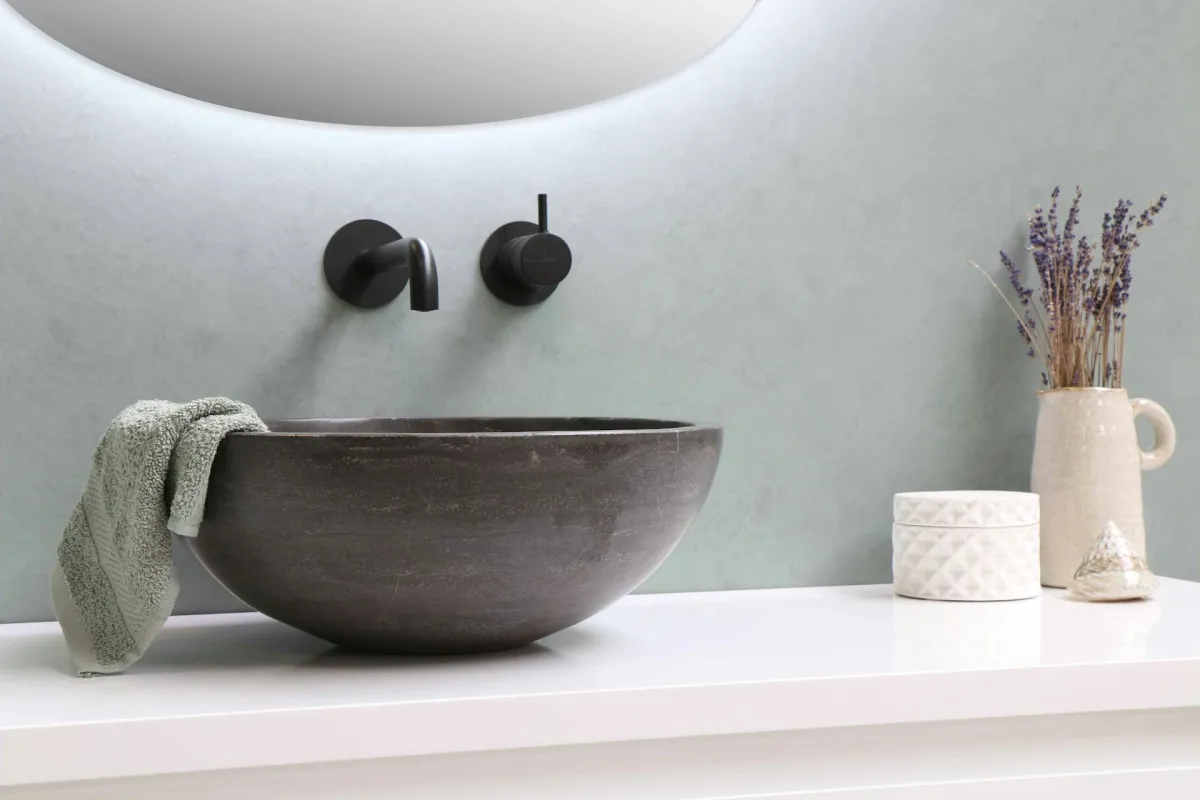
The hard water problem. White limescale deposits are extremely visible against a black surface. This is the single most common complaint from UK homeowners with matt black taps. In hard water areas (much of London, the South East and East Anglia), you must wipe matt black taps dry after every use. This is not optional maintenance but an essential requirement for keeping the finish presentable. In soft water areas like Greater Manchester, matt black is far more practical.
Clean with warm soapy water and a soft microfibre cloth. HG Scale Away for Coloured Sanitary Ware is safe for matt black limescale. Standard Viakal, Cillit Bang, bleach and abrasive products will all damage the finish. Price premium is typically 15 to 35 percent over chrome.
Gunmetal and Anthracite
A dark grey metallic finish with subtle warmth, positioned between brushed nickel and matt black. Gunmetal offers the drama of dark brassware with better limescale concealment than matt black and a more forgiving maintenance profile. Anthracite carries cooler blue-grey undertones.
Available from Bristan (Gun Metal Grey), JTP, Crosswater (Slate), Grohe (Hard Graphite) and Hansgrohe (Brushed Black Chrome in FinishPlus PVD). This remains a premium niche finish, often requiring special order with four or more weeks lead time. Price premium is typically 25 to 45 percent over chrome.
Polished and Unlacquered Brass
Lacquered polished brass was the standard for period-style bathrooms throughout the 1980s and 1990s. The brass body is polished and sealed with a clear lacquer to prevent tarnishing. The lacquer is the weak point, and it chips and peels in humid bathroom environments, leaving patchy tarnishing that looks worse than honest wear.
Unlacquered brass is a different proposition entirely. The brass is left without any protective coating and develops a natural patina over time that many homeowners and designers actively seek. The patina forms a genuine protective layer and gives each fitting a unique character. If you prefer the bright polished look, monthly polishing with Brasso maintains it. If you prefer the aged aesthetic, minimal maintenance is needed. Available from specialists including Aston Matthews, Samuel Heath, Barber Wilsons and Studio Ore at £300 to £800 or more per tap. Burlington offers more accessible polished brass in their traditional ranges.
Copper
A niche but distinctive choice. Solid copper taps from UK specialists like Proper Copper Design, Brassly and the Copper Bath Company range from £150 to £600 per tap. Copper is naturally antimicrobial, killing bacteria on contact, which gives it a functional advantage in bathroom environments. Like unlacquered brass, copper develops a living patina that darkens to rich browns and eventually to blue-green verdigris if left entirely untreated. Lemon juice removes patina if you prefer the original shine.
Copper-plated taps (brass body with a copper finish) are more affordable but the plating may wear through over time. For genuine copper character, solid copper is the only option that improves with age rather than degrading.
The One-Brand Rule
There is no universal standard for brushed brass, matt black or any other finish across manufacturers. Crosswater’s brushed brass has a warm gold tone. Grohe’s Cool Sunrise is cooler and more yellow. JTP’s brushed brass differs from both. Even matt black varies in sheen level and texture between brands.
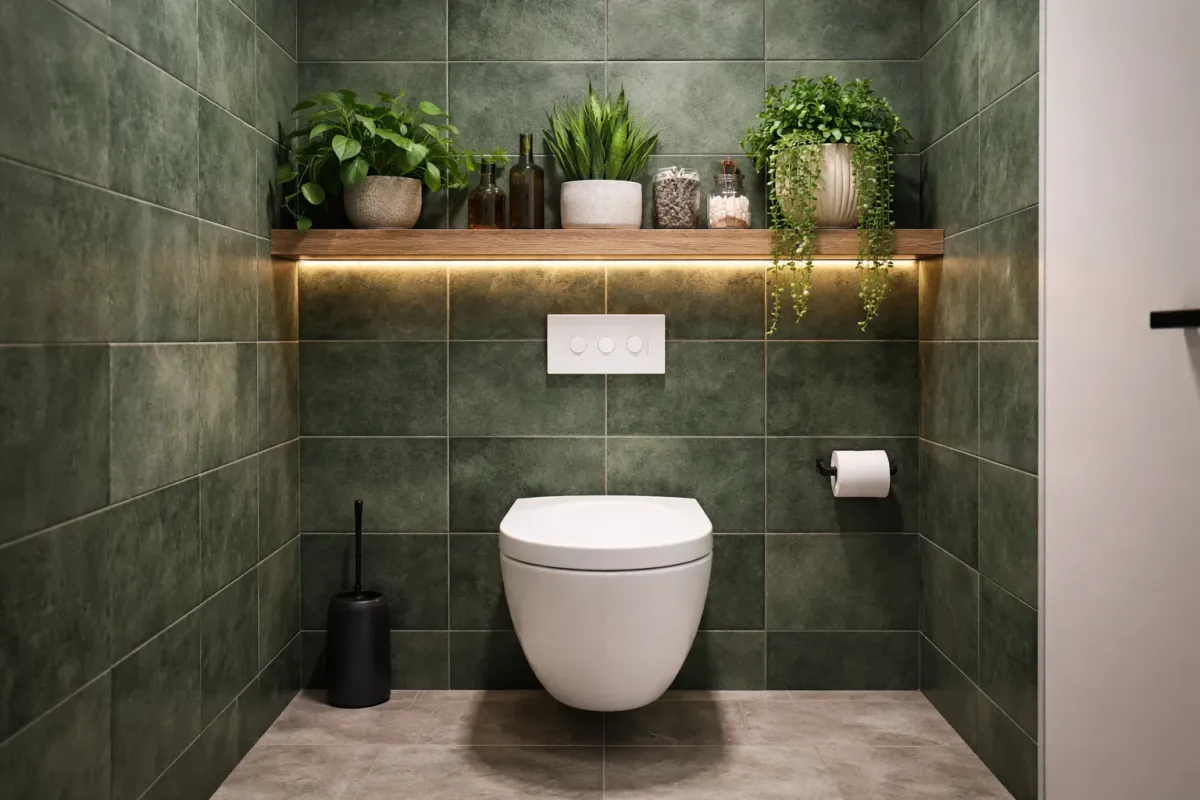
The rule is simple and non-negotiable: use one brand for all visible brassware in each bathroom. If your basin tap is Crosswater MPRO in brushed brass, your shower valve, bath filler, towel rail and accessories should all be Crosswater MPRO in brushed brass. Several brands facilitate this by offering comprehensive coordinated ranges across all product types, including Crosswater (MPRO in six finishes), VADO (Individual range), Roper Rhodes (Elan, Walcot and Faber), Hansgrohe (FinishPlus) and JTP (Vos).
Mixing chrome from different brands is less risky because chrome has less tonal variation than coloured finishes, but even here, warm chrome and cool chrome look noticeably different side by side. For more on brand ranges and what each manufacturer offers, our bathroom brands guide covers the major UK suppliers in detail.
Finish Comparison at a Glance
| Finish | Price vs Chrome | Scratch Resistance | Limescale Visibility | Fingerprints | Cleaning Ease | Typical Warranty |
|---|---|---|---|---|---|---|
| Chrome (polished) | Baseline | Good | High | High | Easy (most products safe) | 5-15 years |
| Brushed chrome | +5-10% | Good | Moderate | Low | Easy | 5-15 years |
| Brushed nickel | +15-25% | Very good | Low-moderate | Low | Moderate (no ammonia) | 5-15 years |
| Brushed brass (PVD) | +20-40% | Excellent | Low | Low | Careful (warm water only) | 3-15 years |
| Brushed gold | +20-40% | Excellent (PVD) | Low | Low | Careful (warm water only) | 5-15 years |
| Matt black (PVD) | +15-35% | Excellent | Very high | Moderate | Careful (specialist products) | 3-15 years |
| Matt black (powder coat) | +10-25% | Poor | Very high | Moderate | Careful | 3-5 years |
| Gunmetal | +25-45% | Good-excellent | Moderate | Low | Careful | 3-15 years |
| Polished brass (lacquered) | +30-50% | Moderate | Moderate | High | Careful (preserve lacquer) | Varies |
| Unlacquered brass | +100%+ | N/A (living finish) | Low (patina masks) | N/A | Optional (patina-dependent) | Varies |
| Copper | +100%+ | N/A (living finish) | Low (patina masks) | N/A | Optional (patina-dependent) | Varies |
Warranty Comparison by Brand
Warranty terms vary significantly between brands and between finishes within the same brand. This table covers the major UK brassware manufacturers.
| Brand | Chrome Warranty | Special Finish Warranty | Notes |
|---|---|---|---|
| JTP | 15 years | 15 years (all finishes) | Industry-leading warranty |
| Crosswater | 15 years | 15 years (check per range) | WRAS approved across range |
| VADO | 12 years | Check per range | Varies by collection |
| Bristan | 10 years | 3 years (black, brushed brass, gunmetal) | Significant reduction for special finishes |
| Roper Rhodes | 10 years | 10 years (all finishes) | WRAS approved |
| Hudson Reed | 10 years | 10 years (all finishes) | Good mid-range consistency |
| Burlington | 10 years | 10 years | Traditional ranges |
| Hansgrohe | 5 years | 5 years (FinishPlus PVD) | 20 years specifically on ceramic disc components |
| Grohe | 5 years | 5 years | SilkMove ceramic cartridge included |
The warranty column for special finishes deserves attention. Bristan’s drop from 10 years to 3 years for non-chrome finishes reflects the practical durability difference between proven chrome electroplating and newer coloured coatings. Brands like JTP, Crosswater and Roper Rhodes that maintain full warranties across all finishes are either using superior coating technology or are confident enough in their manufacturing to absorb the risk.
When planning a bathroom renovation, factor the warranty into your finish decision. A 15-year warranty on brushed brass from Crosswater represents a fundamentally different value proposition from a 3-year warranty on brushed brass from a competing brand, even if the taps look similar in the showroom.
Which Finish Suits Which Bathroom Style
| Bathroom Style | Recommended Finishes |
|---|---|
| Period and Victorian | Polished brass, unlacquered brass, polished chrome, brushed nickel |
| Contemporary and minimalist | Matt black, brushed brass, brushed nickel, polished chrome |
| Industrial | Matt black, gunmetal, brushed black chrome, copper |
| Scandinavian and Japandi | Brushed nickel, brushed brass, matt black |
| Boutique hotel and luxury | Brushed brass, brushed gold, brushed bronze |
| Coastal and country | Brushed nickel, polished chrome, copper |
For broader design inspiration including tile pairings, colour schemes and layout ideas, our bathroom ideas guide covers current trends with installation advice.
What to Do When a Finish Wears
If a powder-coated or electroplated finish degrades, several UK companies offer re-plating services. Ashford Chroming provides tap restoration in chrome, antique gold, nickel and brass finishes from around £60 plus VAT. However, re-plating is often more expensive than replacing the tap, unless it is a discontinued model that cannot be matched.
PVD finishes cannot be spot-repaired. If a PVD coating is somehow damaged (which is difficult given its hardness), the entire piece needs re-coating in an industrial vacuum chamber. This is one reason PVD manufacturers are so confident in their products. The coating either performs for the life of the tap or it does not, and the warranty reflects that confidence.
For unlacquered brass and copper, there is nothing to wear off. The metal itself is the finish, and its character develops over decades of use. A light sand with fine wire wool or a soak in lemon juice restores the original shine whenever you want it. These are the only bathroom finishes that genuinely improve with age.
Frequently Asked Questions
Which tap finish is best for hard water areas?
Can I use Viakal on brushed brass or matt black taps?
Why does Bristan offer only 3 years warranty on non-chrome finishes?
Is PVD better than electroplating for bathroom taps?
Can I mix tap brands if I use the same finish name?
Do matt black taps chip or peel?
What is the most low-maintenance bathroom tap finish?
Past Projects


Get a Free Quote
Book a free, no-obligation site survey. Call us on +44 7428 653 653 or request a callback.
Book Free SurveyOur Clients' Reviews

5/5

5/5

5/5

5/5
Based on 453+ verified reviews across all platforms
Related Articles

Top 10 Shower Mixers You Can Buy in the UK
Why Your Shower Mixer Matters The shower mixer is the heart of your shower system. A good one delivers stable temperature, consistent flow and reliable performance for years.
view this article Read more
Bathroom Renovation Mistakes and How to Avoid Them
Why Bathroom Renovations Go Wrong Most bathroom renovations that end badly were doomed before the first tile came off the wall.
view this article Read more
Electric Shower Not Working? Expert Troubleshooting Guide
Why Electric Showers Fail and What You Can Do About It Electric showers heat water on demand using a powerful element, drawing between 7.
view this article Read more
How Small Businesses Are Being Targeted by Fake Negative Reviews
What Fake Reviews Look Like Fake negative reviews usually follow a recognisable pattern. Some common red flags include: Vague or generic complaints – Reviews that lack specific details about the service, product, or experience.
view this article Read more
Asbestos in Bathrooms and Kitchens: Risks, Safety and UK Law
What Is Asbestos? Asbestos refers to a group of six naturally occurring silicate minerals made up of fine, durable fibres. Because of its strength and fire resistance, it was commonly used in insulation materials, roofing and flooring products, cement compounds, automotive parts and fireproof textiles.
view this article Read more
Hiring Bathroom Fitters in Manchester: Costs, Process and Advice
What Manchester Homeowners Need to Know Before Hiring Renovating a bathroom is one of the most rewarding home improvements you can make, and one of the easiest to get wrong if you hire the wrong people.
view this article Read more
The Best Toilet Brands for Your Home: A UK Buyer's Guide
Choosing a Toilet Brand: What Actually Matters Selecting a toilet brand might seem less important than choosing a specific model, but the manufacturer behind your toilet determines the quality of the ceramic, the reliability of the flush mechanism, the availability of spare parts years down the line, and the level of after-sales support when something eventually needs attention.
view this article Read more
Bathroom Remodelling Ideas for Greater Manchester Homeowners
Remodelling Ideas That Work for Manchester Homes Greater Manchester homes come with character. Victorian terraces in Didsbury, semi-detached houses in Prestwich, post-war estates in Salford, new builds in Trafford.
view this article Read more
How to Replace a Shower with a Bath
Replacing a shower with a bath is an excellent way to enhance both the functionality and comfort of your bathroom, especially if you’re accommodating a growing family.
view this article Read more
How to Find the Best Bathroom Fitters Near You
Finding a Bathroom Fitter You Can Trust Searching for “bathroom fitters near me” returns dozens of results, but a Google listing tells you almost nothing about whether a contractor will deliver quality work on time, stay within budget, and stand behind their installation for years to come.
view this article Read more
Small Bathroom Ideas for British Homes
Making the Most of a Small British Bathroom The average bathroom in a British home measures roughly 2.2 metres by 1.
view this article Read more
Bathroom Tile Trends in 2026
What Is Shaping Bathroom Tile Design in 2026 The bathroom has long since outgrown its reputation as a purely functional room.
view this article Read more