
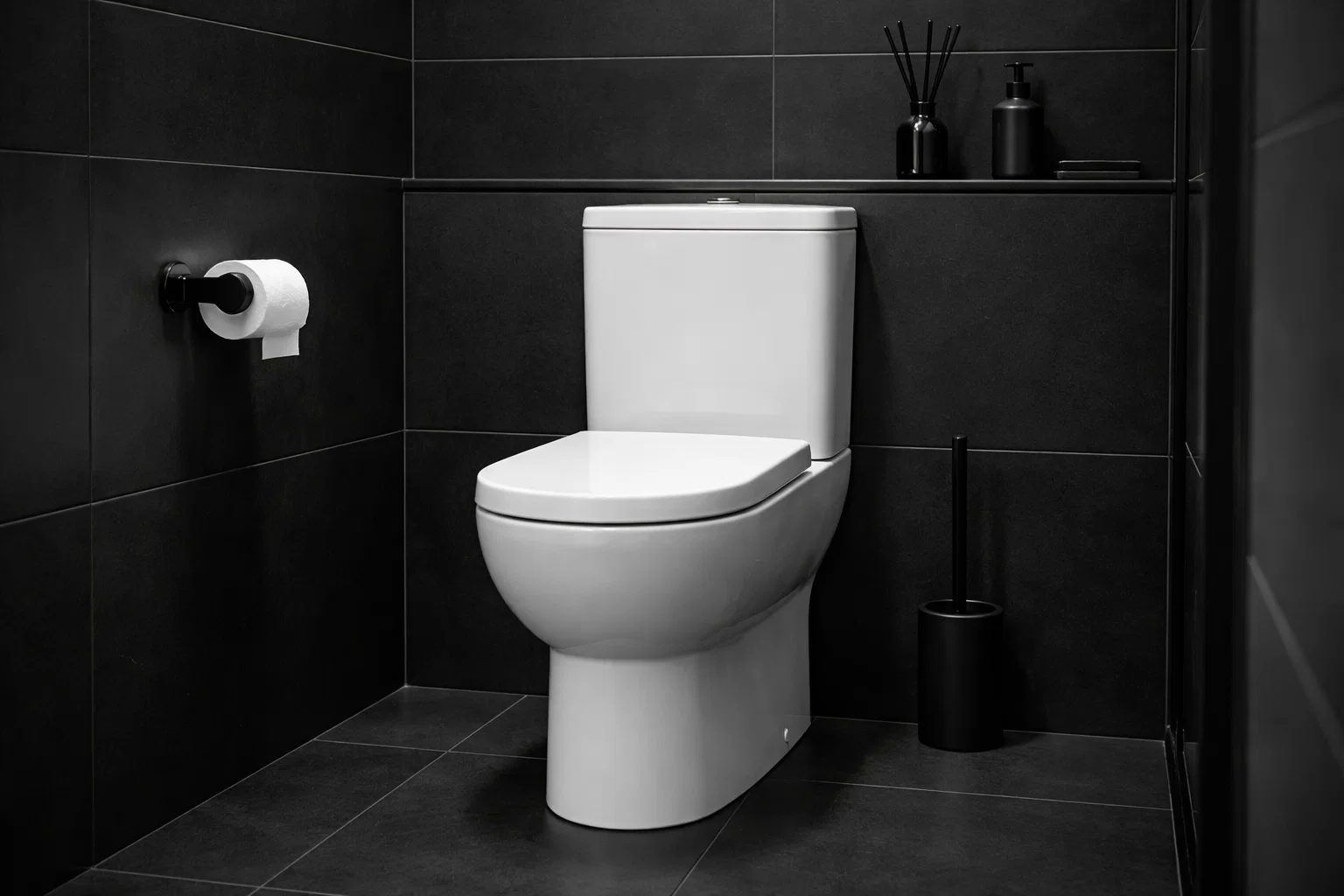
Best Back-to-Wall Toilets for Small Bathrooms
Best back-to-wall toilets for small UK bathrooms. Compact BTW models compared with space-saving tips and installation advice from Manchester fitters.
If you have a small bathroom, you already know that every centimetre counts. Choosing the right toilet can make or break your layout, and for compact British bathrooms, back-to-wall (BTW) toilets are quickly becoming the go-to option. They sit flush against the wall or a furniture unit, hide the cistern from view, and give you that clean, modern look without the complexity of a full wall-hung installation.
In this guide, we review the best back-to-wall toilets available in the UK in 2026, compare specifications, and share practical advice from our experience as bathroom fitters in Manchester. Whether you are planning a full bathroom remodel or simply swapping out an old toilet, this article will help you make a confident, informed choice.
What Is a Back-to-Wall Toilet?
A back-to-wall toilet is a style of WC where the toilet pan sits directly against the bathroom wall or against a furniture unit. The cistern is concealed — either inside the furniture unit itself or within the wall cavity behind it — so all you see from the front is the smooth, rounded shape of the pan.
This design does three important things:
- Hides unsightly pipework and the cistern, giving your bathroom a sleek, contemporary finish.
- Reduces the overall footprint compared to a traditional close-coupled toilet where the cistern sits on top of the pan.
- Makes cleaning far easier, because there are fewer nooks and crannies where dust and grime can accumulate.
How BTW Toilets Differ from Close-Coupled and Wall-Hung
Understanding the differences between the three main toilet types is essential before you commit to a purchase. Here is a quick comparison:
| Feature | Close-Coupled | Back-to-Wall (BTW) | Wall-Hung |
|---|---|---|---|
| Cistern visibility | Fully visible, sits on the pan | Concealed in furniture or wall | Concealed in wall frame |
| Floor contact | Pan sits on the floor | Pan sits on the floor | Pan is mounted off the floor |
| Projection from wall | Typically 620–750 mm | Typically 480–560 mm | Typically 480–540 mm |
| Installation complexity | Simplest — minimal work needed | Moderate — needs furniture unit or stud wall | Most complex — requires a support frame |
| Ease of cleaning | Hardest — gaps around cistern | Good — flat rear, fewer gaps | Best — floor beneath is clear |
| Cost (toilet + install) | Lowest | Mid-range | Highest |
| Best for | Budget projects, like-for-like swaps | Small to mid-sized bathrooms | Modern wet rooms, designer schemes |
For most small British bathrooms, a BTW toilet hits the sweet spot between aesthetics, practicality and cost. You get most of the visual benefits of a wall-hung toilet without the expense and structural demands of fitting a concealed frame into the wall.
Why Back-to-Wall Toilets Are Ideal for Small British Bathrooms
British bathrooms are famously compact. The average UK bathroom measures roughly 2.2 m x 1.7 m, and many en-suites and cloakrooms are smaller still. In these tight spaces, a back-to-wall toilet offers several real advantages:
1. Reduced Projection
A standard close-coupled toilet projects 620–750 mm from the wall. A well-chosen BTW model can bring that down to 480–560 mm. That difference of 100–200 mm might not sound like much on paper, but in a small bathroom it can be the difference between a comfortable space and one where you are bumping your knees on the opposite wall.
2. Cleaner Lines, Less Visual Clutter
Small rooms feel even smaller when they are cluttered. By concealing the cistern and pipework, a BTW toilet creates a smooth, unbroken line along the wall. This visual simplicity tricks the eye into perceiving more space.
3. Flexible Furniture Integration
Many homeowners pair a BTW toilet with a fitted bathroom furniture unit. These units often extend along the wall to include a basin vanity, storage cupboards and even a concealed cistern housing — all in one continuous run. This integrated approach is one of the best ways to maximise storage and floor space in a small bathroom.
4. Easier Maintenance
With fewer exposed surfaces and no gap behind the cistern, BTW toilets are quicker and simpler to clean. In a small bathroom where everything is within arm’s reach, that ease of access makes a noticeable difference to your daily routine.
Top 7 Back-to-Wall Toilets for Small Bathrooms in 2026
We have reviewed dozens of models and narrowed the list down to seven that offer the best combination of compact dimensions, flush performance, build quality and value for money. These are all widely available from UK retailers and bathroom suppliers.
1. Roca The Gap Back-to-Wall Toilet
Roca is one of the most trusted names in European sanitaryware, and The Gap range is a consistent bestseller. The BTW version features a short projection of just 540 mm, a rimless bowl for hygienic flushing, and Roca’s signature Supraglaze coating that resists limescale and staining. The soft-close seat is included as standard.
Why we like it: Excellent all-round performer. The rimless design makes cleaning a breeze, and the compact dimensions work well in most small bathroom layouts. The build quality is outstanding for the price.
2. Ideal Standard Concept Air BTW Toilet
The Concept Air is a modern classic from Ideal Standard. Its slim, tapered silhouette looks elegant against a furniture unit, and the Aquablade flush technology delivers a thorough, quiet clean with every use. Projection is approximately 545 mm.
Why we like it: The Aquablade flush system is genuinely impressive — it uses a controlled sheet of water rather than traditional rim holes, which means better coverage and less noise. A premium feel at a mid-range price.
3. RAK Ceramics Resort BTW Toilet
RAK Ceramics offers excellent value, and the Resort is one of their most popular BTW models. It has a clean, contemporary shape with a projection of around 520 mm and comes with a soft-close, quick-release seat. The rimless bowl ensures thorough flushing and easy maintenance.
Why we like it: Superb value for money. RAK’s manufacturing quality has improved significantly in recent years, and this model punches well above its price point.
4. Duravit DuraStyle BTW Toilet
Duravit is a premium German brand known for exceptional engineering and design. The DuraStyle BTW has a projection of approximately 540 mm and features Duravit’s HygieneGlaze, a ceramic glaze fired with antimicrobial properties that inhibit bacterial growth. The Rimless flush ensures water reaches every part of the bowl.
Why we like it: If you want top-tier quality and are willing to invest a little more, the DuraStyle is hard to beat. The HygieneGlaze is a genuine differentiator, not just a marketing gimmick.
5. Villeroy & Boch Subway 2.0 BTW Toilet
Another premium European option, the Subway 2.0 is one of Villeroy & Boch’s most popular ranges worldwide. The BTW model features DirectFlush rimless technology, a CeramicPlus coating that repels dirt and water, and an elegant, slightly angular design. Projection is around 560 mm.
Why we like it: Beautiful design and impeccable build quality. The CeramicPlus coating genuinely reduces the frequency of deep cleaning. It is one of the more expensive options on this list, but you get what you pay for.
6. Victoria Plumb (now called VP) Mode BTW Toilet
Victoria Plumb’s own-brand Mode range has earned a loyal following for offering contemporary design at accessible prices. The Mode BTW toilet features a rimless bowl, soft-close seat and a compact projection of approximately 520 mm. It is often available as part of a furniture set, making it easy to create a coordinated look.
Why we like it: The best budget option on our list without feeling cheap. If you are furnishing a small bathroom or cloakroom on a tighter budget, the Mode range is well worth considering.
7. Roca Inspira Round BTW Toilet
The Inspira Round is Roca’s design-led range, and the BTW version is a beautiful piece of sanitaryware. Its distinctive rounded profile gives it a softer, more organic appearance compared to the angular lines of most modern toilets. Projection is about 530 mm, and it includes Roca’s Rimless flush and Supraglaze coating.
Why we like it: If aesthetics are a priority, this is one of the most visually appealing BTW toilets on the market. It works particularly well in bathrooms with curved or softer design themes.
Technical Comparison Table
| Model | Projection (mm) | Width (mm) | Height (mm) | Flush Type | Water Usage (L) | Rimless | Approx. Price |
|---|---|---|---|---|---|---|---|
| Roca The Gap BTW | 540 | 360 | 400 | Dual flush | 3/4.5 | Yes | £180–£250 |
| Ideal Standard Concept Air | 545 | 365 | 400 | Dual flush (Aquablade) | 2.5/4 | Yes | £250–£350 |
| RAK Resort BTW | 520 | 360 | 400 | Dual flush | 3/4.5 | Yes | £120–£180 |
| Duravit DuraStyle BTW | 540 | 370 | 400 | Dual flush (Rimless) | 3/4.5 | Yes | £300–£420 |
| Villeroy & Boch Subway 2.0 | 560 | 370 | 400 | Dual flush (DirectFlush) | 3/4.5 | Yes | £350–£480 |
| VP Mode BTW | 520 | 355 | 400 | Dual flush | 3/4.5 | Yes | £100–£160 |
| Roca Inspira Round BTW | 530 | 370 | 400 | Dual flush | 3/4.5 | Yes | £280–£380 |
All models listed above use dual-flush mechanisms with a short flush of 3 litres (or less) and a full flush of 4.5 litres, meeting WRAS (Water Regulations Advisory Scheme) standards for the UK. This means lower water bills and reduced environmental impact compared to older single-flush toilets.
Installation Requirements for Back-to-Wall Toilets
Installing a BTW toilet is more involved than a simple close-coupled swap, but it is far less complicated than fitting a wall-hung toilet. Here is what you need to know.
Concealed Cistern Options
The cistern for a BTW toilet needs to be hidden somewhere. The two most common approaches are:
Bathroom furniture unit — A purpose-built WC unit (typically 500–600 mm wide) houses the cistern and provides a shelf or surface on top. This is the most popular method and the easiest to install. Units are available from most bathroom suppliers to match vanity furniture.
In-wall cistern frame — A slim metal frame (such as a Geberit Duofix or Grohe Rapid SL) is fitted inside a stud wall or boxed-out section. The flush plate sits on the wall surface. This method gives a more minimalist look but requires more building work.
Plumbing Considerations
- The waste pipe must connect at the rear of the pan, exiting through the wall or floor depending on your layout.
- Water supply connects to the concealed cistern, not to the toilet pan itself.
- Ensure the soil pipe is positioned correctly before fitting the furniture unit or building the stud wall — moving it later is disruptive and costly.
Floor and Wall Preparation
- The toilet pan is secured to the floor with bolts and sealed with silicone.
- The rear of the pan must sit flush against the wall or the furniture unit — any gaps will compromise the seal and the visual finish.
- If you are fitting a furniture unit, ensure the floor is level. Uneven floors can cause the unit to rock, which leads to cracked tiles and failed seals over time.
For a professional finish, we always recommend working with experienced bathroom fitters who can handle the plumbing, carpentry and tiling as a single coordinated project. A poorly fitted BTW toilet will leak, and leaks in concealed spaces can go unnoticed for months.
Space-Saving Benefits: The Numbers
To put the space savings into perspective, here is how a BTW toilet compares to a standard close-coupled model in a typical small bathroom:
| Measurement | Close-Coupled | Back-to-Wall | Space Saved |
|---|---|---|---|
| Projection from wall | 680 mm (typical) | 520 mm (typical) | 160 mm |
| Floor area occupied | ~0.25 m² | ~0.19 m² | ~0.06 m² |
| Visual wall exposure | Cistern visible, pipework visible | Smooth furniture or wall | Significant visual gain |
That 160 mm of saved projection can free up enough room for a wider shower tray, a slightly larger basin, or simply more comfortable movement around the bathroom. In a cloakroom, it might be the difference between a toilet that fits and one that does not.
Tips for Buying a Back-to-Wall Toilet for a Small Bathroom
Here are our top practical tips, drawn from years of fitting bathrooms across Manchester, Stockport, Altrincham and the wider Greater Manchester area.
Tip 1: Measure Your Available Space First
Before you fall in love with a particular model, measure the space where the toilet will go. Note the distance from the wall to any opposing fixture (basin, bath or shower screen) and ensure you will have at least 200 mm of clear space in front of the pan when seated. Building regulations recommend a minimum of 600 mm from the front of the toilet to the nearest obstruction.
Tip 2: Check the Projection Carefully
Do not rely on product images — always check the stated projection dimension in the technical datasheet. A difference of 20 mm between two models might not seem significant, but in a tight cloakroom it can matter.
Tip 3: Buy the Cistern and Flush Plate Separately
Most BTW toilets are sold as the pan only. The concealed cistern (Geberit, Grohe or own-brand) and flush plate are usually purchased separately. Budget for these extras — a concealed cistern typically costs an additional £50–£120, and flush plates range from £30 to over £200 depending on the finish.
Tip 4: Choose Rimless If Possible
All seven models in our review are rimless, and there is a good reason for that. Rimless bowls are easier to clean, more hygienic and deliver a more effective flush. The small price premium over a rimmed version pays for itself in reduced cleaning effort. For a deeper look at this topic, read our guide to rimless toilets vs standard toilets.
Tip 5: Consider a Complete Furniture Set
If you are remodelling the entire bathroom, buying a matched furniture set (WC unit, basin vanity and storage) often works out cheaper than purchasing individual pieces. It also guarantees a cohesive look. Many of the brands listed above offer coordinating furniture ranges.
Tip 6: Do Not Forget the Seat
Some BTW toilets include a seat; others do not. Always check what is included in the box. If you need to buy a seat separately, opt for a soft-close model — the gentle closing action protects the ceramic and eliminates slamming.
Tip 7: Plan for Future Access
Concealed cisterns occasionally need maintenance. Ensure your installation allows access to the cistern mechanism via a removable flush plate or an access panel. A fully tiled, sealed-in cistern with no access is a recipe for expensive problems later on.
Frequently Asked Questions
What is the difference between a back-to-wall toilet and a wall-hung toilet?
Can I replace a close-coupled toilet with a back-to-wall model?
How much space does a back-to-wall toilet save compared to a close-coupled toilet?
Do back-to-wall toilets need a furniture unit?
Are back-to-wall toilets more expensive than close-coupled toilets?
Which concealed cistern brand is best for a BTW toilet?
Can I install a back-to-wall toilet myself?
What is the best back-to-wall toilet for a cloakroom?
Past Projects


Get a Free Quote
Book a free, no-obligation site survey. Call us on +44 7428 653 653 or request a callback.
Book Free SurveyOur Clients' Reviews

5/5

5/5

5/5

5/5
Based on 453+ verified reviews across all platforms
Related Articles
Smart Toilets and Bidet Toilets: The Future of UK Bathrooms
Smart toilets have been a staple in Japanese and South Korean households for decades, but they are now making serious inroads into British bathrooms.
view this article Read more
Wall-Hung Toilets: Are They Worth It? Complete UK Review
Wall-hung toilets have been standard in much of continental Europe for decades, but they have taken longer to gain traction in British homes.
view this article Read more
Best Close-Coupled Toilets for UK Homes: 2026 Buyer's Guide
If you are planning a bathroom renovation or simply replacing your old toilet, there is a very good chance you will end up choosing a close-coupled model.
view this article Read more
Rimless Toilets vs Standard: Which Should You Choose?
If you have been shopping for a new toilet recently, you have almost certainly noticed that “rimless” has become one of the biggest selling points in the market.
view this article Read more
Top 10 Toilets You Can Buy in the UK | Expert Picks
Choosing the Right Toilet for Your Bathroom Choosing a toilet might not seem like a momentous decision, but considering you will use it several times a day for years, getting it right matters more than most people realise.
view this article Read more
The Best Toilet Brands for Your Home: A UK Buyer's Guide
Choosing a Toilet Brand: What Actually Matters Selecting a toilet brand might seem less important than choosing a specific model, but the manufacturer behind your toilet determines the quality of the ceramic, the reliability of the flush mechanism, the availability of spare parts years down the line, and the level of after-sales support when something eventually needs attention.
view this article Read more
GROHE Grohtherm 800 Thermostatic Shower Mixer Review
An Installer’s Honest Assessment We fit dozens of thermostatic shower mixers every year across Greater Manchester bathrooms and shower rooms. Some arrive in impressive packaging and disappoint within months.
view this article Read more
How to Plan a Kitchen Renovation: A Practical UK Guide
What Separates a Good Kitchen Renovation From a Costly Mistake ![Modern kitchen with clean lines and quality finishes showing the result of careful renovation planning](modern kitchen.
view this article Read more