
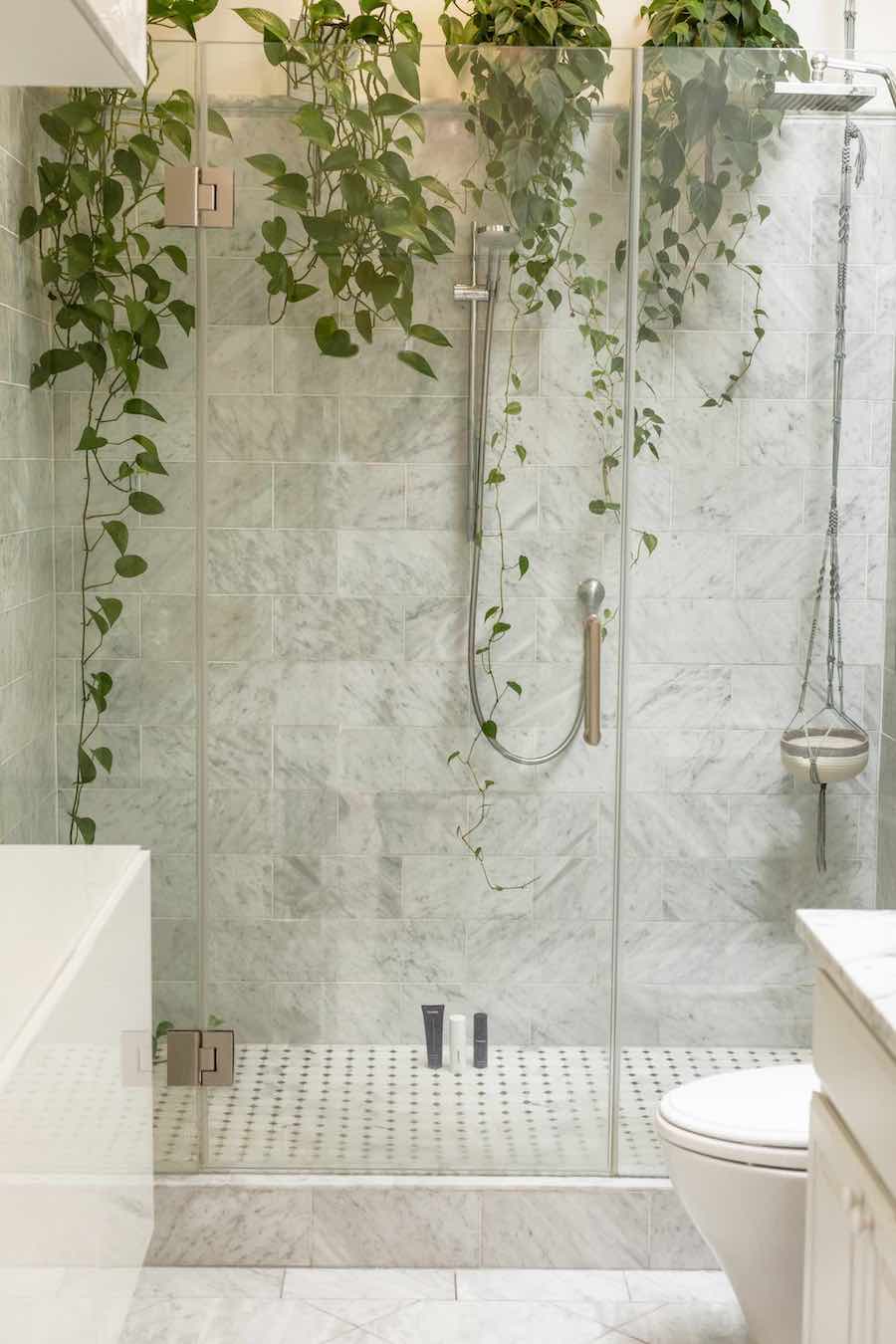
Bathroom Tile Trends in 2026
Biggest bathroom tile trends for 2026 including large-format tiles, bold colours and sustainable materials. Expert tiling advice from Manchester fitters.
What Is Shaping Bathroom Tile Design in 2026
The bathroom has long since outgrown its reputation as a purely functional room. In 2026, tile choices are being driven by a collision of influences: the growing appetite for biophilic interiors, a maturing commitment to sustainable manufacturing, and a boldness with colour that would have felt unthinkable a decade ago. Homeowners across Manchester and the wider UK are treating their bathrooms as spaces that deserve the same design ambition as a living room or kitchen, and the tiles going on those walls and floors reflect that shift in thinking.
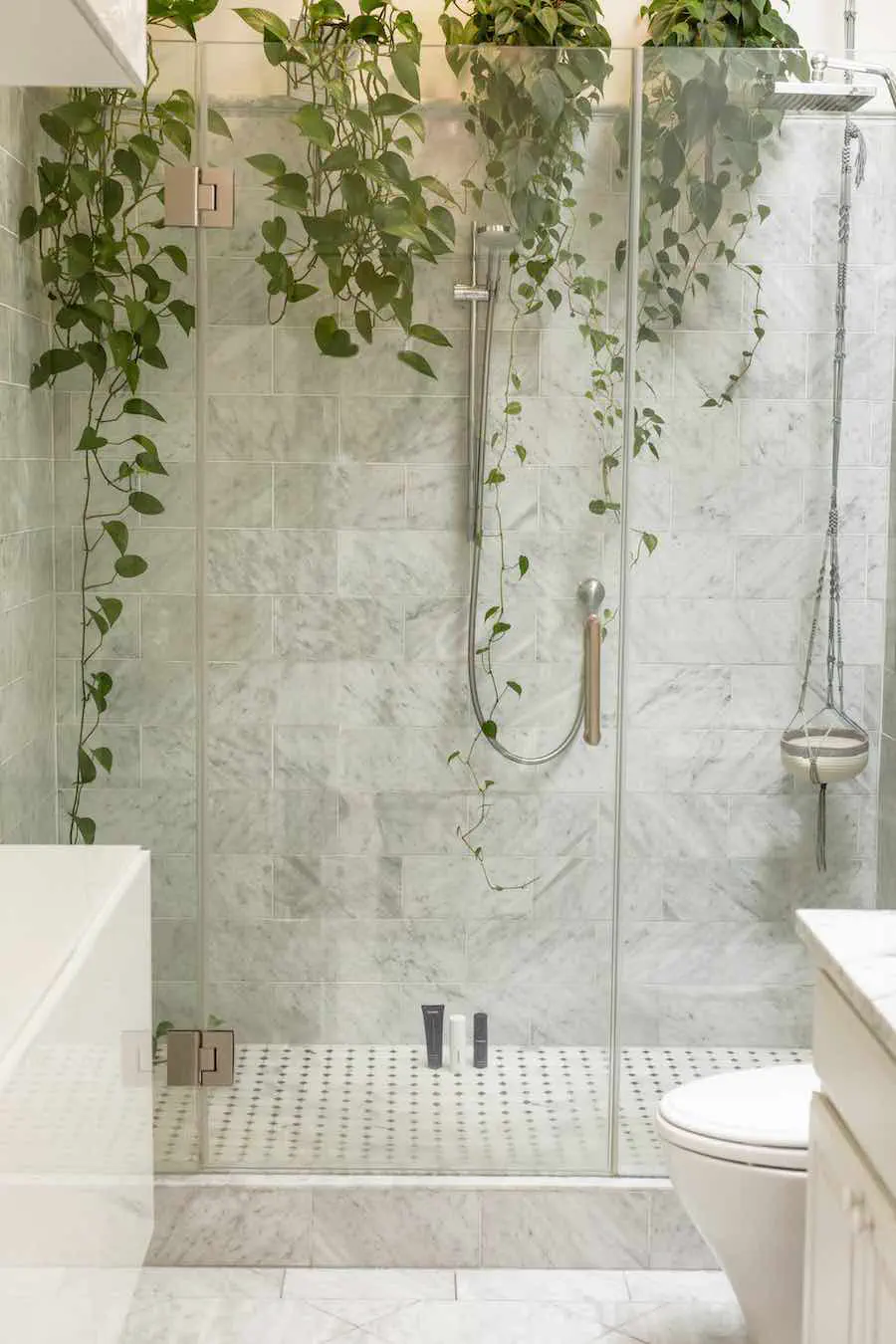
What makes this year particularly interesting is the breadth of the palette. Where previous seasons nudged designers toward one dominant look, 2026 offers genuine range. You can lean into warm Mediterranean earth tones, plunge headfirst into moody jewel-coloured drama, or find a middle ground with sculpted textures on a neutral base. The thread connecting all of it is intention. Random choices are out. Considered, confident tile selection is firmly in.
Whether you are planning a complete bathroom remodelling project or simply swapping out a tired splashback, understanding where tile design is heading will help you make decisions you will still be happy with years from now. For a broader look at the tile types available to you, our guide to bathroom tile types covers the fundamentals of porcelain, ceramic, natural stone and more.
Large-Format Tiles Continue to Dominate
Large-format tiles have been gaining ground for several years, but 2026 is the point at which they stop feeling like a statement and start feeling like the default. Sizes of 600x1200mm are now commonplace in UK bathroom showrooms, and slabs reaching 1200x2400mm are increasingly accessible for domestic projects rather than being reserved for commercial fit-outs.
The practical advantages explain their staying power. Fewer grout lines mean fewer opportunities for mould, discolouration and water ingress. A wall tiled in two or three large panels reads as clean and continuous, making even a modest bathroom feel more spacious. The visual effect is especially powerful in smaller en-suites and cloakrooms where busy grout patterns can make a tight room feel cluttered.
If you are working out quantities for large-format tiles, our tile and grout calculator handles all standard UK sizes including 600x1200mm panels.
Installation, however, demands precision. Large-format tiles are heavier and less forgiving of uneven substrates. A professional bathroom tiling team will ensure the walls are properly prepared and that the adhesive coverage is sufficient to prevent voids behind the tile. Cutting also requires specialist equipment, particularly when working with porcelain slabs that can be as thin as 6mm. This is not a weekend DIY job.
For those who like the large-format look but worry about it feeling too cold or clinical, pairing oversized floor tiles with a band of smaller decorative tiles at eye level creates contrast without sacrificing that streamlined feel.
Earth Tones and Natural Palettes
The Mediterranean influence that crept into UK interiors over the past two years has settled in and made itself at home. Terracotta, clay, ochre, warm sand, burnt sienna and soft rust are appearing across tile ranges from major manufacturers, and the appetite for them shows no sign of fading.
Part of the appeal is warmth. After years of cool greys dominating bathroom design, homeowners are craving colours that make a room feel inviting rather than stark. Earth tones achieve that without tipping into the twee or dated territory that beige occupied in the early 2000s. The new generation of earthy tiles tends to have a matte or slightly textured finish that absorbs light rather than bouncing it around, lending bathrooms a grounded, spa-like calm.
These palettes pair beautifully with natural materials. Wooden vanity units, brass or brushed-gold brassware, and linen textiles all sit comfortably alongside terracotta-toned walls. The result is a bathroom that feels connected to the natural world, which is precisely the mood that biophilic design principles encourage.
If you are renovating a period property in areas like Prestwich, Didsbury or Chorlton, earth tones can also bridge the gap between original architectural character and modern functionality. A terracotta floor tile with a hand-finished edge feels sympathetic to a Victorian terrace in a way that a polished white rectified tile simply does not.
Bold and Moody Colours
At the opposite end of the spectrum, 2026 is rewarding courage. Deep blues, emerald greens, charcoal, oxblood and rich navy are all making their presence felt in bathroom tile collections. These are not accent colours confined to a single niche or a strip of border tile. They are going on full walls, inside walk-in showers, and across entire floors.
The key to working with dark tiles is balance. A bathroom clad entirely in charcoal with no relief can feel oppressive, particularly in a north-facing room with limited natural light. Successful moody bathrooms tend to pair their dark tiles with lighter elements: a white ceiling, pale grout, a freestanding white bath, or a large mirror that bounces whatever light is available. Metallic accents in polished chrome or warm brass also lift a dark scheme and stop it from feeling flat.
Emerald green has particular momentum in 2026. It reads as both luxurious and organic, sitting somewhere between a jewel tone and a natural hue. In a glossy finish it evokes vintage glamour; in matte, it feels earthy and modern. Our article on contemporary bathroom tiling styles explores how colour and finish interact to create different moods within the same space.
For homeowners who love the idea of bold colour but find the commitment daunting, a feature wall behind the basin or within a shower enclosure is an effective way to introduce drama without overwhelming the room. The remaining walls can stay in a complementary neutral, letting that single surface do the heavy lifting.
Textured and Three-Dimensional Tiles
Flat, uniform surfaces are giving way to tiles that demand to be touched. Sculpted surfaces, rippled finishes, fluted columns, wave patterns and geometric reliefs are all part of the 2026 texture movement. These tiles add depth and visual interest without relying on colour or pattern alone, which makes them a powerful tool for bathrooms that use a restrained palette.
Three-dimensional tiles work particularly well as feature walls. A panel of white 3D wave tiles behind a freestanding bath, lit from one side, creates shadows that shift throughout the day. The effect is subtle but compelling, turning a simple surface into something architectural. For a deeper exploration of how tile shapes and arrangements create visual impact, our guide on everything about bathroom tiles covers the geometry in detail.
Fluted tiles deserve a special mention. Inspired by ribbed glass and reeded timber, the fluted look has crossed over from furniture and joinery into wall tiling. Vertically oriented fluted tiles elongate a wall and add rhythm to a space. They are available in everything from matte white to deep sage, making them versatile enough for both traditional and modern bathrooms.
One practical consideration with heavily textured tiles is cleaning. Raised surfaces can trap soap residue and water deposits more readily than flat tiles. Placing your most textured selections on walls rather than floors, and keeping them away from direct shower spray where possible, will reduce maintenance.
Sustainable and Recycled Materials
Sustainability in bathroom tiling has moved well beyond marketing language. Several UK and European manufacturers now offer tiles made with significant recycled content, including reclaimed industrial waste, crushed glass and post-consumer ceramics. Production processes have also improved, with lower-temperature firing, solar-powered kilns and closed-loop water systems reducing the environmental footprint of tile manufacturing.
British-made tiles carry an inherent sustainability advantage for UK projects simply because the transport distances are shorter. Supporting domestic production also supports local jobs and reduces the carbon cost of shipping heavy goods from overseas. Our piece on tile history and UK manufacturing brands traces the heritage of British tile-making and highlights producers who are investing in greener processes today.
Beyond the tile itself, the installation matters. Low-VOC adhesives and grouts are now widely available, and responsible waste management on site ensures offcuts and packaging are recycled rather than sent to landfill. When you work with a professional team for your bathroom remodelling project, ask about their waste and sourcing policies. It is a fair question, and any reputable contractor will have a clear answer.
Reclaimed tiles are another option gaining traction. Salvaged encaustic tiles from Victorian and Edwardian properties can be cleaned, re-laid and given a new life. They bring genuine character and a one-of-a-kind quality that no factory tile can replicate.
Colour Trends Worth Watching
Warm Tones Rising
The warm tone movement extends beyond terracotta. Soft peach, apricot, dusty rose and warm taupe are all gaining ground in bathroom settings. These colours have a gentle flattering quality under artificial light, which matters in a room where people look at themselves in the mirror every morning. They pair especially well with brass and copper fittings, creating a cohesive warmth that cool-toned schemes struggle to match.
Jewel Tones for Impact
Ruby, sapphire, amethyst and deep teal are the jewel tones making the strongest impression in 2026. Used on a feature wall or inside a shower recess, they create a sense of richness and enclosure that feels deliberately indulgent. Glossy finishes amplify the jewel effect, while zellige-style tiles with their characteristic surface variation soften it into something more artisan and approachable. The art of selecting and arranging these kinds of statement tiles is explored further in our guide to stunning bathroom tile designs.
Organic Patterns and Movement
Fluid, nature-inspired patterns are replacing rigid geometric repeats. Tiles that mimic the veining of marble, the grain of timber, or the ripple of water bring organic movement to surfaces. The technology behind inkjet printing on porcelain has advanced to the point where these reproductions are remarkably convincing, offering the look of natural stone without the porosity and sealing requirements. This organic movement aligns with the wider biophilic trend and gives bathrooms a relaxed, lived-in quality.
Choosing Tiles That Last Beyond the Trend
Trends are useful as a starting point, but a bathroom renovation is a significant investment and most homeowners want their choices to look good for ten years or more. The safest approach is to use trend-driven elements in areas that are relatively easy and inexpensive to change, while keeping the largest, most permanent surfaces in something you are confident will endure.
Floors and full wall tiling should lean toward colours and finishes you genuinely love rather than ones you have seen trending online. Neutral or earthy tones in quality porcelain or natural stone rarely date. Trends can then be introduced through smaller interventions: a decorative border, a coloured niche inside the shower, patterned floor tiles in a powder room, or colourful accessories and textiles that can be swapped out without a tiler in sight.
Think also about how your tile choices interact with the rest of your home. A bathroom that feels completely disconnected from the hallway and bedroom next to it can jar. Continuity of tone, if not material, creates a sense of flow through the house.
If you are weighing tiles against other wall finishes, our comparison of bathroom panels versus tiles lays out the pros and cons of each approach. And when you are ready to move forward, our tiling service page outlines what to expect from working with our team. You can also get in touch for a free, no-obligation quote tailored to your project.
Frequently Asked Questions
What are the most popular bathroom tile colours for 2026?
Are large-format tiles suitable for small bathrooms?
How do I keep textured or 3D tiles clean?
Are recycled tiles as durable as standard tiles?
Can I mix different tile trends in one bathroom?
How long do bathroom tiles typically last?
Should I follow trends or choose something timeless?
Past Projects


Get a Free Quote
Book a free, no-obligation site survey. Call us on +44 7428 653 653 or request a callback.
Book Free SurveyOur Clients' Reviews

5/5

5/5

5/5

5/5
Based on 453+ verified reviews across all platforms
Related Articles
Bathroom Tap Finishes: Chrome, Brass, Matt Black and Beyond
The Finish You Choose Outlasts Every Other Bathroom Decision Tiles can be re-grouted. Paint can be refreshed in a weekend. But the finish on your taps, shower valves and accessories is permanent for the life of the fitting.
view this article Read more
Top 10 Shower Mixers You Can Buy in the UK
Why Your Shower Mixer Matters The shower mixer is the heart of your shower system. A good one delivers stable temperature, consistent flow and reliable performance for years.
view this article Read more
Bathroom Renovation Mistakes and How to Avoid Them
Why Bathroom Renovations Go Wrong Most bathroom renovations that end badly were doomed before the first tile came off the wall.
view this article Read more
Electric Shower Not Working? Expert Troubleshooting Guide
Why Electric Showers Fail and What You Can Do About It Electric showers heat water on demand using a powerful element, drawing between 7.
view this article Read more
How Small Businesses Are Being Targeted by Fake Negative Reviews
What Fake Reviews Look Like Fake negative reviews usually follow a recognisable pattern. Some common red flags include: Vague or generic complaints – Reviews that lack specific details about the service, product, or experience.
view this article Read more
Asbestos in Bathrooms and Kitchens: Risks, Safety and UK Law
What Is Asbestos? Asbestos refers to a group of six naturally occurring silicate minerals made up of fine, durable fibres. Because of its strength and fire resistance, it was commonly used in insulation materials, roofing and flooring products, cement compounds, automotive parts and fireproof textiles.
view this article Read more
Hiring Bathroom Fitters in Manchester: Costs, Process and Advice
What Manchester Homeowners Need to Know Before Hiring Renovating a bathroom is one of the most rewarding home improvements you can make, and one of the easiest to get wrong if you hire the wrong people.
view this article Read more
The Best Toilet Brands for Your Home: A UK Buyer's Guide
Choosing a Toilet Brand: What Actually Matters Selecting a toilet brand might seem less important than choosing a specific model, but the manufacturer behind your toilet determines the quality of the ceramic, the reliability of the flush mechanism, the availability of spare parts years down the line, and the level of after-sales support when something eventually needs attention.
view this article Read more
Bathroom Remodelling Ideas for Greater Manchester Homeowners
Remodelling Ideas That Work for Manchester Homes Greater Manchester homes come with character. Victorian terraces in Didsbury, semi-detached houses in Prestwich, post-war estates in Salford, new builds in Trafford.
view this article Read more
How to Replace a Shower with a Bath
Replacing a shower with a bath is an excellent way to enhance both the functionality and comfort of your bathroom, especially if you’re accommodating a growing family.
view this article Read more
How to Find the Best Bathroom Fitters Near You
Finding a Bathroom Fitter You Can Trust Searching for “bathroom fitters near me” returns dozens of results, but a Google listing tells you almost nothing about whether a contractor will deliver quality work on time, stay within budget, and stand behind their installation for years to come.
view this article Read more
Small Bathroom Ideas for British Homes
Making the Most of a Small British Bathroom The average bathroom in a British home measures roughly 2.2 metres by 1.
view this article Read more