
Small Bathroom Ideas for British Homes
Practical small bathroom ideas for British homes. Space-saving layouts, storage solutions and design tips from professional bathroom fitters in Manchester.
Making the Most of a Small British Bathroom
The average bathroom in a British home measures roughly 2.2 metres by 1.7 metres. That is not a lot of space. Yet within those modest dimensions, thousands of homeowners across the UK manage to create bathrooms that feel luxurious, function beautifully and serve families of four or more without a daily battle for elbow room. The secret is not magic. It is thoughtful design, clever product choices and a willingness to rethink what a bathroom can be.
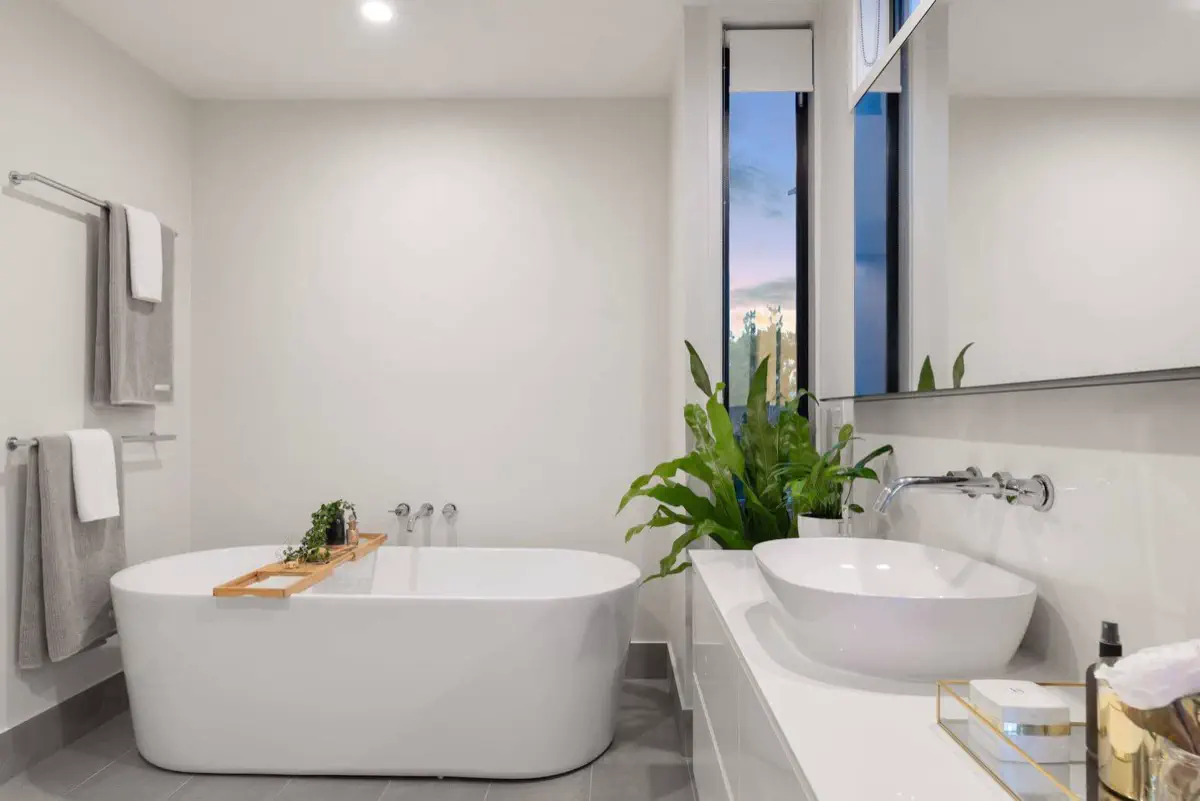
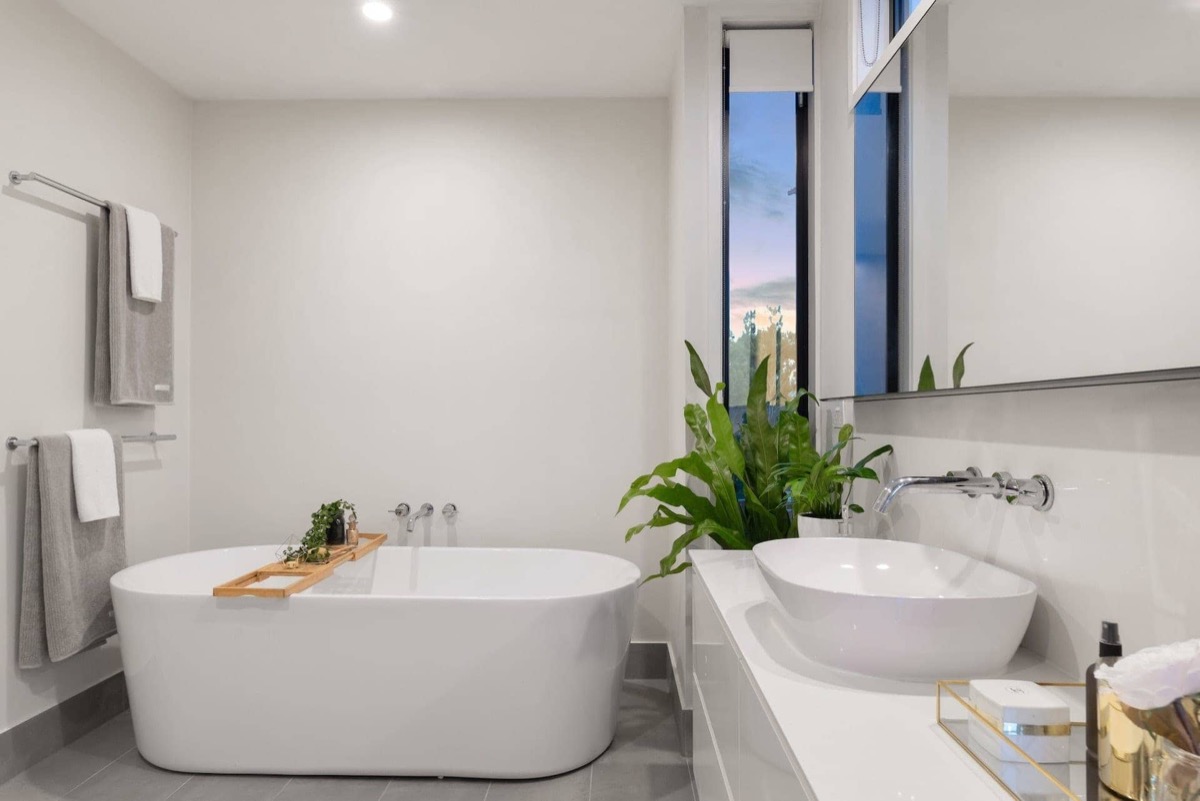
Small does not have to mean cramped. A compact bathroom that has been properly planned will always outperform a larger room where fixtures have been dropped in without consideration. Whether you are renovating a post-war terrace, updating a 1960s semi or fitting out a new-build apartment, the principles remain the same: maximise every centimetre, choose materials that create a sense of openness, and invest in quality fixtures that will stand up to years of daily use. This guide covers everything from layout strategies and storage solutions to tile choices, lighting and colour palettes, all tailored to the realities of British homes.
If you are considering a full renovation, our bathroom remodelling service covers every stage from initial design through to final snagging. For smaller projects that focus on replacing fixtures and fittings, our bathroom fitting service may be more suitable.
Layout Strategies That Create Space
Layout is the single most important decision in a small bathroom renovation. Get it right and everything else falls into place. Get it wrong and no amount of decorating will compensate.
Wall-hung fixtures are arguably the most effective tool for opening up a compact bathroom. A wall-hung toilet with a concealed cistern saves roughly 15 centimetres of floor depth compared to a close-coupled model, and the visible floor beneath it makes the room feel significantly larger. Pair it with a wall-mounted basin and the effect is dramatic. The eye reads continuous floor space as openness, which tricks the brain into perceiving more room than actually exists.
Corner installations deserve serious consideration in tight layouts. A corner basin tucks neatly into otherwise dead space beside a doorway. Corner shower enclosures, particularly quadrant designs with curved glass, use floor area far more efficiently than rectangular alternatives. Even corner-mounted toilets exist for truly challenging dimensions.
Pocket or sliding doors eliminate the arc of a swinging door, which in a small bathroom can consume a surprising amount of usable space. A standard internal door needs roughly 0.7 square metres of clearance to open. Reclaim that area and you may find room for a larger shower tray or a more generous vanity unit.
Think carefully about the position of the radiator too. A traditional panel radiator on the longest wall eats into valuable space. Swapping it for a slimline vertical radiator or, better still, underfloor heating frees wall space for storage or simply gives the room more breathing room.
Storage Solutions for Compact Bathrooms
Clutter is the enemy of a small bathroom. Two bottles of shampoo on the edge of the bath, a stack of towels balanced on the toilet cistern and a toothbrush mug perched on the windowsill can make even a well-designed room feel chaotic. The answer is built-in storage that anticipates daily needs without demanding additional floor space.
Recessed wall niches are one of the most elegant solutions. A tiled niche inside the shower area eliminates the need for a hanging caddy or suction-cup shelf, keeping bottles accessible while maintaining clean sight lines. These can be formed during the tiling stage at minimal extra cost.
Vanity units with integrated storage combine a basin with drawers or a cabinet below. A 600mm wall-hung vanity provides enough room for toiletries, cleaning products and a hair dryer while keeping the floor clear. Choose soft-close drawers with internal organisers to make the most of the depth.
Mirrored cabinets serve double duty. A recessed mirrored cabinet above the basin provides storage depth of 10 to 15 centimetres without protruding into the room, and the mirror itself reflects light and creates an illusion of greater space. Our guide to choosing an electrical bathroom mirror covers illuminated options that combine storage with built-in lighting and demisting.
Over-toilet shelving or a slim cabinet above a wall-hung WC uses vertical space that would otherwise go to waste. Ladder shelves leaning against the wall offer a more relaxed aesthetic while still providing three or four tiers of storage.
Tile Choices for Small Bathrooms
Tiles have an outsized impact on how spacious a small bathroom feels. The wrong choice can make a tight room feel even more enclosed, while the right selection opens things up considerably.
Large format tiles are generally the best option for compact spaces. A 600mm by 300mm tile, or even larger, means fewer grout lines, which creates a smoother, more continuous visual plane. Grout lines break up surfaces and draw the eye to the boundaries of the room, so reducing them helps the walls recede. Our article on bathroom tile trends explores the latest formats and finishes worth considering.
Light colours reflect more light than dark ones, which is particularly important in a room with limited or no natural light. Soft whites, warm greys, pale greens and subtle stone tones all work well. This does not mean the bathroom has to be bland. A feature wall behind the basin or inside a shower niche in a bolder pattern or deeper shade adds personality without closing the room in.
Vertical tile patterns draw the eye upward and make walls appear taller. Stacking rectangular tiles vertically rather than in the traditional horizontal brick bond is a simple way to add height. Herringbone patterns achieve a similar effect while introducing visual interest.
If tiles feel too cold or you are working to a tight budget, bathroom wall panels offer a grout-free alternative that is quick to install and available in a wide range of finishes including tile, marble and stone effects.
Lighting a Small Bathroom
Poor lighting makes any room feel smaller, and in a bathroom without a window the effect is magnified. Layered lighting is the professional approach: combining different types of light at different heights to create depth and warmth.
Ceiling downlights provide general illumination. Aim for IP65-rated LED downlights positioned to avoid casting shadows on the basin or shower. Three or four well-placed spots are usually sufficient for a small bathroom, and choosing a warm white colour temperature of around 3000K prevents the clinical feel that cooler lights can create.
Mirror or vanity lighting is essential for tasks like shaving or applying makeup. Side-mounted wall lights flanking the mirror give the most even, shadow-free illumination. An illuminated mirror with integrated LED strips is a space-efficient alternative that also adds a contemporary feel.
Accent lighting adds atmosphere. A strip of LED tape beneath a floating vanity unit or along the base of a bath panel creates a soft glow that makes the room feel larger after dark. Recessed floor-level lighting serves the same purpose while doubling as a gentle night light.
For bathrooms with no window at all, consider a backlit mirror panel as the centrepiece of your lighting scheme. The diffused glow mimics natural light and becomes a focal point that lifts the entire room.
Wet Rooms and Walk-In Showers
Removing a shower tray and enclosure is one of the most effective ways to open up a small bathroom. A wet room creates a single, seamless floor surface that visually expands the space. Without a raised tray edge or framed enclosure to interrupt the eye, the room reads as one continuous area rather than a collection of separate zones.
A fully tanked wet room requires professional waterproofing and a carefully graded floor to ensure proper drainage, but the result is a bathroom that feels substantially larger than its dimensions suggest. It also improves accessibility, which is worth considering if you are planning for the long term.
Where a full wet room is not practical, a walk-in shower with a frameless glass screen achieves much of the same effect. The glass allows sight lines to continue through the shower area, and the absence of a frame keeps the look minimal. Our comparison of wet rooms versus shower rooms explores the practical differences in more detail.
In either case, the floor tile should extend continuously from the dry area into the shower zone. Using the same tile throughout reinforces the sense of a single, unified space rather than a room divided into compartments.
Colour and Material Choices
Colour has a profound effect on perceived space. Light, neutral palettes reflect more light and make walls appear to recede. White remains a safe choice, but warmer alternatives like soft cream, pale sage or light greige feel more inviting without sacrificing brightness.
Glass is a powerful ally in a small bathroom. A frameless glass shower screen, glass shelving or even a glass basin allows light to pass through rather than being blocked by solid surfaces. Every transparent element helps maintain visual flow.
Mirrors amplify the effect. A large mirror above the basin, ideally stretching the full width of the vanity, reflects the opposite wall and effectively doubles the perceived depth of the room. Positioning a mirror to reflect a window or light source maximises its impact.
For countertops and shelving, slimline materials like engineered stone or solid surface composites provide durability without the visual bulk of thick natural stone. Glossy or semi-gloss finishes on cabinets reflect light better than matte surfaces, though matte finishes hide fingerprints more effectively in a family bathroom.
Consistency matters too. Using no more than two or three materials throughout the room creates a calm, cohesive look. Too many competing textures make a small space feel busy and cluttered, which is the opposite of what you want.
Small En-Suite Ideas
En-suites present a particular challenge because they tend to be even smaller than the main family bathroom, often occupying a converted cupboard, a section of the master bedroom or an awkward space under the eaves. Our en-suite fitting service handles these tricky configurations regularly.
The most effective small en-suite layouts prioritise a generous shower over a bath. A 900mm by 900mm shower tray fits comfortably in most en-suite spaces, or a linear drain with a wet room floor removes the tray entirely. Pair it with a compact wall-hung basin and a short-projection toilet and you have a fully functional three-piece en-suite in as little as 1.5 metres by 1.8 metres.
Where headroom varies, such as in a loft conversion, position the toilet or basin under the lowest point of the ceiling and place the shower where you can stand upright. Roof windows or sun tunnels bring natural light into loft en-suites and transform what might otherwise feel like a cave.
Pocket doors are almost essential in an en-suite. A door swinging inward can block access to the toilet or basin, and a door swinging outward into the bedroom is inconvenient. A sliding pocket door solves both problems.
For homeowners renovating on a budget, an en-suite does not need luxury fittings to feel special. Clean lines, good lighting and a cohesive colour scheme achieve more than expensive fixtures installed in a poorly planned layout.
Frequently Asked Questions
What is the best layout for a small bathroom?
Can you fit a wet room in a small bathroom?
Are large tiles better than small tiles in a compact bathroom?
How can I add storage to a small bathroom without making it feel cluttered?
What lighting works best in a small bathroom with no window?
How long does a small bathroom renovation take?
How much does it cost to renovate a small bathroom?
Past Projects


Get a Free Quote
Book a free, no-obligation site survey. Call us on +44 7428 653 653 or request a callback.
Book Free SurveyOur Clients' Reviews

5/5

5/5

5/5

5/5
Based on 453+ verified reviews across all platforms
Related Articles
Bathroom Tap Finishes: Chrome, Brass, Matt Black and Beyond
The Finish You Choose Outlasts Every Other Bathroom Decision Tiles can be re-grouted. Paint can be refreshed in a weekend. But the finish on your taps, shower valves and accessories is permanent for the life of the fitting.
view this article Read more
Top 10 Shower Mixers You Can Buy in the UK
Why Your Shower Mixer Matters The shower mixer is the heart of your shower system. A good one delivers stable temperature, consistent flow and reliable performance for years.
view this article Read more
Bathroom Renovation Mistakes and How to Avoid Them
Why Bathroom Renovations Go Wrong Most bathroom renovations that end badly were doomed before the first tile came off the wall.
view this article Read more
Electric Shower Not Working? Expert Troubleshooting Guide
Why Electric Showers Fail and What You Can Do About It Electric showers heat water on demand using a powerful element, drawing between 7.
view this article Read more
How Small Businesses Are Being Targeted by Fake Negative Reviews
What Fake Reviews Look Like Fake negative reviews usually follow a recognisable pattern. Some common red flags include: Vague or generic complaints – Reviews that lack specific details about the service, product, or experience.
view this article Read more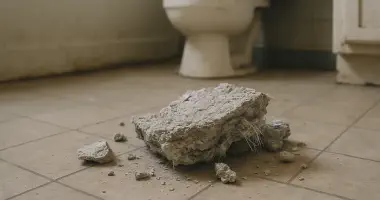
Asbestos in Bathrooms and Kitchens: Risks, Safety and UK Law
What Is Asbestos? Asbestos refers to a group of six naturally occurring silicate minerals made up of fine, durable fibres. Because of its strength and fire resistance, it was commonly used in insulation materials, roofing and flooring products, cement compounds, automotive parts and fireproof textiles.
view this article Read more
Hiring Bathroom Fitters in Manchester: Costs, Process and Advice
What Manchester Homeowners Need to Know Before Hiring Renovating a bathroom is one of the most rewarding home improvements you can make, and one of the easiest to get wrong if you hire the wrong people.
view this article Read more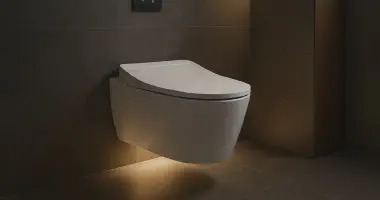
The Best Toilet Brands for Your Home: A UK Buyer's Guide
Choosing a Toilet Brand: What Actually Matters Selecting a toilet brand might seem less important than choosing a specific model, but the manufacturer behind your toilet determines the quality of the ceramic, the reliability of the flush mechanism, the availability of spare parts years down the line, and the level of after-sales support when something eventually needs attention.
view this article Read more
Bathroom Remodelling Ideas for Greater Manchester Homeowners
Remodelling Ideas That Work for Manchester Homes Greater Manchester homes come with character. Victorian terraces in Didsbury, semi-detached houses in Prestwich, post-war estates in Salford, new builds in Trafford.
view this article Read more
How to Replace a Shower with a Bath
Replacing a shower with a bath is an excellent way to enhance both the functionality and comfort of your bathroom, especially if you’re accommodating a growing family.
view this article Read more
How to Find the Best Bathroom Fitters Near You
Finding a Bathroom Fitter You Can Trust Searching for “bathroom fitters near me” returns dozens of results, but a Google listing tells you almost nothing about whether a contractor will deliver quality work on time, stay within budget, and stand behind their installation for years to come.
view this article Read more
Bathroom Tile Trends in 2026
What Is Shaping Bathroom Tile Design in 2026 The bathroom has long since outgrown its reputation as a purely functional room.
view this article Read more