
Bathroom Renovation Mistakes and How to Avoid Them
The most common bathroom renovation mistakes UK homeowners make and how to avoid them. Expert advice from professional bathroom fitters in Manchester.
Why Bathroom Renovations Go Wrong
Most bathroom renovations that end badly were doomed before the first tile came off the wall. The problems trace back to the planning stage, or more precisely, to planning that never happened. Budgets set without research. Drainage routes that nobody checked. Waterproofing skipped entirely. Materials picked because they looked good in a showroom, with no thought about how they handle a room full of steam.

We carry out bathroom renovations across Greater Manchester and a large share of our work involves putting right problems left behind by previous installers or ambitious DIY attempts. The mistakes follow predictable patterns. This guide covers the ones that cost the most and cause the most frustration, with practical advice on how to avoid each one.
Skipping the Planning Phase
Jumping straight into demolition without a detailed plan is the single most expensive mistake a homeowner can make. Every decision made on the fly costs more than one made beforehand. You move a radiator because it clashes with the new vanity unit. You reroute waste pipes because the shower tray does not fit where you assumed it would. You discover the new bath is 50mm too wide for the alcove after delivery, and the supplier will not take it back.
A proper renovation plan covers a measured floor plan, confirmed positions for every fixture, a plumbing and drainage check, an electrical plan for lighting and extraction, a full materials list, and a realistic timeline. Our guide on what you need to know about your bathroom renovation walks through the planning process step by step.
Underestimating the Budget
Setting a budget based on what you hope it will cost rather than what it actually costs leads to trouble. The bathroom industry runs on aspirational imagery. The gap between a Pinterest mood board and a finished room is filled with labour, materials, waste removal, plumbing changes, and finishing details that add up fast.
A realistic budget accounts for every element: fixtures, fittings, tiles, adhesive, grout, silicone, waterproofing membrane, plumbing materials, electrical work, skip hire, and a contingency of at least 15 percent. Older properties in Manchester almost always throw up surprises once the old bathroom comes out. Rotten joists. Corroded pipework. Asbestos artex. Crumbling plaster. These finds are not rare. They are routine. Our bathroom renovation cost guide breaks down typical costs so you can build a budget grounded in reality, and our bathroom renovation cost calculator can help you estimate your specific project.
Neglecting Waterproofing
This mistake causes the most expensive damage, and we see it more than any other on remedial jobs. Water is relentless. It finds every gap, every unsealed joint, every missing membrane. Tiles and grout alone will not keep moisture out of the wall. Grout is porous. Silicone breaks down over time. Without a continuous waterproof membrane behind the tiled surface, moisture creeps into the substrate and causes damage you cannot see until a damp patch appears on the ceiling below.
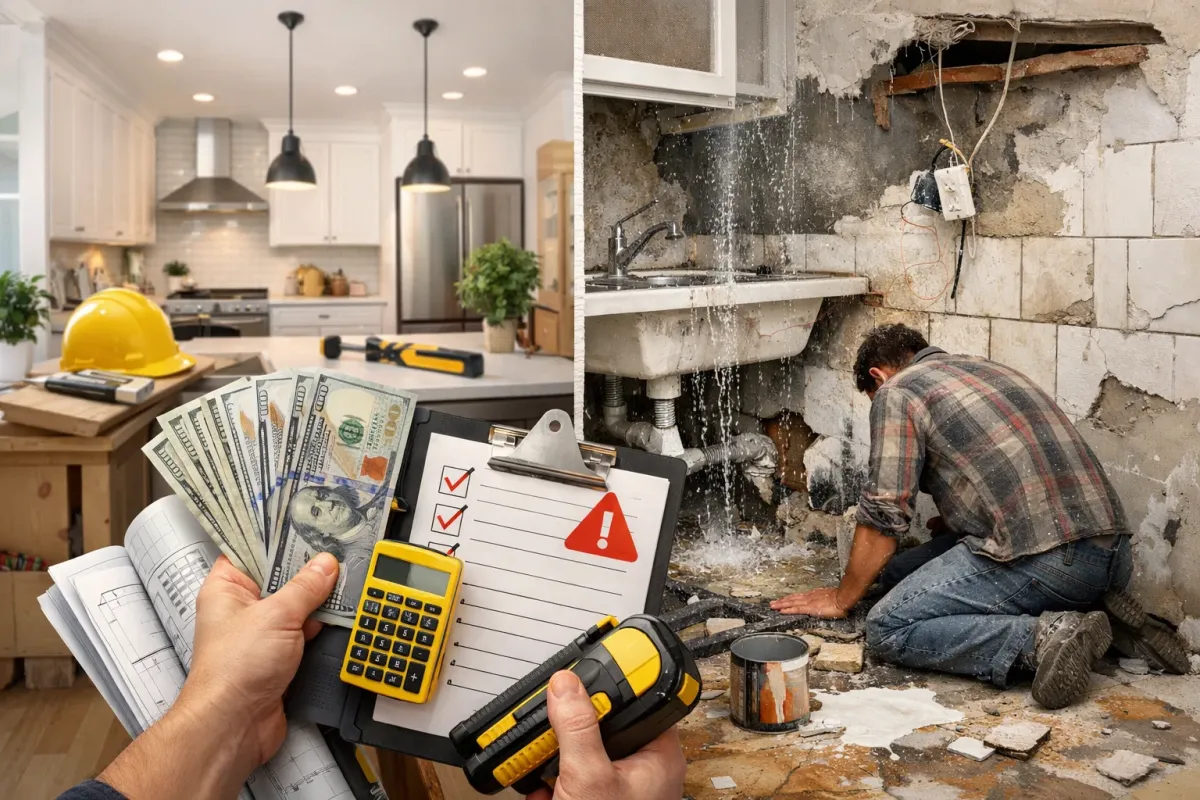
Professional bathroom fitting includes tanking the entire shower zone with a liquid-applied or sheet membrane before any tiles go on. Every corner, pipe opening, and tray junction gets extra reinforcement. Using cement boards instead of standard plasterboard adds another layer of moisture protection. Standard plasterboard in a shower zone will fail. It is only a matter of when. For a deeper look at what goes wrong in shower areas specifically, see our guide to shower renovation challenges.
Poor Ventilation
A shower pumps warm, moisture-laden air into a small space. Without mechanical extraction, that moisture settles on every cold surface. Within months, mould takes hold in grout lines, silicone sealant turns black, and ceiling paint starts to blister. Left unchecked, persistent condensation causes damp problems in the surrounding structure that need serious remedial work.
Building Regulations require mechanical ventilation in bathrooms without an openable window, but even rooms with windows benefit from an extractor fan. The fan should match the room size (typically 15 litres per second for a bathroom), run on a timer that keeps going for at least 15 minutes after the light goes off, and duct to the outside of the building. Venting a fan into the loft space is a shortcut we see far too often. It simply moves the moisture problem from the bathroom to the roof structure. Adding underfloor heating helps surfaces dry faster and reduces condensation, though it is not a substitute for proper extraction.
Choosing the Wrong Materials
Bathrooms are harsh places. High humidity, temperature swings, standing water, cleaning chemicals. Materials that work well in a bedroom or living room can fail fast in a bathroom. Standard MDF swells and falls apart when it gets wet. Non-waterproof paint peels within a year. Unsealed natural stone stains for good. Highly polished porcelain on a shower floor turns dangerously slippery when wet.
Every material choice in a bathroom should put moisture resistance first, not appearance. That means porcelain and ceramic tiles rated for wet areas, moisture-resistant MDF or solid timber for furniture, mould-resistant grout and silicone, and slip-rated tiles for floors. Our guide to bathroom tile types covers how different tiles perform in practice, and our panels vs tiles comparison explains an alternative approach that avoids grout lines entirely.
Ignoring the Drainage Route
Shower trays, baths, basins, and toilets all need waste pipes that fall at the right gradient to drain properly. Too little fall, long horizontal runs, tight bends, and connections into an overloaded soil stack all cause drainage problems. A shower that drains slowly is more than a nuisance. Standing water around your feet every morning means someone did not plan the pipework.
Check the waste pipe route before ordering any fixtures, not on installation day when it is too late to change. On upper floors, routing waste through the floor void to reach the soil stack can mean cutting joists, and that needs a professional structural check. Low-profile shower trays look elegant but often have shallow wastes that block easily. Many homeowners only find this out after the tray is fitted and tiled in. For more on this topic, see our article on shower renovation challenges where we cover drainage problems in detail.
Doing Everything Yourself
There is nothing wrong with painting walls, fitting accessories, or tiling a simple splashback yourself. But a full bathroom renovation involves plumbing, waterproofing, electrical work, and structural checks that need professional skills. In some cases, the law requires it. Electrical work in bathrooms must comply with Part P of the Building Regulations and typically needs sign-off by a qualified electrician. Gas work must be carried out by a Gas Safe registered engineer.
The false economy of DIY shows itself when a self-installed shower starts leaking through the ceiling six months later. Stripping everything out, drying the structure, repairing the water damage, and reinstalling properly almost always costs more than hiring a professional from the start. Our article on how long a bathroom renovation takes gives a realistic picture of what each stage involves and why shortcuts backfire.
Hiring the Wrong Contractor
Not all bathroom fitters deliver the same quality of work, and the cheapest quote is rarely the best value. Watch out for contractors who refuse to put a quote in writing, who demand large upfront payments, who cannot show you finished projects, or who dodge questions about waterproofing and substrate preparation.
A good contractor gives you a detailed written quote that splits out labour and materials. They carry the right insurance, can show a track record, and will happily explain their process. Ask them directly about waterproofing, how they prepare walls and floors, and what happens when they hit unexpected problems. The answers tell you a great deal about the standard of work you will get. Our guide to finding the right bathroom fitters covers what to look for, and our comprehensive bathroom renovation guide explains the full process so you know the right questions to ask.
Forgetting About Storage
Storage gets treated as an afterthought in far too many bathroom designs. The room looks pristine in the architect’s render because there are no bottles, towels, toiletries, cleaning products, or toilet rolls in sight. Real bathrooms need storage. Adding it after the renovation is done usually means ripping into the finished design.
Plan built-in niches in shower walls, vanity units with internal storage, mirrored cabinets, and recessed shelving before the walls are boarded and tiled. Adding a niche to a tiled wall after the fact means stripping tiles, cutting into the substrate, waterproofing the new opening, and retiling around it. That single change can cost hundreds of pounds for what would have been a simple addition during the original build.
Rushing the Timeline
Bathroom renovations take longer than most homeowners expect. Trying to squeeze the timeline creates problems at every stage. Waterproofing membranes need curing time. Tile adhesive needs to set before grouting. Silicone needs 24 hours before the shower is used. Cut any of these cure times and you invite failures that take far longer to fix than the time you saved.
A straightforward bathroom renovation typically takes five to eight working days. A complex project with structural changes, underfloor heating, or bespoke joinery can take two to three weeks. Accept this from the outset. Plan alternative washing arrangements. That approach is far less stressful than pressuring your contractor to rush and dealing with the consequences. If you are weighing up a standard shower enclosure against a full wet room, factor in the extra time a wet room floor needs for the gradient work and waterproofing.
Getting Your Renovation Right
Every mistake on this list shares a common thread: it could have been prevented with better planning, better materials, or better tradespeople. The cheapest bathroom renovation is the one you only do once. Invest the time upfront to plan properly, choose materials rated for wet environments, check drainage routes before committing to a layout, and hire a contractor who can explain exactly how they will waterproof your bathroom.
If you are planning a bathroom renovation in Greater Manchester and want to avoid these problems, our team offers free, no-obligation site surveys. We will assess your existing bathroom, talk through your options, and give you a clear picture of what the project involves before any work starts.
Frequently Asked Questions
What is the most expensive bathroom renovation mistake?
How much contingency should I add to my bathroom renovation budget?
Can I save money by doing some of the bathroom renovation myself?
How do I know if my bathroom contractor is reliable?
What materials should I avoid in a bathroom?
Do I need Building Regulations approval for a bathroom renovation?
Past Projects


Get a Free Quote
Book a free, no-obligation site survey. Call us on 07428 653 653 or request a callback.
Book Free SurveyOur Clients' Reviews

5/5

5/5

5/5

5/5

5/5
Based on 453+ verified reviews across all platforms
Related Articles

Bathroom Tap Finishes: Chrome, Brass, Matt Black and Beyond
The Finish You Choose Outlasts Every Other Bathroom Decision Tiles can be re-grouted. Paint can be refreshed in a weekend. But the finish on your taps, shower valves and accessories is permanent for the life of the fitting. Choose a finish that scratches, tarnishes or shows every water spot, and you will notice it every time you wash your hands for the next decade.
view this article Read more
Top 10 Shower Mixers You Can Buy in the UK
Why Your Shower Mixer Matters The shower mixer is the heart of your shower system. A good one delivers stable temperature, consistent flow and reliable performance for years. A poor one fluctuates when someone runs a tap elsewhere in the house, dribbles at low pressure, or seizes up from limescale within a couple of years. The difference between a satisfying daily shower and a frustrating one often comes down to this single component.
view this article Read more
Electric Shower Not Working? Expert Troubleshooting Guide
Why Electric Showers Fail and What You Can Do About It
view this article Read more
How Small Businesses Are Being Targeted by Fake Negative Reviews
What Fake Reviews Look Like Fake negative reviews usually follow a recognisable pattern. Some common red flags include: Vague or generic complaints - Reviews that lack specific details about the service, product, or experience. No record of interaction - Businesses often cannot find any record of the reviewer being a customer. Repetitive wording - Multiple reviews using nearly identical phrasing, suggesting coordinated posting. Anonymous or newly created accounts - Reviewers with no history or with suspiciously similar profiles. Exaggerated negativity - Reviews that use overly dramatic language without providing factual information. Unrelated complaints - Sometimes a review will describe services or products the company does not even provide, making it clear the feedback was copied and pasted without relevance. No proof of purchase or invoice details - Genuine reviews often reference an invoice number, order ID, or project details, while fake ones lack any verifiable transaction information. Lack of supporting evidence - Fake reviewers rarely attach photos of completed work, receipts, or documents that back up their claims. Hidden or non-existent reviewer history - Profiles posting fake reviews often have no visible activity, or their entire history is hidden from the public. Suspicious formatting - Many fake reviews begin or end with quotation marks, a telltale sign they may have been copied from AI text generators or template-driven scripts. Unnatural posting frequency - One of the clearest signs of automated activity is the timing. Fake reviews are often placed in rigid intervals - every 30 minutes, every hour, or at the same time each day - a pattern that strongly suggests the use of bots and algorithms for automatic posting. For example, a long-standing client-focused company like Builders Squad Ltd may suddenly receive several one-star reviews from individuals who never used their services. These reviews often appear in clusters, pointing to organised campaigns rather than genuine customer dissatisfaction.
view this article Read more

Hiring Bathroom Fitters in Manchester: Costs, Process and Advice
What Manchester Homeowners Need to Know Before Hiring
view this article Read more
The Best Toilet Brands for Your Home: A UK Buyer's Guide
Choosing a Toilet Brand: What Actually Matters Selecting a toilet brand might seem less important than choosing a specific model, but the manufacturer behind your toilet determines the quality of the ceramic, the reliability of the flush mechanism, the availability of spare parts years down the line, and the level of after-sales support when something eventually needs attention. A cheap toilet from an unknown brand might look similar on day one, but the differences become apparent over months and years of daily use.
view this article Read more
Bathroom Remodelling Ideas for Greater Manchester Homeowners
Remodelling Ideas That Work for Manchester Homes Greater Manchester homes come with character. Victorian terraces in Didsbury, semi-detached houses in Prestwich, post-war estates in Salford, new builds in Trafford. Each type brings its own quirks to a bathroom renovation, from awkward plumbing routes in older properties to compact en-suites in modern developments. The ideas in this guide are drawn from projects we have completed across the region and reflect what actually works in the kinds of bathrooms Manchester homeowners live with every day.
view this article Read more
How to Replace a Shower with a Bath
Replacing a shower with a bath is an excellent way to enhance both the functionality and comfort of your bathroom, especially if you’re accommodating a growing family. This project walkthrough covers the entire process from strip-out to finished result, and applies equally to a full bathroom remodelling or a more targeted upgrade.
view this article Read more
How to Find the Best Bathroom Fitters Near You
Finding a Bathroom Fitter You Can Trust
view this article Read more
Small Bathroom Ideas for British Homes
Making the Most of a Small British Bathroom The average bathroom in a British home measures roughly 2.2 metres by 1.7 metres. That is not a lot of space. Yet within those modest dimensions, thousands of homeowners across the UK manage to create bathrooms that feel luxurious, function beautifully and serve families of four or more without a daily battle for elbow room. The secret is not magic. It is thoughtful design, clever product choices and a willingness to rethink what a bathroom can be.
view this article Read more
Bathroom Tile Trends in 2026
What Is Shaping Bathroom Tile Design in 2026 The bathroom has long since outgrown its reputation as a purely functional room. In 2026, tile choices are being driven by a collision of influences: the growing appetite for biophilic interiors, a maturing commitment to sustainable manufacturing, and a boldness with colour that would have felt unthinkable a decade ago. Homeowners across Manchester and the wider UK are treating their bathrooms as spaces that deserve the same design ambition as a living room or kitchen, and the tiles going on those walls and floors reflect that shift in thinking.
view this article Read more